2026 Best Geotech Fabric Options for Sustainable Construction Solutions?
In the quest for sustainable construction solutions, Geotech Fabric emerges as a vital player. Recent developments highlight its critical role in reducing environmental impact. Dr. Emily Carter, a leading expert in geotechnical engineering, states, "Geotech Fabric is revolutionizing the way we approach sustainable building practices."
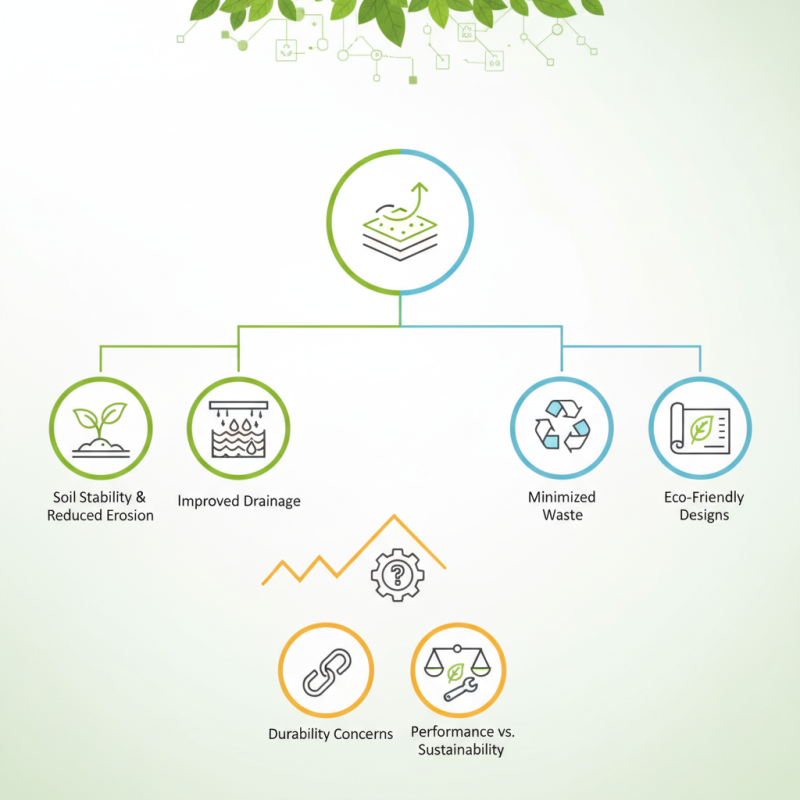
This innovative material is designed to enhance soil stability and reduce erosion. Construction projects using Geotech Fabric often see improved drainage and minimized waste. However, there are challenges. Not all Geotech Fabrics are created equal. Some options may not be durable enough for harsh conditions, raising concerns about their long-term viability.
Despite these concerns, the potential benefits of Geotech Fabric are immense. They offer architects and engineers a path toward eco-friendly designs. The industry must keep evaluating these products critically. Finding the best options involves balancing performance and sustainability. The future of construction can be greener, but it requires careful selection and implementation of Geotech Fabric.
Overview of Geotechnical Fabrics in Sustainable Construction
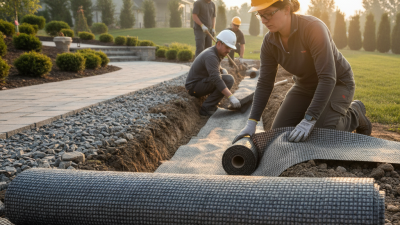
Geotechnical fabrics play a crucial role in sustainable construction. These materials enhance soil stability and prevent erosion, offering solutions that align with eco-friendly practices. They are often made from recycled materials. This aspect adds to their sustainability. When used properly, they can prolong the life of structures, reducing the need for constant repairs.
Choosing the right geotech fabric is essential. Proper selection depends on project specifics. Factors like soil type and climate conditions must be considered. Overlooking these can lead to unexpected failures. It’s vital to consult with experts when in doubt. Their insights can save time and resources later.
Tips: Always evaluate the local environment before selecting materials. Take the time to analyze soil conditions thoroughly. Consider engaging with local suppliers for insights. They may offer practical solutions. Proper installation is equally important. Even the best fabric will falter if not installed correctly.
2026 Best Geotech Fabric Options for Sustainable Construction
Key Characteristics of Sustainable Geotech Fabrics
When considering sustainable construction solutions,
geotech fabrics play a vital role. These materials are engineered for durability and environmental harmony. They often feature recycled content and can be biodegradable, reducing landfill impact. Industry reports indicate that around 30% of construction waste can be managed more effectively using these fabrics.
Tips: Always evaluate the lifecycle of materials. Some geotech fabrics last longer, ultimately saving resources.
Key characteristics include permeability and tensile strength. Permeable fabrics allow water flow, preventing erosion and promoting healthy drainage. High tensile strength ensures they withstand heavy loads, essential for construction and landscaping. Research shows that using high-quality geotech fabrics can lower material costs by up to 20%.
Tips: Look for certifications when choosing materials. They often reflect environmental impact.
Sustainability should guide material selection. Many fabrics are not fully biodegradable and have limitations. It's essential to choose wisely and ensure that eco-friendly options truly align with project goals. The path to sustainability in construction is continuous. Every choice matters.
Top Materials for Geotech Fabrics in 2026
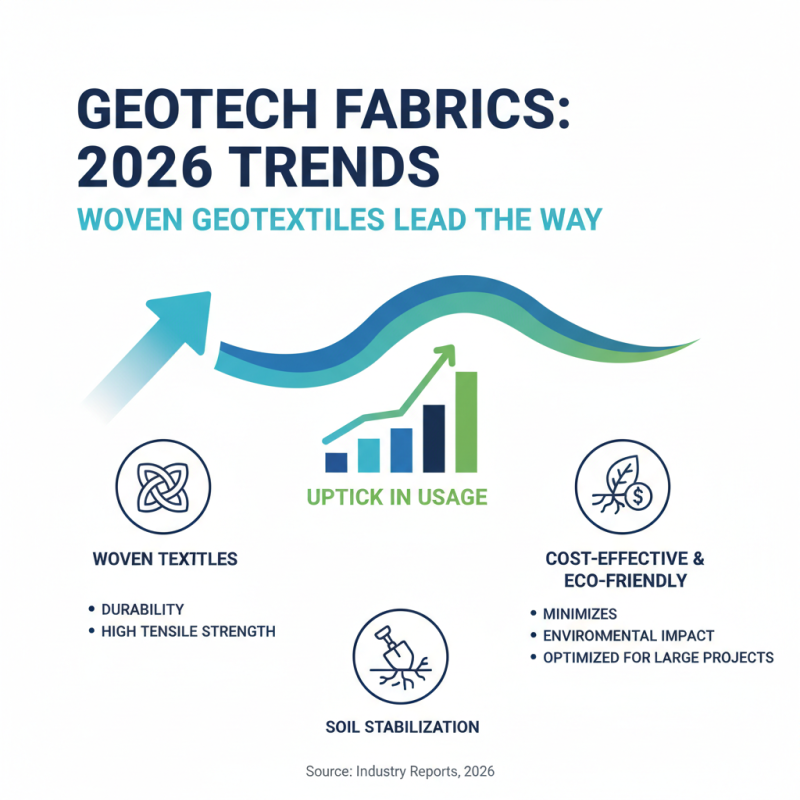
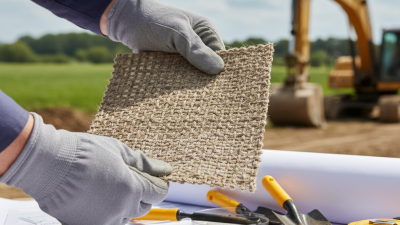
The landscape of geotech fabrics is evolving rapidly. In 2026, there are several notable materials shaping the industry. One of the top contenders is woven geotextiles, celebrated for their durability and high tensile strength. Reports indicate a significant uptick in their usage, particularly in soil stabilization projects. This is because they offer cost-effective solutions while minimizing environmental impact.
Non-woven geotextiles are also gaining traction. They are highly permeable and flexible, making them ideal for filtration and drainage applications. Recent studies show that non-woven fabrics can reduce sediment erosion by up to 70%. This is vital as construction projects demand sustainable practices and adherence to environmental regulations.
However, challenges remain. The sourcing of raw materials still raises questions about sustainability. Not all geotech fabrics can be recycled easily. Additionally, the lifecycle of these products needs scrutiny. There’s room for improvement in how materials are produced and disposed of within the industry. Emphasizing responsible sourcing and innovative recycling methods will be crucial moving forward.
Environmental Impact of Geotech Fabric Usage
Geotechnical fabrics play a vital role in sustainable construction. Their environmental impact, however, deserves close scrutiny. Using synthetic materials often raises concerns. These fabrics can contribute to microplastic pollution. When improperly disposed of, they may persist in ecosystems for decades. Developers must prioritize responsible usage.
Tips: Choose biodegradable alternatives whenever possible. Look for fabrics made from recycled materials.
Moreover, the production process of geotech fabrics can be energy-intensive. This leads to carbon emissions during manufacturing. It's important for industry players to adopt sustainable practices. Transparent supply chains are key to reducing overall impact. Awareness of the lifecycle of materials is necessary.
Tips: Factor in the entire lifecycle of geotech fabrics while planning. Assess their end-of-life options actively. Make informed decisions based on comprehensive evaluations.
Sustainable construction should also consider local ecosystems. Assessing land impact is crucial. Geotech fabrics might alter water flow patterns. This can lead to unintended consequences. Strive to find balance in construction practices. The aim should be to protect natural habitats.
Applications and Benefits of Geotech Fabrics in Construction
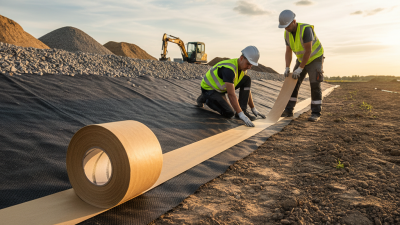
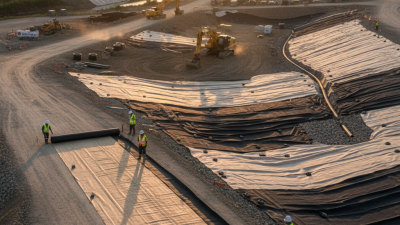
Geotechnical fabrics are gaining traction in sustainable construction. These materials support soil stabilization and erosion control. Their applications range from roadways to landscaping. They act as barriers, preventing soil loss while promoting drainage. Using these fabrics can improve site longevity and reduce the need for heavy machinery.
In construction, the benefits are clear. They enhance water flow and manage groundwater efficiently. These fabrics can also improve the structural integrity of earthworks. Yet, there are challenges. Selection of appropriate materials is crucial. Not all fabrics are created equal. A mismatch can lead to project delays and unexpected costs.
Moreover, while geotech fabrics are eco-friendly, their production still has a carbon footprint. It’s essential to consider sourcing and lifecycle impacts. Reflecting on these factors leads to more informed choices in material selection. Attention to detail can optimize the sustainability of construction projects. Making small adjustments in fabric types may yield significant long-term benefits.