2026 Best Geotex Membrane Types for Sustainable Construction Solutions?
In the context of sustainable construction, Geotex Membrane technology plays a critical role. The market for geotextiles is projected to reach USD 6.85 billion by 2026. This growth reflects increasing awareness about eco-friendly building materials. Geotex Membranes offer solutions for water management and soil stabilization, which are essential for sustainable practices.
Geotex Membranes are recognized for their versatility and durability. They can improve soil structure and reduce erosion, contributing to environmental conservation. According to a recent report by the International Geosynthetics Society, these membranes can reduce construction waste by up to 30%. Yet, challenges remain in material selection and lifecycle assessment.
While Geotex Membranes provide many benefits, not all products are created equal. Some may underperform or lack the necessary certifications. This inconsistency emphasizes the need for careful evaluation by industry professionals. Selecting the right type of membrane is crucial for achieving desired sustainability outcomes. As the industry evolves, embracing newer findings and technologies will be essential for effective application.
Definition and Importance of Geotex Membranes in Sustainability
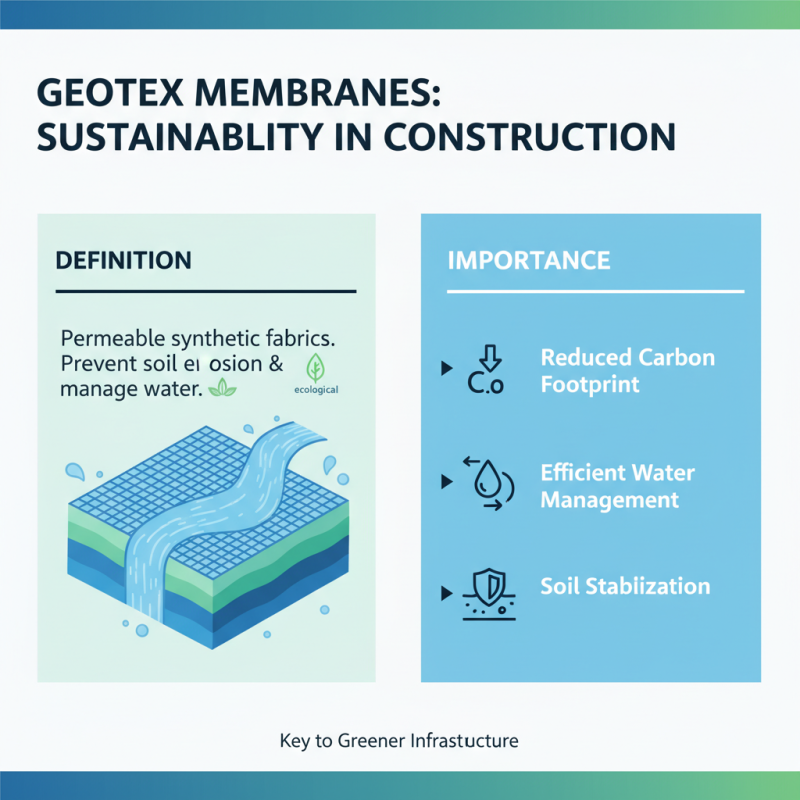
Geotex membranes have emerged as vital components in sustainable construction. These materials serve both functional and ecological purposes. In essence, they prevent soil erosion and manage water flow efficiently. Their use can significantly reduce the carbon footprint of construction projects.
In sustainability, the importance of geotex membranes cannot be overstated. They help retain soil moisture, decreasing irrigation needs. This becomes crucial in regions facing water scarcity. Additionally, these membranes improve the strength and stability of soil. However, attention must be paid to how they are produced. The production process should align with eco-friendly practices to maintain their sustainability credentials.
Tips: Consider local regulations while choosing a membrane type. Not all regions have the same requirements. Evaluate the specific environmental conditions of your site. A membrane that works perfectly in one climate may not be suitable in another. Lastly, consult with experts in the field to guide your selection. They can offer insights that may not be immediately obvious. Regular assessments of installed membranes can also reveal areas for improvement.
Types of Geotex Membranes Used in Modern Construction
Geotextile membranes play a crucial role in modern construction. They serve a variety of purposes, including filtration, separation, and drainage. These materials are essential for maintaining soil integrity and managing water flow in construction projects. Designers often select membranes based on their specific needs.
There are several types of geotextile membranes. Nonwoven membranes offer excellent filtration and drainage properties, making them suitable for projects involving soil stabilization. On the other hand, woven geotextiles are known for their strength and durability. They can provide reinforcement in certain applications. The choice often depends on the project’s requirements and environmental considerations.
However, the industry isn't without its challenges. Not all membranes are biodegradable or recyclable. This raises concerns about long-term sustainability. There may be a need for alternative materials that impact the environment less. As construction demands grow, finding innovative solutions remains a critical issue. Sustainability should guide material choices in modern construction.
Advantages of Using Geotex Membranes for Environmental Protection
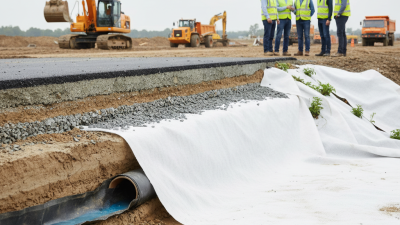
Geotex membranes are becoming crucial in sustainable construction. Their role in environmental protection is significant. These membranes enhance soil stability. They reduce erosion and improve drainage, which benefits local ecosystems. With proper installation, Geotex membranes can prevent contaminants from reaching groundwater sources.
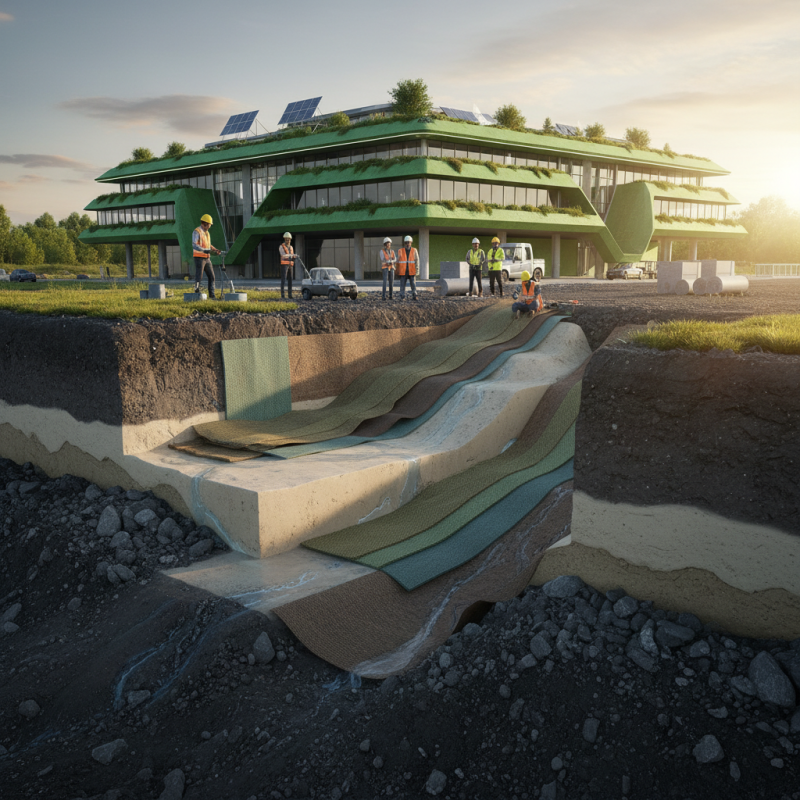
Using these membranes can also help manage stormwater. They allow for effective water filtration, mitigating runoff issues. In urban areas, they can be integrated into green roofs and permeable pavements. These applications contribute to biodiversity and support urban wildlife. However, not all installations are perfect. Improper application may lead to failure, which can negate their benefits.
While Geotex membranes offer great advantages, they require careful consideration. Project needs should dictate the choice of materials. It is essential to evaluate environmental impacts continuously. In some cases, the long-term sustainability of materials used should be questioned. This reflection can lead to better practices in construction.
2026 Best Geotex Membrane Types for Sustainable Construction Solutions
| Geotex Membrane Type |
Material Composition |
Environmental Benefits |
Durability |
Applications |
| Non-Woven Geotextiles |
Polypropylene or Polyester |
Erosion control, water filtration |
High resistance to environmental factors |
Landfills, road construction |
| Woven Geotextiles |
Polypropylene or Polyester |
Soil stabilization, drainage |
Excellent tensile strength |
Reinforcement of surfaces, road construction |
| Geocomposites |
Combination of geotextiles and drainage products |
Lower environmental impact |
Highly durable and efficient |
Landfill liners, drainage systems |
| Geosynthetic Clay Liners |
Sodium bentonite clay between geotextiles |
Leachate control, moisture retention |
Long-lasting and effective |
Environmental liners, containment systems |
Innovative Applications of Geotex Membranes in Sustainable Design
Geotex membranes have emerged as a pivotal component in sustainable design. These innovative materials offer several applications that significantly enhance construction practices. For instance, they are widely used in soil stabilization and erosion control. By preventing soil erosion, they contribute to maintaining landscapes and biodiversity.
In urban environments, geotex membranes support water management systems. They help in controlling runoff and improving drainage efficiency. This reduces water pollution and promotes groundwater recharge. Additionally, their lightweight and durable nature makes them ideal for green roofs. They provide vital support for vegetation while maintaining structural integrity.
Despite their benefits, some challenges exist. The manufacturing process can produce waste, and the long-term durability must be assessed. A critical examination of lifecycle impacts is essential before implementation. Designers and engineers must strive for more sustainable solutions, ensuring geotex membranes contribute positively to the environment.
Future Trends in Geotex Membrane Technology for Construction Solutions
Geotex membranes are vital in sustainable construction. Their role in drainage, filtration, and stabilization is well recognized. In recent years, advancements in technology have improved their effectiveness. A report by Global Market Insights suggests the geotextile market could reach $22 billion by 2026. This shows growing interest in environmentally friendly materials.
Emerging trends indicate a shift towards bio-based and recycled materials. These innovations align with global sustainability goals. According to Frost & Sullivan, 30% of construction companies now prioritize eco-friendly products. However, challenges remain. The durability of some bio-based options is still under scrutiny. Structural performance needs to be balanced with sustainability.
Investments in research are crucial. As demands evolve, R&D can close gaps in technology. New methods for integrating geotex membranes into existing systems are necessary. Industry leaders must address potential shortcomings. Continuous improvement can enhance reliability while meeting environmental standards.