Top 10 Benefits of Baselok Geocell for Your Construction Projects?
Baselok Geocell has transformed the construction industry. This innovative product offers numerous advantages that enhance project efficiency. One significant benefit is its lightweight nature, making it easy to transport and install.
Incorporating Baselok Geocell into construction projects reduces soil erosion effectively. It provides excellent support for roadways and retaining walls. This product is also cost-effective, as it minimizes the need for traditional materials.
Despite these benefits, there can be challenges in installation. Proper training may be required for workers. Additionally, some may overlook the initial setup complexities. However, the overall advantages of Baselok Geocell often outweigh these drawbacks. Embracing this technology may lead to improved outcomes in future construction endeavors.
Advantages of Baselok Geocell in Enhancing Soil Stability
Baselok Geocell is revolutionizing construction, especially in soil stability. This innovative solution is crucial for projects needing a solid foundation. Studies show geocells can increase load-bearing capacity by up to 300%. This makes them ideal for road construction, retaining walls, and more.
Enhanced soil stability is a primary benefit. The geocell structure confines soil, preventing lateral movement. This design improves resistance to erosion during heavy rains. In fact, projects using geocells have reported over a 50% reduction in soil displacement. This data suggests that geocells provide reliable performance under challenging conditions.
Tip: Always consider soil type before installation. Different soils react differently to confinement. Some may require additional reinforcement. Additionally, regular site assessments can identify potential risks early, allowing for timely interventions. Invest in geocell technology, but remain cautious about specific project needs.
Cost-Effectiveness of Baselok Geocell for Construction Projects
The cost-effectiveness of using geocell technology in construction projects is noteworthy. Various studies indicate that geocell applications can reduce project costs by up to 50%. This is primarily due to the decrease in materials and labor needed. For instance, fewer earthworks are required when using geocells for soil stabilization. Furthermore, they can help minimize the amount of aggregate needed for base layers.
In a study published by the Geosynthetic Institute, the use of geocells demonstrated significant durability. Projects utilizing this technology showed enhanced load-bearing capacity, often leading to fewer repairs. This durability translates into long-term savings as well. Delaying repairs can be a double-edged sword; while initial costs decrease, deferred maintenance may eventually lead to larger issues.
Moreover, geocells are lightweight and easy to install. Their quick installation time can allow for reduced construction timelines. Yet, the reliance on skilled labor can sometimes be a hurdle. Ensuring that workers are adequately trained to use this technology is vital for achieving the projected savings. Cost-watchers should gauge the balance between immediate savings and training expenses.
Top 10 Benefits of Baselok Geocell for Your Construction Projects
This chart represents the benefits of using Baselok Geocell in construction projects. The percentages indicate the level of advantage each benefit provides, showcasing its effectiveness in various aspects of construction. Key areas such as cost savings and ease of installation stand out, making Baselok Geocell a valuable option for any project.
Improvement in Drainage and Erosion Control with Geocell
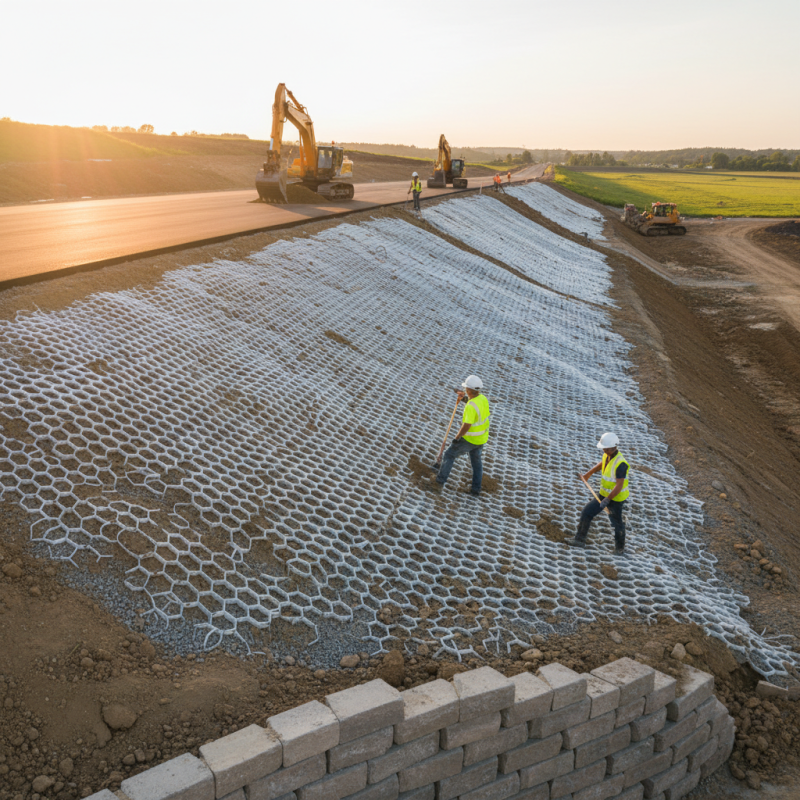
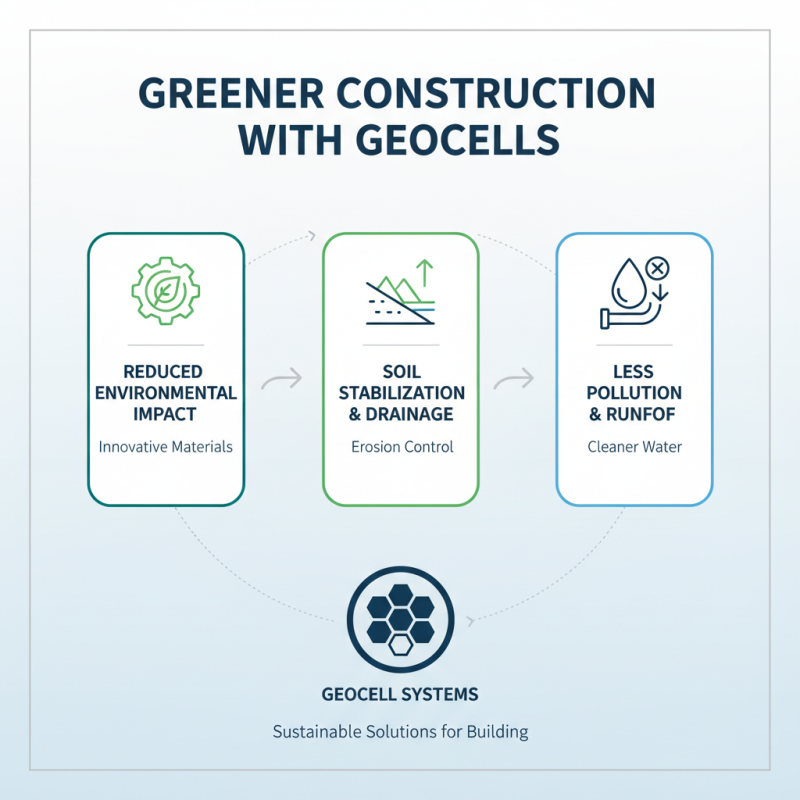
Geocell technology is a game-changer in construction. It offers significant improvements in drainage and erosion control. The cellular structure holds soil in place, preventing it from washing away during heavy rains. This ability minimizes sediment runoff and protects local water bodies from contamination. With better drainage, the foundation of structures remains stable, reducing maintenance costs in the long run.
When integrating geocells, consider site-specific conditions. Install them on slopes, where water often accumulates. Use geocells in landscaping for added stability. They help maintain soil structure, even when faced with heavy rain. Ensure proper installation to maximize the benefits of erosion control.
Sometimes, geocell solutions can appear complex. A misunderstanding can lead to installation mistakes, diminishing their effectiveness. Always consult with civil engineers familiar with local soil characteristics. Regular inspection of installed geocells is crucial. Small issues can lead to significant erosion problems over time. Proper maintenance is key to ensuring the longevity of your construction projects.
Top 10 Benefits of Baselok Geocell for Your Construction Projects
| Benefit |
Description |
Impact on Projects |
| Improved Drainage |
Enhances water flow through soil, reducing pooling and flooding. |
Minimizes water damage and ensures longevity of structures. |
| Erosion Control |
Stabilizes soil on slopes and embankments to prevent washout. |
Reduces maintenance costs and protects surrounding vegetation. |
| Cost-Effective Solution |
Reduces the need for traditional drainage systems and erosion measures. |
Saves money on material and labor, enhancing budget efficiency. |
| Versatile Applications |
Can be used in various construction scenarios, from roads to walls. |
Flexible solutions for diverse landscaping and civil engineering needs. |
| Enhanced Load Distribution |
Distributes loads evenly across the cell structure. |
Improves stability and durability of paved surfaces and paths. |
| Quick Installation |
Easy to deploy, reducing labor time and project duration. |
Accelerates project timelines and improves overall efficiency. |
| Environmental Benefits |
Minimizes disturbance to natural landscapes and habitats. |
Promotes sustainability in construction processes. |
| Longevity |
Highly durable and resistant to weathering and erosion. |
Reduces the need for frequent repairs and replacements. |
| Aesthetic Improvements |
Can be designed to blend with the natural environment. |
Enhances visual appeal of landscapes and developments. |
| Customizable Features |
Can be tailored to specific project requirements. |
Allows for innovative solutions to unique challenges. |
Lightweight and Easy Installation Benefits of Baselok Geocell
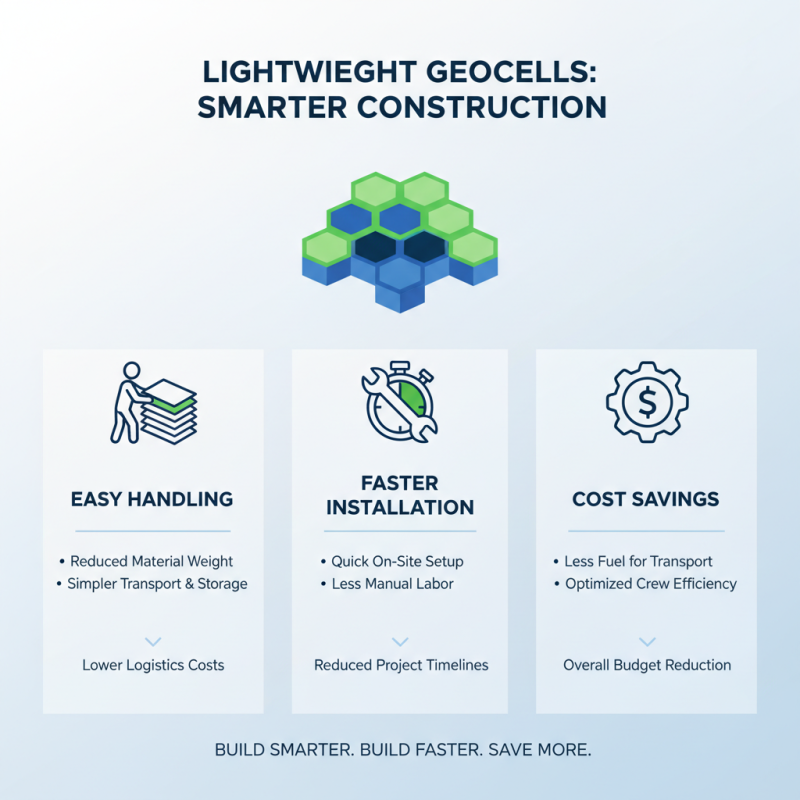
Construction projects often face challenges related to material weight and installation time. The use of lightweight geocells can significantly ease these issues. They are easy to handle and transport, allowing for quicker setup on-site. The reduction in weight can lead to cost savings in logistics and labor. Crews can work more efficiently, reducing delays caused by heavy materials.
Installation is straightforward with these geocells. There’s no need for heavy machinery, making it accessible for many projects. Even less experienced workers can manage installation with minimal training. Simple interlocking designs aid in speed and precision. They provide a solid structural foundation while being user-friendly.
However, it’s essential to assess site conditions. Not all areas may benefit equally from geocells. Soil stability, load requirements, and environmental impacts need consideration. Some projects may find that investment in additional support or reinforcement is necessary. Balancing ease of use with strategic planning helps ensure success and sustainability in construction efforts.