Exploring the Benefits of Woven Geofabric in Sustainable Construction Practices
The construction industry is increasingly turning towards sustainable practices, driven by the need to minimize environmental impact and enhance resource efficiency. A significant innovation in this domain is the use of
Woven Geofabric, which not only provides enhanced structural support but also contributes to soil stabilization, erosion control, and drainage management.
According to a report by the Global Geosynthetics Market, the demand for geosynthetic products, including Woven Geofabric, is projected to witness substantial growth, with a CAGR of 7.8% through 2028. These materials promote sustainable construction by reducing the need for traditional materials and facilitating better land use.
Furthermore, the incorporation of Woven Geofabric in projects aligns with the principles of green building standards, ultimately leading to longer-lasting and more environmentally friendly structures.
As the industry embraces innovative solutions, Woven Geofabric stands out as a critical component in advancing sustainable construction practices.
Advantages of Woven Geofabric in Enhancing Soil Stability and Erosion Control
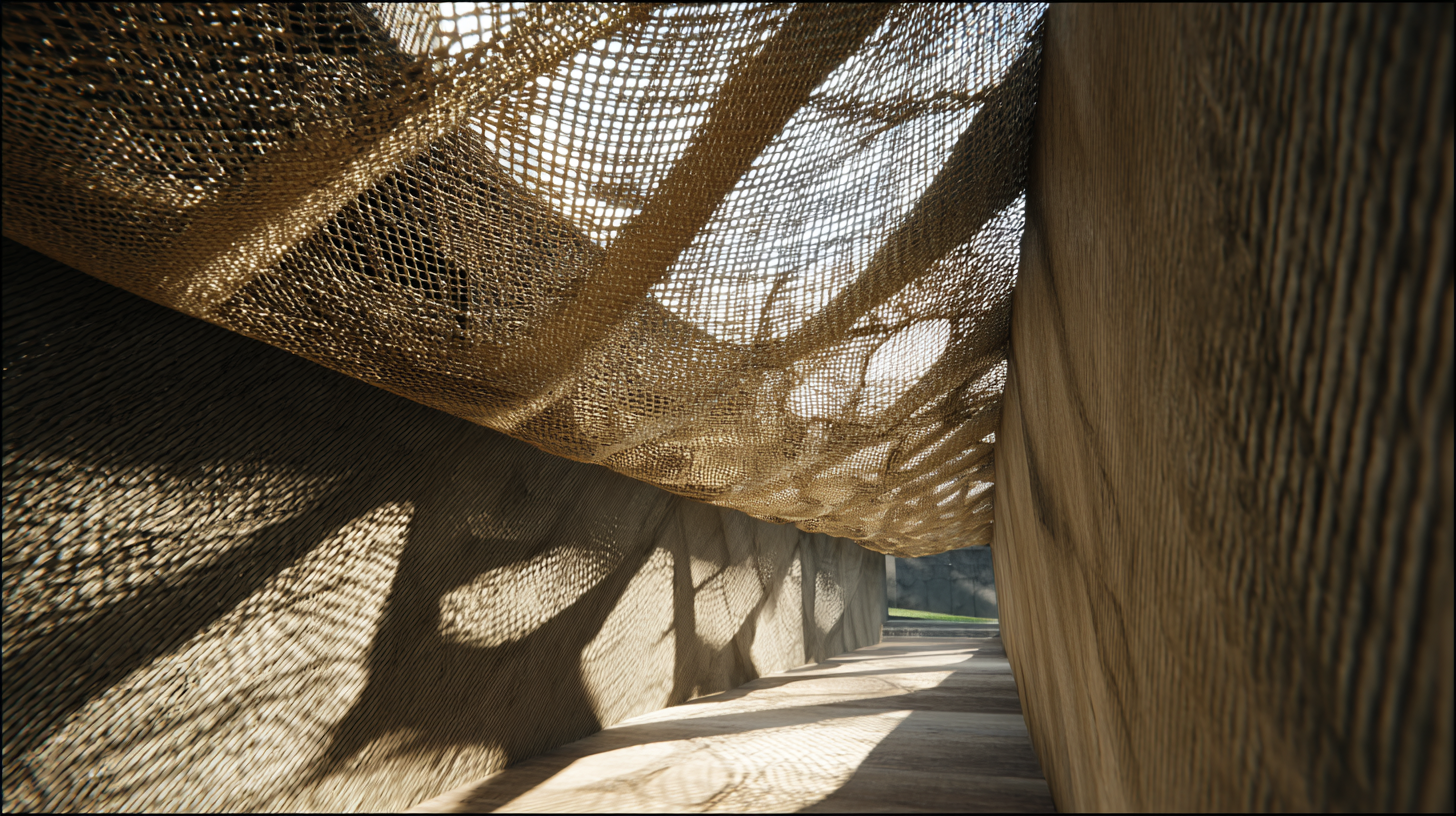
Woven geofabric is increasingly recognized for its significant role in sustainable construction practices, especially in enhancing soil stability and erosion control. By providing a robust and durable layer, these fabrics effectively reinforce soil structures, preventing the displacement of soil particles under various environmental conditions. The integrated mesh design allows for proper drainage, reducing water accumulation that can lead to soil erosion. As a result, woven geofabrics contribute to maintaining the integrity of embankments, slopes, and foundation layers, which is crucial in both urban and rural construction projects.
Moreover, the use of woven geofabric promotes eco-friendly construction methods by minimizing the need for chemical erosion control solutions, which can have detrimental effects on local ecosystems. By utilizing natural processes for water filtration and soil support, woven geofabrics facilitate a healthier environment. Additionally, their lightweight and flexible nature allows for easy installation, further supporting sustainable practices by reducing labor and transport emissions. Overall, the integration of woven geofabric in construction projects not only enhances the durability and stability of structures but also aligns with the principles of sustainability and environmental stewardship.
Benefits of Woven Geofabric in Sustainable Construction
Integration of Woven Geofabric in Green Infrastructure Projects
The integration of woven geofabric in green infrastructure projects presents a transformative opportunity within sustainable construction practices. woven geofabrics, known for their durability and strength, provide robust solutions for various environmental challenges. By enhancing soil stability and controlling erosion, these materials facilitate the creation of green roofs, permeable pavements, and other eco-friendly structures that promote stormwater management and improve urban resilience.
In addition to their functional benefits, woven geofabric contributes to the overall sustainability of construction projects. By incorporating these materials, builders can utilize local resources, reduce waste, and lower the carbon footprint of the infrastructure. Woven geofabrics also support plant growth and facilitate the establishment of vegetation in urban areas, further enhancing biodiversity and promoting ecosystem services. The widespread application of woven geofabric within green infrastructure projects underscores its potential to shape the future of sustainable construction, ultimately leading to healthier urban ecosystems and improved quality of life for communities.
Comparative Analysis: Woven Geofabric vs. Traditional Construction Materials
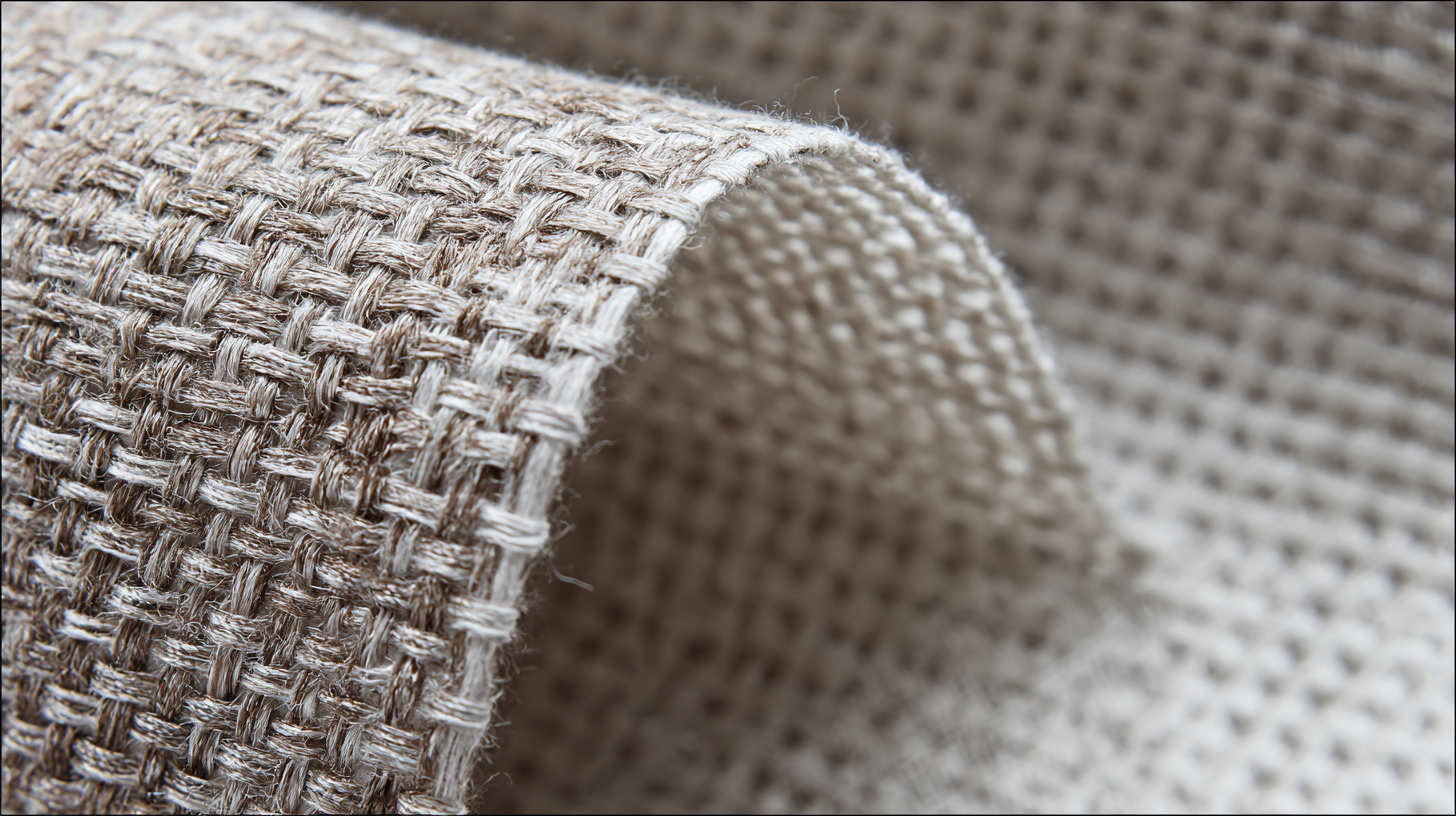
Woven geofabric has emerged as a critical material in sustainable construction, offering several advantages over traditional construction materials. Unlike conventional options such as concrete and metal, woven geofabrics are lightweight and flexible, allowing for easier installation and adaptability to various terrains. Their permeable nature enables efficient drainage, reducing the risk of water accumulation and erosion, which is often a limitation in traditional methods. This characteristic not only enhances the longevity of structures but also promotes environmental sustainability by facilitating natural hydrology.
In addition to their structural benefits, woven geofabrics contribute to reducing the carbon footprint of construction projects. Traditional materials typically require extensive energy for manufacturing and treatment, leading to higher greenhouse gas emissions. Conversely, woven geofabrics are often made from recycled materials and can be recycled after their lifecycle, promoting circular economy principles. This comparative analysis highlights that incorporating woven geofabric into construction practices not only supports sustainable development but also enhances the efficiency and resilience of infrastructure. As the construction industry seeks to innovate and reduce environmental impact, woven geofabric stands out as a forward-thinking alternative.
Case Studies Demonstrating Successful Use of Woven Geofabric in Sustainable Designs
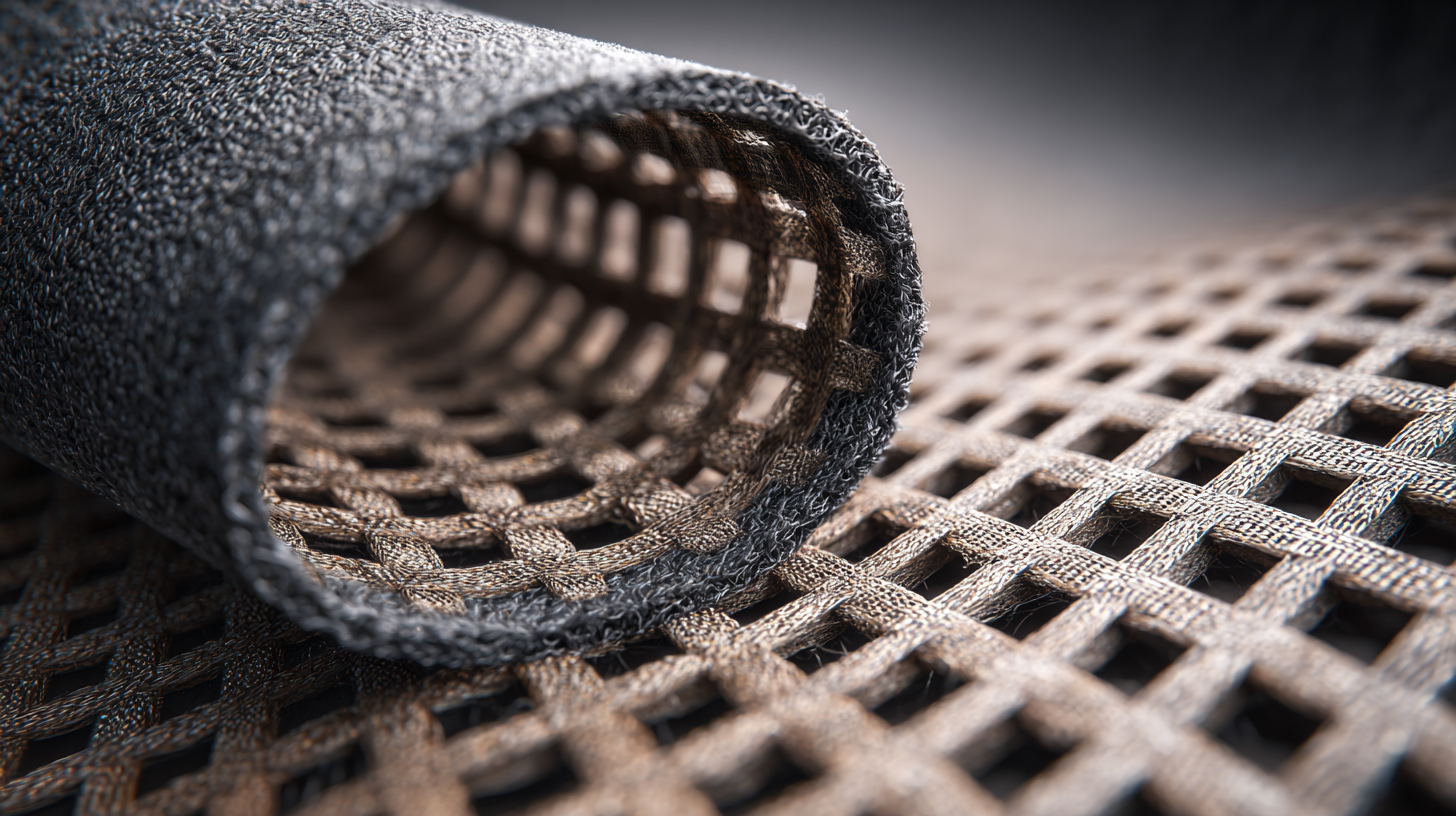 Woven geofabric has emerged as a pivotal element in sustainable construction practices, showcasing its versatility through various successful case studies. In a notable project involving urban stormwater management, woven geofabric was utilized to enhance soil stability and filtration, effectively reducing runoff and increasing water retention in green spaces. This approach not only mitigated flooding risks but also promoted biodiversity by creating a healthier ecosystem for local flora and fauna.
Another compelling example can be seen in the construction of eco-friendly roadways. In this case, woven geofabric was integrated into the pavement design to minimize environmental impact. The fabric reinforced the road structure, decreasing the need for traditional materials and facilitating the use of recycled aggregates. This innovative application not only cut down on construction waste but also provided a durable and sustainable solution that significantly reduced maintenance costs over time. Each of these case studies underscores the transformative role woven geofabric plays in advancing sustainable design and construction methods.
Future Trends and Innovations in Woven Geofabric Applications for Eco-friendly Construction
The increasing emphasis on sustainable construction practices has propelled innovations in woven geofabric applications, especially in the environmental and waste management sectors. Woven geofabric has become a fundamental component in landfill engineering, serving as a crucial barrier for waste containment and environmental protection. As these practices evolve, they are not only focused on functionality but also on reducing the ecological footprint of construction projects, aligning with global sustainability goals.
Future trends indicate a significant growth in the demand for biodegradable and sustainable nonwoven materials, particularly those that absorb water effectively. The rise in environmental awareness and the urgent need to mitigate ecological impacts have driven the adoption of natural fibers in geofabric production. As the market for geosynthetics is predicted to expand from $27.16 billion in 2018 to $45.25 billion by 2026, the woven geofabric segment is expected to play a vital role in this transformation. The advancements in weaving technologies further establish the potential for eco-friendly construction, paving the way for a more sustainable future in the building industry.
Exploring the Benefits of Woven Geofabric in Sustainable Construction Practices
| Application |
Benefit |
Future Trends |
Innovative Materials |
| Erosion Control |
Prevents soil loss and promotes vegetation growth. |
Integration with green infrastructure. |
Biodegradable woven geofabrics. |
| Slope Stabilization |
Enhances the stability of slopes and embankments. |
Adoption of smart geosynthetics. |
Reinforced polymers and natural fibers. |
| Drainage Systems |
Facilitates water drainage while filtering sediments. |
Use of permeable materials in urban design. |
Eco-friendly alternatives to synthetic fibers. |
| Road Construction |
Provides foundation support and reduces rutting. |
Emergence of self-healing geofabrics. |
Incorporation of recycled materials. |
| Landfill Management |
Liners made with woven geofabric minimize leachate. |
Use of advanced composite materials. |
Geosynthetics with enhanced chemical resistance. |


