China Top Geotextile Use Applications in Construction and Environmental Projects?
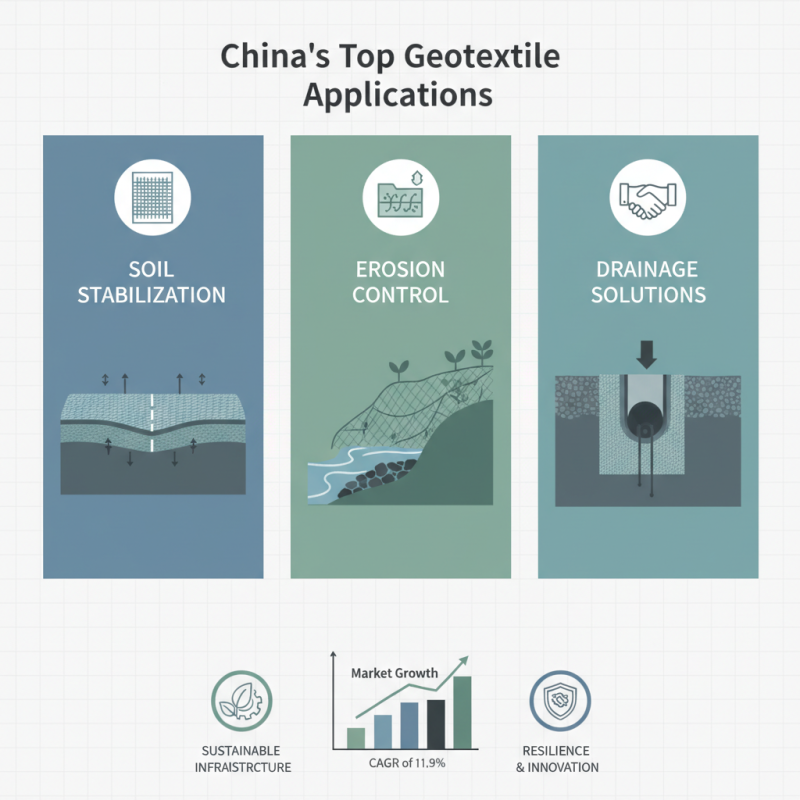
Geotextile use has become a pivotal aspect in modern construction and environmental projects across China. According to a report by Grand View Research, the global geotextiles market was valued at approximately $8.5 billion in 2020 and is projected to grow at a compound annual growth rate (CAGR) of 11.9% from 2021 to 2028. This significant growth underscores the increasing reliance on geotextiles for soil stabilization, erosion control, and drainage solutions in construction.
Expert insights highlight the importance of this material in achieving sustainable practices. Dr. Emily Zhang, a renowned geotechnical engineer, states, "Geotextile use fosters innovation, helping to mitigate environmental impacts while enhancing infrastructure resilience." Her perspective emphasizes how geotextiles address pressing environmental concerns, yet there remain challenges in widespread adoption. For instance, some projects still overlook the benefits of geotextiles, risking inefficiency and increased costs.
Chinese infrastructure projects have increasingly showcased geotextiles in applications ranging from road construction to landfill management. These materials mitigate soil erosion and improve water quality. However, continuous education on their benefits is crucial. As the industry evolves, it is imperative to reflect on project implementations and identify areas for improvement. Balancing efficiency with sustainability remains a goal that requires ongoing commitment and research within the geotextile use sector.
Overview of Geotextiles in China's Construction Sector
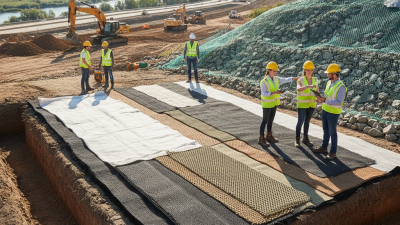
Geotextiles are revolutionizing the construction sector in China. These materials play a crucial role in reinforcing soil and improving stability. They are often used in road construction, drainage systems, and erosion control projects. Their lightweight properties make them easy to handle and install, reducing labor costs.
Tips: Regularly assess soil conditions before selecting geotextiles. This ensures optimum performance and longevity.
In urban infrastructure, geotextiles help manage stormwater effectively. They promote proper drainage, reducing flood risks. However, not every project realizes the potential benefits. Some engineers overlook soil interaction with geotextiles, leading to failures.
Tips: Consider conducting soil tests prior to application. These insights can prevent costly mistakes.
Environmental projects also benefit from geotextiles. They support vegetation growth in challenging terrains and combat soil erosion. This application demonstrates their versatility. Yet, some projects see only partial integration, which can limit effectiveness. Proper usage requires adequate training and planning.
Tips: Train project teams in the latest geotextile technologies to maximize outcomes.
Key Applications of Geotextiles in Infrastructure Development
Geotextiles play a crucial role in construction and environmental projects. They provide effective solutions for soil erosion, drainage, and stabilization. In infrastructure development, geotextiles are widely used in roads, highways, and retaining walls. They enhance the longevity and safety of these structures.
Tips: When selecting geotextiles, consider factors like soil type and climate. Proper installation is key to their functionality.
Another key application is in environmental protection. Geotextiles support vegetation growth in areas prone to erosion. They help create barriers against sediment and pollutants, which is vital for water quality.
Tips: Regular monitoring of geotextiles can prevent potential failures. Even slight wear and tear can impact their effectiveness. Ensure your team understands proper maintenance practices.
Geotextile applications are diverse and impactful. While they offer many benefits, it’s essential to recognize the need for quality materials and skilled labor. Balancing cost and performance can be challenging.
Key Applications of Geotextiles in Infrastructure Development
Environmental Benefits of Geotextiles in Eco-Projects
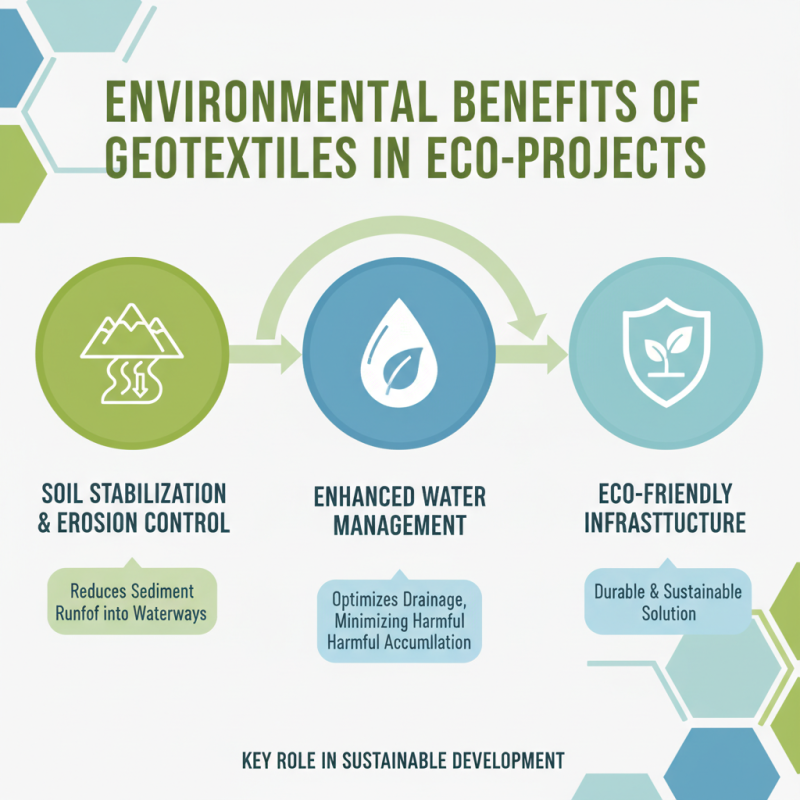
Geotextiles play a significant role in environmental projects. These materials serve multiple functions, such as soil stabilization and erosion control. They help reduce sediment runoff, which can harm waterways. Using geotextiles in drainage systems enhances water management. This function minimizes harmful water accumulation, showcasing their utility in eco-projects.
Their environmental benefits are notable, but challenges remain. While geotextiles reduce soil erosion, improper installation can lead to failure. Ensuring proper techniques and maintenance is crucial. Projects must account for local conditions and sustainability goals. Not all geotextiles are biodegradable, raising concerns about long-term impacts.
Awareness and education are key to optimizing their use. Stakeholders must be well-informed about geotextile types and properties. Research continues to improve these materials. Exploring new eco-friendly options can lead to better practices. Geotextiles should not be viewed as a panacea but a tool in a broader strategy for environmental protection.
Innovative Geotextile Solutions for Soil Stability and Erosion Control
Geotextiles play a crucial role in enhancing soil stability and controlling erosion in construction and environmental projects. According to recent industry reports, the global geotextiles market is expected to reach $10 billion by 2027, reflecting a growing recognition of their importance in sustainable development. These innovative solutions provide support in various applications such as road construction, embankment stabilization, and drainage systems.
One notable aspect of geotextiles is their ability to improve soil properties. For instance, incorporating geotextiles can enhance the load-bearing capacity of weak soils by up to 30%. This not only extends the lifespan of infrastructure but also mitigates the risk of damage during heavy rains. However, not all geotextiles deliver the same results. Selecting the right type based on environmental conditions and project requirements can be challenging.
Erosion control is another critical application. Reports indicate that erosion can cause up to 30% of land degradation globally. Geotextiles effectively reduce soil loss by providing a protective barrier. They help retain moisture and nutrients while allowing for vegetation growth. Despite these advantages, there is a need for continuous testing and refinement. Not every project sees optimal performance. This highlights the necessity for enhanced understanding and innovations in geotextile technology.
China Top Geotextile Use Applications in Construction and Environmental Projects
| Application Area |
Type of Geotextile Used |
Primary Function |
Key Benefits |
| Road Construction |
Nonwoven Geotextile |
Separation and reinforcement |
Improved load distribution, enhanced road durability |
| Landfill Lining |
Woven Geotextile |
Containment and filtration |
Effective leachate control, reduced environmental impact |
| Erosion Control |
Biodegradable Geotextile |
Soil stabilization |
Promotes vegetation growth, enhances ecological balance |
| Coastal Protection |
Composite Geotextile |
Wave attenuation |
Mitigates erosion, protects shorelines |
| Slopes and Embankments |
Geogrid |
Reinforcement |
Increases stability, prevents soil movement |
Future Trends in Geotextile Usage for Sustainable Construction Practices
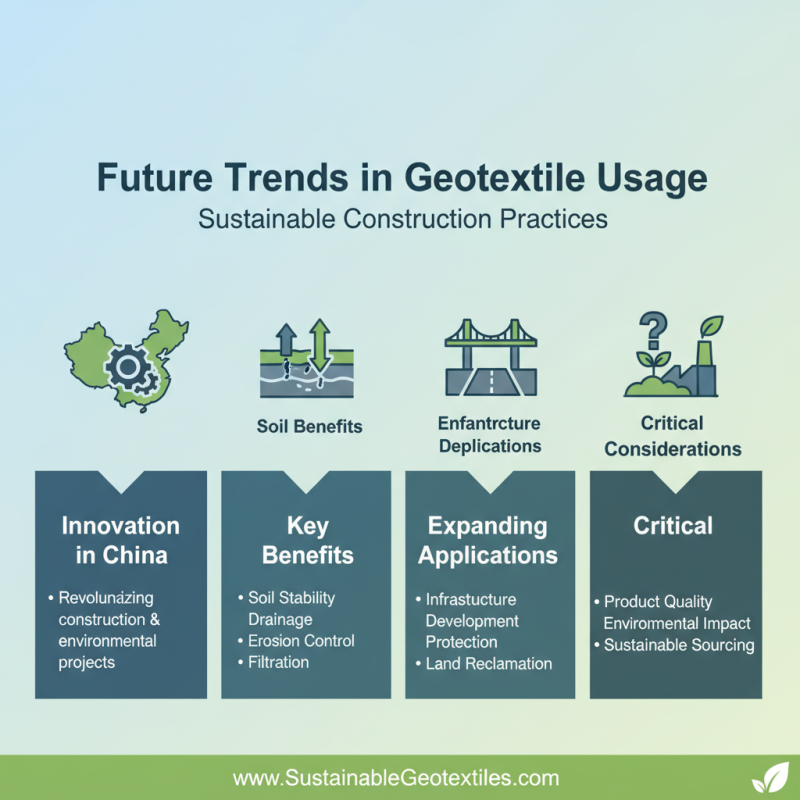
Geotextiles are revolutionizing construction and environmental projects in China. These materials enhance soil stability and drainage. They play a crucial role in erosion control and filtration. Yet, as geotextiles see wider application, challenges arise. The quality and environmental impact of these products must be critically evaluated.
In the pursuit of sustainable construction, future trends indicate a shift towards biodegradable geotextiles. These innovative materials could reduce waste in landfills. Additionally, increasing focus on circular economy principles is needed. Recycling and reusing geotextiles can help minimize their environmental footprint. However, the current lack of industry standards complicates this goal.
Practitioners must consider the long-term performance of geotextiles. While some products promise durability, questions remain regarding their effectiveness over time. Addressing these uncertainties requires collaboration among stakeholders. Advances in material science may lead to improved solutions, but vigilance is essential. Ultimately, the path toward sustainable practices will necessitate ongoing research and thoughtful implementation.