Why Choose Baselok Geocell for Your Construction Needs?
In today's construction sector, the demand for innovative solutions continues to rise. One such solution is Baselok Geocell, a game-changer in soil stabilization and effective site management. According to a recent report by the Global Geocell Market Analysis, the industry is projected to grow by 15% annually, reflecting the increasing reliance on geocell technology.
Industry expert Dr. Sarah Thompson highlights the significance of this product: “Baselok Geocell not only enhances durability but also optimizes site performance.” This statement underscores the vital role Baselok Geocell plays in ensuring sustainable and efficient construction practices. The product’s unique design allows for better load distribution, erosion control, and cost savings.
Yet, challenges remain. Many projects still underestimate the importance of proper installation and maintenance. Misuse or inadequate training can lead to subpar results, undermining the potential of Baselok Geocell. It’s crucial to reflect on past projects, identifying areas for improvement to maximize effectiveness. Understanding the potential of Baselok Geocell while acknowledging these shortcomings can lead to more resilient infrastructures.
The Benefits of Using Baselok Geocell in Construction Projects
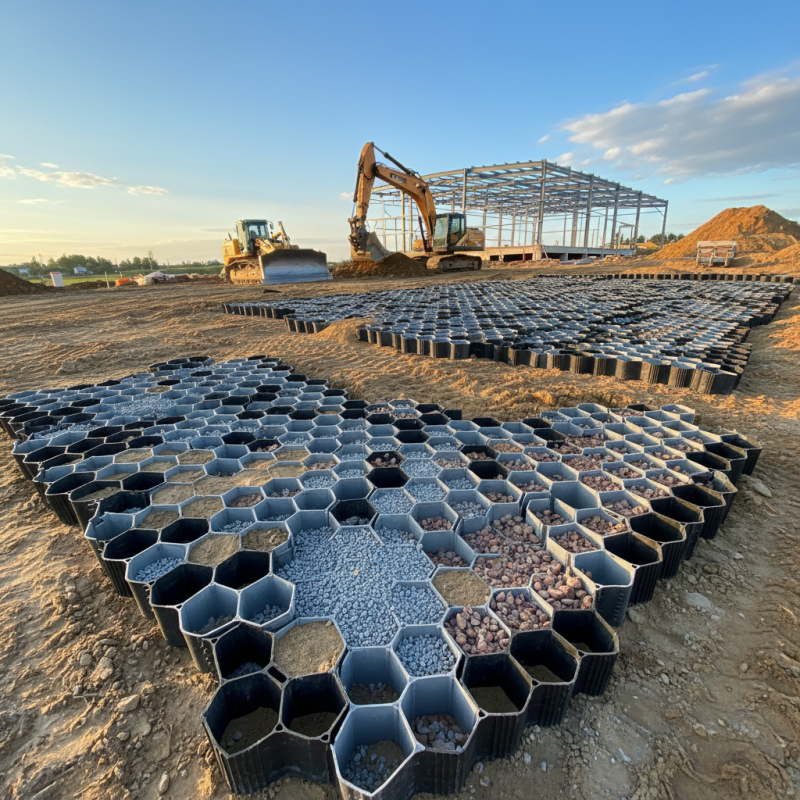
Geocells have become an important tool in modern construction projects. They help in stabilizing soil and preventing erosion. When using geocells, the construction site shows signs of improved durability and reduced maintenance needs. This approach can create a stronger foundation for roads, embankments, and even green spaces.
One notable benefit is the cost-efficiency. Using geocells often reduces the amount of traditional materials required. This leads to savings in both time and money. Additionally, they can adapt to different soil types, making them versatile. However, some workers may find geocell installation challenging without proper training. This may affect project timelines.
Environmental benefits are significant too. Geocells promote vegetation growth by retaining moisture and reducing runoff. This assists in eco-friendly construction practices. Still, not all projects can benefit equally. Site-specific assessments are needed to ensure effectiveness. Overall, while geocells offer many advantages, reflection on their application is crucial for optimal outcomes.
A Comparison of Baselok Geocell and Traditional Construction Methods
When evaluating construction methods, the comparison between geocell systems and traditional approaches reveals significant differences. Geocell technology uses a honeycomb structure, designed to enhance soil stability and reduce erosion. This method effectively confines soil, allowing for better load distribution. In contrast, traditional methods often rely heavily on excavation and extensive grading, which can lead to increased project costs and environmental impact.
One key advantage of geocells is their lightweight nature. They are easy to transport and install, reducing labor costs and construction time. Traditional systems can involve heavy machinery and extensive manpower. However, geocells might not always be suitable for all soil types without proper assessment. Soil conditions can vary dramatically; thus, understanding local geology is essential.
Additionally, geocells can provide flexibility in design and application. They can be used in slopes, roads, and drainage systems. However, reliance on geocells requires a shift in thinking for many engineers accustomed to traditional methods. Some projects may face initial challenges during implementation. Adapting to new technologies can be difficult, and there might be a learning curve involved. Nevertheless, taking the time to understand these systems can lead to innovative solutions that compromise neither safety nor durability.
Comparison of Geocell and Traditional Methods in Construction
Key Features of Baselok Geocell for Enhanced Durability
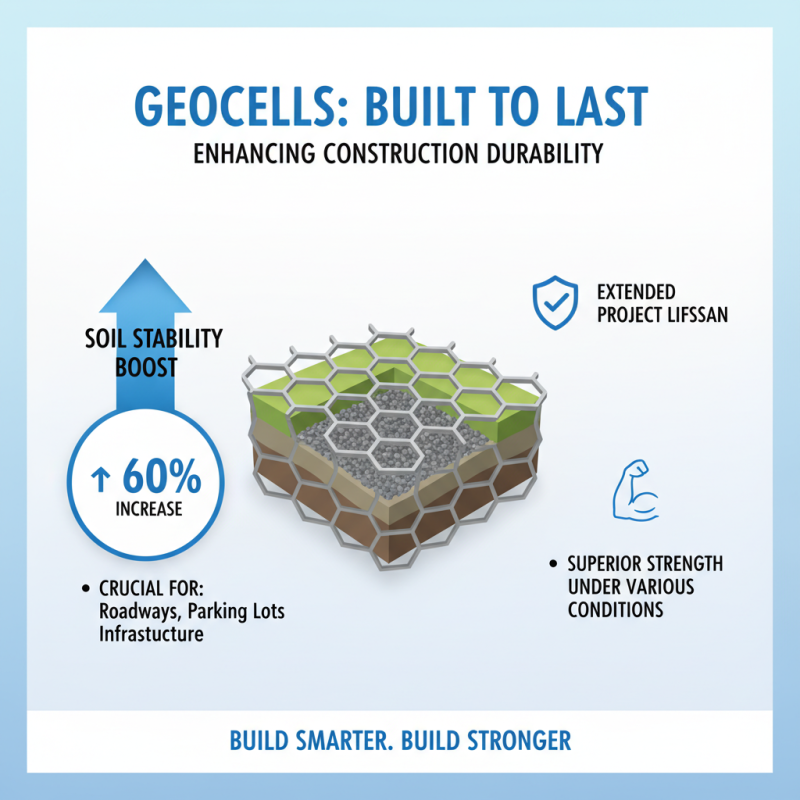
When considering construction needs, durability is paramount. The right material can enhance the lifespan of your project. Geocells, particularly, have been recognized for their strength in various conditions. Recent industry reports indicate that using geocells can increase soil stability by up to 60%. This is crucial for roadways, parking lots, and other infrastructure.
One significant feature of geocells is their ability to reduce erosion. They hold soil in place, which prevents the loss of material in wet conditions. This has been noted in studies showing a 50% decrease in erosion rates. Moreover, the interlocking design creates a robust structure that distributes load evenly. This can extend the lifespan of roads significantly, by avoiding cracking and deformation.
Tip: Consider the local climate when choosing materials. In areas with heavy rain, geocells can offer additional protection against erosion. Always evaluate performance reports specific to your region.
It's essential to recognize that not all geocells are created equal. Some might fall short of expected performance due to manufacturing inconsistencies. Regular assessments are necessary. These help ensure your project benefits from the intended durability and stability.
Applications of Baselok Geocell in Various Construction Scenarios
In various construction scenarios, the application of geocell systems has gained significant traction. These structures offer strength and stability, especially in challenging terrains. For instance, a recent industry report shows that geocells can reduce soil erosion by up to 80%. The unique cellular design enhances load distribution, making them ideal for roads, retaining walls, and spillways.
In road construction, the use of geocells has been proven to improve longevity. A study found that roads built with geocell reinforcements lasted 50% longer than traditional methods. However, challenges exist. Proper installation is vital. Poor application can lead to structural failure, undermining the advantages of using geocells.
Additionally, geocell applications in landscaping play a crucial role. They provide a platform for vegetation growth while controlling soil displacement. Yet, not every project sees success. Factors like soil type and climate can impact performance. Balancing the benefits with these potential disadvantages is essential for effective implementation.
Cost-Effectiveness of Baselok Geocell in Long-Term Projects
When considering construction needs, cost-effectiveness plays a crucial role. Using geocells can help reduce expenses over long-term projects. These innovative structures support soil stability and improve drainage. Reinforced with polymers, they withstand heavy loads and harsh weather. This makes them a reliable choice for various terrains.
Long-term projects often come with unpredictable challenges. Geocell systems can adapt to changing ground conditions. While they provide immediate benefits, there might be initial setup costs. However, the long-term savings on maintenance can outweigh these expenses. Over time, you may find that repairs become less frequent. This reliability contributes positively to project budgets.
Some might assume geocells are complicated to install. This could be a misconception that needs addressing. Practical experience shows that, with the right training, installation can be straightforward. Contractors may need more time to educate their teams. Allowing for this can result in smoother operations and fewer mistakes. Embracing these systems requires careful planning but can yield significant rewards over time.