Why Choose Pe Geomembrane for Your Next Project?
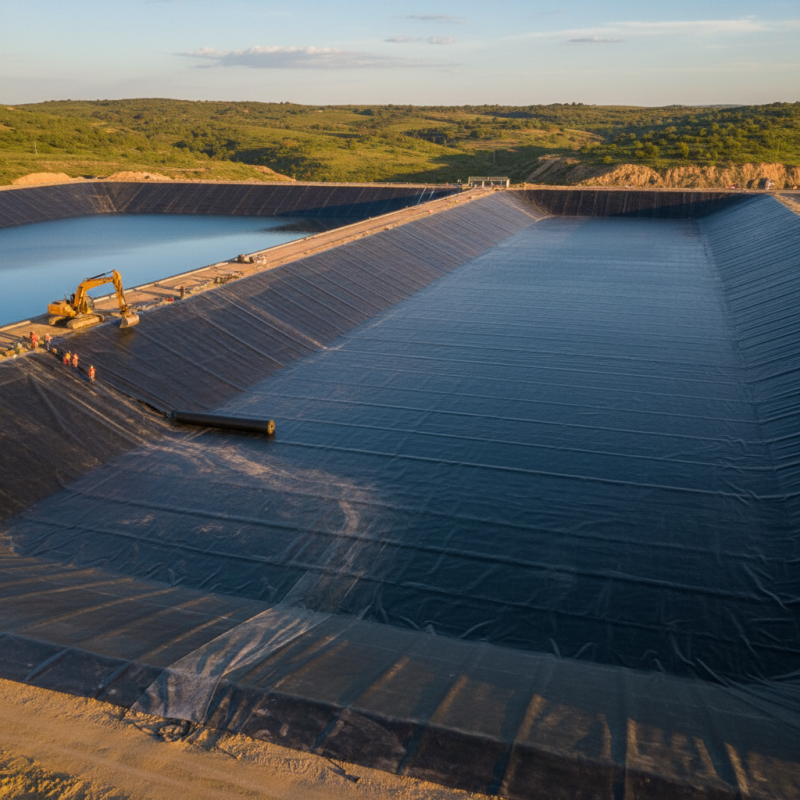
When considering materials for your next project, Pe Geomembrane stands out. This versatile product offers durability and flexibility. It is often chosen for environmental and engineering applications. Pe Geomembrane effectively prevents leakage and contamination, making it ideal for landfills, ponds, and reservoirs.
One significant advantage of Pe Geomembrane is its resistance to various chemicals. It can withstand harsh conditions without deteriorating. This quality makes it suitable for industrial sites and waste management. Many contractors appreciate its ease of installation. However, it is crucial to ensure proper handling during the installation process. Mistakes during installation can lead to future complications.
Additionally, Pe Geomembrane is an environmentally friendly choice. Its longevity reduces the need for frequent replacements. Yet, not all projects may benefit from this material. Evaluating the specific needs of your project is essential. Overall, Pe Geomembrane combines practicality with sustainability, offering numerous benefits when used correctly.
The Benefits of Using Pe Geomembrane in Engineering Projects
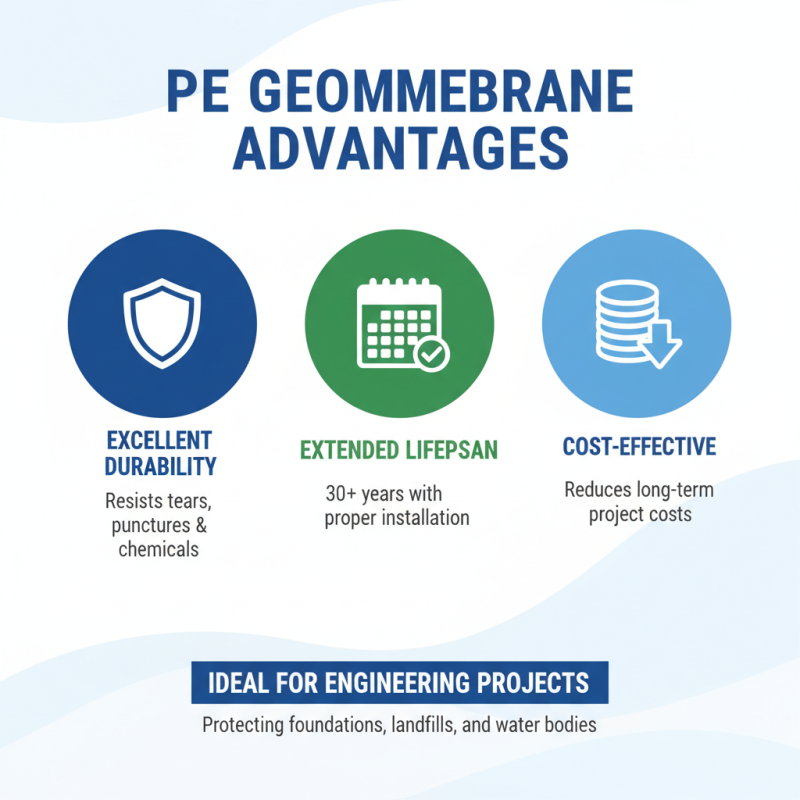
PE geomembrane offers significant advantages for engineering projects. Its excellent durability stands out in various conditions. According to industry data, PE geomembranes can last over 30 years with proper installation. This longevity reduces long-term costs for project managers.
One notable benefit is its resistance to chemicals and UV radiation. Studies indicate that PE geomembranes show minimal degradation when exposed to harsh chemicals, which is vital in waste containment. Yet, some projects may overlook the importance of proper site preparation. Poor installation can lead to unforeseen issues down the line, such as leaks or punctures.
Additionally, PE geomembranes provide a reliable barrier against water infiltration. According to environmental reports, using these geomembranes minimizes groundwater contamination. However, some engineers may underestimate local geological factors. Ignoring site-specific conditions could compromise the material's effectiveness. Proper assessment is critical to ensure optimal performance in any engineering project.
Environmental Considerations and Sustainability of Pe Geomembrane
Pe geomembranes have gained attention for their environmental advantages. They offer significant durability, resisting both chemical and physical damage. This makes them ideal for various applications, including landfills and water containment. Their longevity contributes to sustainability, reducing the need for frequent replacements. A longer lifespan means less waste and lower overall resource consumption.
However, it is essential to consider the production processes involved. Manufacturing pe geomembranes can consume energy and generate emissions. While these materials can be recyclable, the reality is not always straightforward. Many facilities lack proper recycling programs. This leaves a gap between potential sustainability and actual practice. Addressing these shortcomings requires industry awareness and proactive measures.
Choosing pe geomembrane for a project brings both benefits and challenges. A careful evaluation of environmental impact is crucial. It’s not just about the material; it’s about how it fits into a broader sustainability framework. Projects can have a positive influence when they prioritize responsible sourcing and end-of-life options for geomembranes.
Comparison of Pe Geomembrane with Other Liners and Barriers
When it comes to lining and barrier solutions, PE geomembrane stands out for several reasons. Compared to traditional materials like clay or concrete, PE geomembrane offers superior flexibility and puncture resistance. This can be particularly advantageous in applications that require adaptability to ground movement or changing conditions. Given its lightweight nature, installation is usually quicker and less labor-intensive, making it a preferred choice for many projects.
In contrast to other liners, PE geomembrane is quite cost-effective. It can provide long-term durability with minimal maintenance compared to alternatives like EPDM or PVC liners. However, it is essential to consider the environmental conditions of your project. Extreme temperatures can affect the longevity of PE geomembrane, a factor that should not be overlooked. While its impermeability is impressive, not all projects may benefit equally from its characteristics.
There are always imperfections in any solution. For instance, if a project site has sharp rocks, extra precautions must be taken. Punctures can still occur under heavy loads. Assessing the specific needs of your project will help make the right choice. It's not just about selecting a material; it's about understanding its capabilities and limitations.
Installation Techniques and Best Practices for Pe Geomembrane
When installing PE geomembrane, attention to detail is crucial. Proper ground preparation sets the stage for a successful installation. The surface must be free of sharp objects and debris. This prevents damage during placement. A clean, level area ensures the geomembrane lays flat, reducing stress points.
During installation, use the appropriate tools and techniques. Overlap seams should be carefully fused for maximum strength. Seam testing is often overlooked. Yet, conducting regular checks can prevent costly failures later. Wind and weather conditions can also impact installation quality. Always have a backup plan in place for unexpected changes.
As you work with PE geomembrane, take note of potential pitfalls. These can include poor seam alignment or inadequate anchoring. Reflecting on initial mistakes can lead to improvements in future projects. Creating a checklist can help maintain focus on best practices. With practice, your team can refine their methods and boost efficiency over time.
Why Choose Pe Geomembrane for Your Next Project?
Applications of Pe Geomembrane in Various Industries and Projects
Pe geomembranes are gaining popularity across various industries for their versatility and durability. These materials excel in applications such as landfill liners, aquaculture, and water conservation. In waste containment, for instance, the integrity of the geomembrane is crucial in preventing leaks. But not all installations are seamless. Engineers must carefully assess the site conditions. A minor oversight can lead to significant problems.
In the agricultural sector, pe geomembranes are used in ponds and irrigation systems. They help conserve water and prevent soil erosion. However, choosing the right membrane thickness is vital. Thinner membranes may save costs but could lead to higher maintenance needs later on. Choosing wisely ensures long-term success.
Tip: Always evaluate the environmental conditions before installation. Temperature fluctuations can affect the material. Ensure you are consulting with experts during the selection process. Remember, quality can sometimes come with a higher initial investment, but it pays off in the long run.
Why Choose Pe Geomembrane for Your Next Project?
| Industry |
Application |
Benefits |
| Agriculture |
Irrigation ponds |
Water conservation, soil protection |
| Waste Management |
Landfill liners |
Leachate control, prevents contamination |
| Mining |
Heap leach pads |
Improve recovery, environmental safety |
| Construction |
Waterproofing foundations |
Structural integrity, mold prevention |
| Aquaculture |
Fish farming ponds |
Water retention, habitat protection |