Why Choose Geotech Fabric for Your Next Project?
In the realm of construction and civil engineering, Geotech Fabric stands out as a vital component. Renowned expert Dr. Emily Carter states, "Geotech Fabric enhances stability and flexibility in soil applications." This technology fosters better support, making projects more efficient.
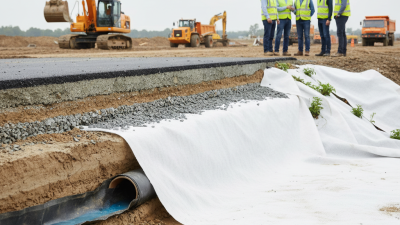
Geotech Fabric serves multiple purposes. It prevents soil erosion, stabilizes slopes, and aids in drainage. Its lightweight yet durable nature makes it easy to handle. However, while Geotech Fabric offers many benefits, it's essential to consider the specific needs of your project.
The selection of Geotech Fabric should not be a one-size-fits-all approach. Reflecting on individual project requirements is crucial. Not all fabrics will meet the expectations. An informed choice can lead to better performance and sustainability in the long run.
Benefits of Using Geotech Fabric in Construction Projects
Geotech fabric has become a popular choice in construction projects due to its numerous benefits. One notable advantage is its strength. This fabric can handle heavy loads, making it ideal for supporting soil structures. It helps to stabilize earth, reducing the risk of erosion. However, if improperly installed, it can lead to failure and additional costs.
Another benefit is its permeability. Geotech fabric allows water to flow through while retaining soil particles. This feature is useful for drainage applications. It helps maintain structural integrity by preventing water buildup. Yet, if not chosen wisely, the wrong type of fabric can cause clogging issues and undermine the entire project.
Cost-effectiveness is also a significant factor. Using geotech fabric often reduces the need for additional materials like gravel. It can save both time and money in construction. However, project managers must be cautious about over-reliance on geotech fabrics. They can sometimes underestimate the complexities involved in their application. This may result in less-than-ideal outcomes if not properly assessed.
Types of Geotech Fabrics and Their Applications
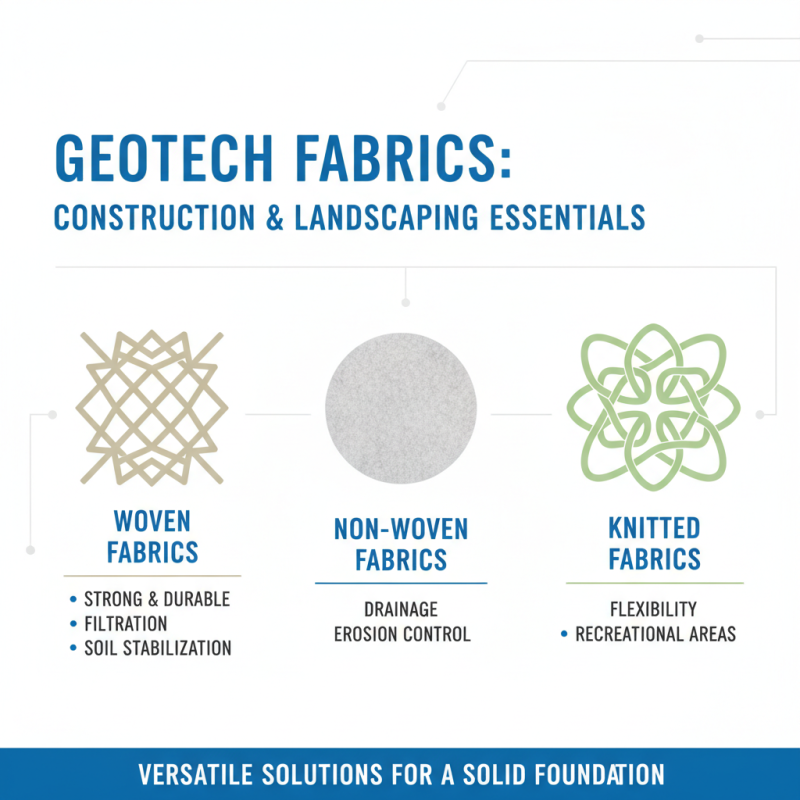
Geotech fabrics play a vital role in various construction and landscaping projects. They come in different types, each serving a unique purpose. The most common types include woven, non-woven, and knitted fabrics. Woven fabrics are strong and durable, ideal for filtration and soil stabilization. Non-woven fabrics are great for drainage and erosion control. Knitted fabrics offer flexibility and are often used in recreational areas.
When selecting geotech fabrics, consider the project needs. Think about soil types and environmental factors. For instance, non-woven fabrics work well in areas prone to heavy rainfall. In contrast, woven fabrics may be better for rocky terrains.
**Tips:** Always assess site conditions before choosing a fabric. Test samples to ensure suitability. Engage a professional for complex projects. While there are many options, not all fabrics will meet your specific needs. Be aware that a fabric might perform well in one setting but fail in another, leading to unexpected challenges. Always plan for adjustments and potential re-evaluations based on real-world applications.
How Geotech Fabric Enhances Soil Stability and Erosion Control
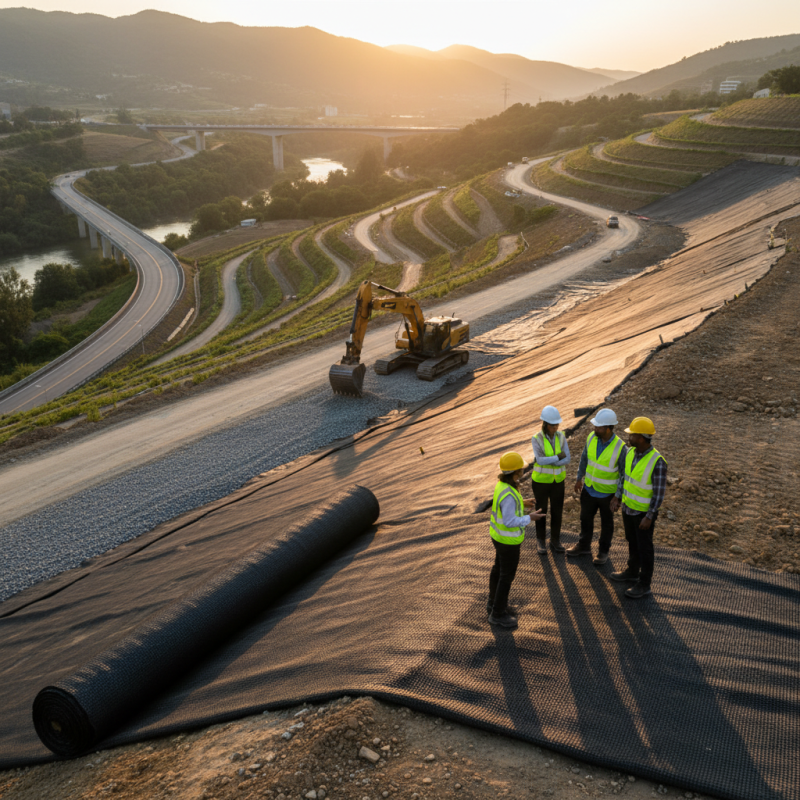
Geotech fabric serves as a powerful tool for enhancing soil stability and controlling erosion. This material consists of strong, engineered textiles designed to provide support in various construction and landscaping projects. When placed under soil layers, geotech fabric helps distribute soil pressure evenly. This reduces the risk of settlement over time.
In addition, geotech fabric effectively prevents soil erosion on slopes and embankments. The fabric acts as a barrier, allowing water to flow while holding the soil in place. Imagine a steep hillside after heavy rain—without this reinforcement, the soil may wash away, leading to costly damage. However, it’s important to consider its limitations. In some applications, improper installation can lead to poor drainage. That might cause water to pool, undermining the very stability the fabric aims to provide.
Furthermore, while geotech fabric is durable, it isn't a one-size-fits-all solution. Different projects may require different types or grades of fabric. Sometimes, engineers overlook the specific needs of the project, resulting in less effective outcomes. Careful consideration of the site conditions and material choice is essential for optimizing the benefits of geotech fabric in soil stabilization and erosion control.
Cost-Effectiveness of Geotech Fabric in Long-Term Projects
Geotech fabric has become a vital tool in construction and landscaping projects. Its cost-effectiveness shines especially in long-term applications. Unlike traditional materials, geotech fabric reduces the need for constant maintenance. This fabric prevents soil erosion and stabilizes slopes, providing long-lasting support for various constructions.
Investing in geotech fabric may seem higher initially. However, the savings over time can be significant. Fewer repairs and reduced erosion lead to lower expenses. For instance, in a project with steep terrain, using geotech fabric can mitigate costly land slides. It may not replace every conventional material, and that's where reflection is necessary. Balancing immediate costs with potential savings is essential.
Environmental impact is another aspect to consider. Geotech fabric promotes better drainage and minimizes the use of concrete and asphalt. This reduces the overall carbon footprint of a project. While it might not suit every situation, assessing its suitability can lead to better decision-making. Ultimately, the long-term benefits of geotech fabric can outweigh initial hesitations.
Why Choose Geotech Fabric for Your Next Project? - Cost-Effectiveness of Geotech Fabric in Long-Term Projects
| Project Type |
Material Cost ($/sq ft) |
Installation Cost ($/sq ft) |
Maintenance Cost (Annual) |
Lifetime (Years) |
Cost-Effectiveness Index |
| Road Construction |
1.50 |
3.00 |
500 |
20 |
0.075 |
| Landfill Projects |
2.00 |
2.50 |
300 |
25 |
0.065 |
| Erosion Control |
1.20 |
1.80 |
200 |
15 |
0.067 |
| Slope Stabilization |
1.80 |
2.20 |
250 |
20 |
0.075 |
| Retaining Walls |
2.50 |
3.50 |
400 |
30 |
0.085 |
Environmental Considerations When Choosing Geotech Fabric
Geotech fabric plays a crucial role in sustainable construction. Environmental stewardship should guide your choice of materials. Research shows that nearly 60% of construction waste is related to soil erosion and contamination. Using geotech fabric can significantly reduce this waste by stabilizing soil and preventing erosion from water runoff.
Many projects benefit from using biodegradable geotech options. These designs provide a short-term solution while enhancing soil quality. According to a report by the Environmental Protection Agency, implementing such materials can decrease pollution levels by up to 20%. This is an important consideration for eco-conscious builders and developers.
However, not all geotech fabric is created equal. Some products may degrade rapidly or fail to meet regulatory standards. Continuous evaluation and thoughtful selection of materials are necessary to ensure that they align with environmental goals. It’s vital to invest in geotech fabric that meets sustainability criteria, avoiding compromises for the sake of cost or convenience.
Environmental Impact of Geotech Fabrics
This chart highlights the benefits of using geotech fabric in various environmental considerations such as erosion control, water permeability, and soil stabilization.