Why Choose Geotex Membrane for Your Construction Projects?
In the construction industry, choosing the right materials is crucial. One product that stands out is the Geotex Membrane. This innovative solution offers numerous advantages that can benefit various projects. It is essential to understand why this material is gaining popularity.
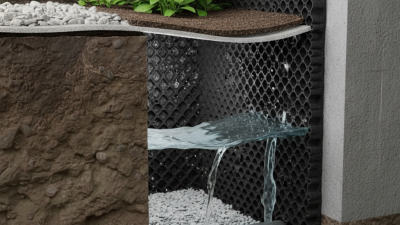
Geotex Membrane provides effective drainage, ensuring structures remain stable. Many projects rely on this material to enhance water management. It prevents soil erosion and improves overall longevity. However, some may question its cost-effectiveness compared to traditional methods. It's a valid concern, as initial expenses can be higher.
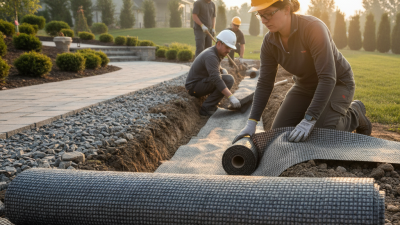
Additionally, while Geotex Membrane shows promise, it requires proper installation. This aspect is critical for achieving desired results. Some contractors may underestimate the attention to detail needed. Challenges arise when materials are not installed correctly, leading to unexpected issues. Hence, careful planning and skilled labor are necessary for optimal performance.
Understanding Geotex Membranes and Their Applications in Construction
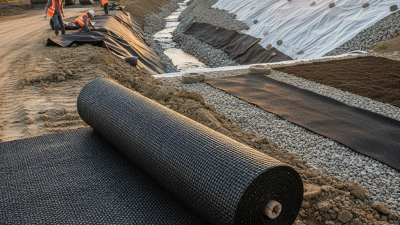
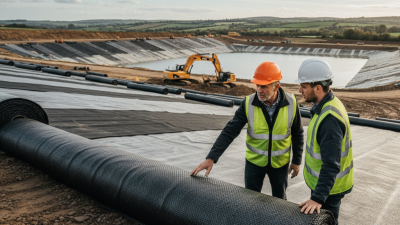
Geotex membranes are increasingly recognized for their versatility in construction. They serve essential roles in soil stabilization and erosion control. These membranes create a barrier, preventing soil and contaminants from mixing. This property is crucial for effective drainage in various projects.
Recent reports indicate that the use of geotextiles can reduce construction costs by up to 30%. They can also enhance project life spans. Specifically, geotex membranes provide reinforcement in road building and are beneficial for retaining walls. However, some applications may require careful consideration. Improper installation can lead to failures.
Environmental factors also play a role in their effectiveness. Not all membranes perform equally in varied climates. They must be selected based on specific conditions and project requirements. This necessitates a deeper understanding of soil types and local climates. Each project may come with its unique challenges, highlighting the complexity of choosing the right geotex material.
Geotex Membrane Applications in Construction
Key Advantages of Using Geotex Membranes for Project Success
Geotex membranes stand out in construction projects for their unique advantages. They offer excellent waterproofing, ensuring that structures remain protected from moisture damage. By acting as a barrier against water, these membranes prevent potential foundational issues. Using Geotex membranes can significantly enhance the longevity of your project.
Moreover, installation is often straightforward. Many construction teams find them easy to apply, which can save time on the job site. This efficiency can lead to cost savings. However, it’s essential to train workers properly. Misapplication can diminish benefits. It’s a common mistake that may lead to long-term issues.
Another critical aspect is their versatility. Whether it’s landscaping, road construction, or building foundations, Geotex membranes adapt well to various environments. Still, some may question their performance in extreme conditions. Continuous evaluation and feedback from the field can help fine-tune usage in tough climates. Regular assessments ensure that projects benefit fully from these materials.
Comparison of Geotex Membranes with Alternative Materials
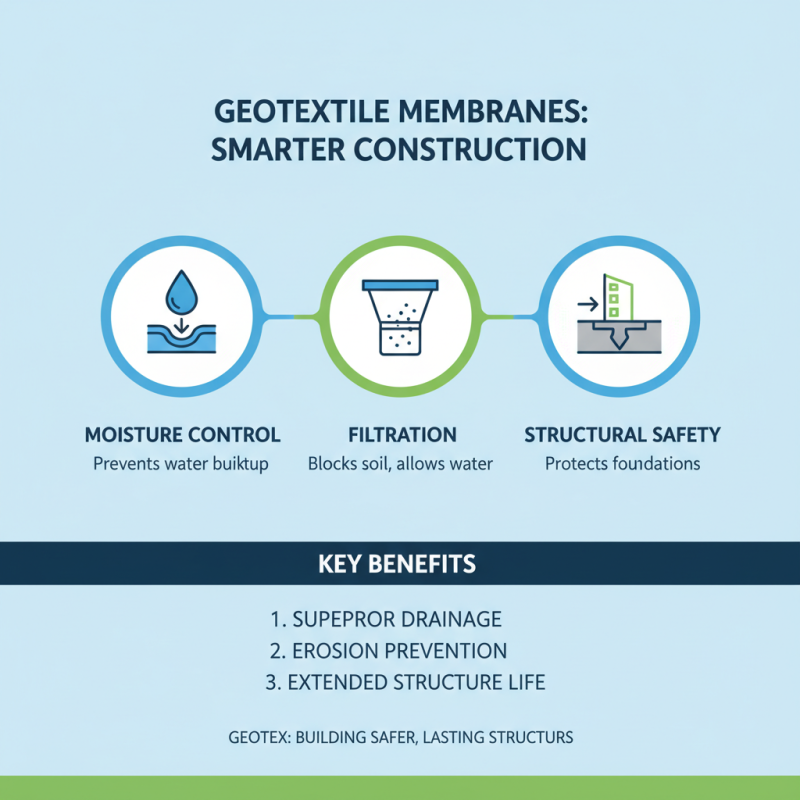
When it comes to construction projects, choosing the right materials is crucial. Geotex membranes stand out because of their unique properties. They are designed to offer superior moisture control and filtration. These membranes effectively manage water drainage, and that keeps structures safer.
In comparison to alternative materials, Geotex membranes often provide better durability. Some options may wear quickly under harsh conditions. For instance, while traditional barriers might fail under heavy rain, Geotex membranes remain effective. Yet, not all situations are equal. In some cases, cost may outweigh potential benefits.
It's essential to reflect on specific project needs. Different environments will demand different solutions. Geotex membranes may shine in one scenario, but may not be as effective in another. Therefore, evaluating specific construction requirements is key. Balancing performance and cost will ultimately lead to the best choice.
Installation Best Practices for Geotex Membranes in Construction
When installing Geotex membranes, attention to detail is crucial. Proper
surface preparation lays the foundation for success. Ensure the area is clean and dry, free from debris.
Any bumps or sharp objects can compromise the membrane's integrity. It's often overlooked, but a
smooth surface can greatly enhance adhesion.
During installation, take your time to lay the membrane correctly. Overlapping seams should be at least
12 inches wide. Not doing this can lead to leaks later. Use consistent pressure when applying adhesive.
Inconsistent application might cause bubbles. Underestimating this step can result in costly repairs down the line.
After installation, monitor the membrane regularly. Weather can be unpredictable. Ensure that there are no
punctures or tears. Many forget this step, assuming it's set and forget.
Regular checks can save you headaches in the future. Consider allowing some time for reflection on your methods.
There's always room for improvement.
Long-Term Benefits of Geotex Membranes for Sustainability and Durability
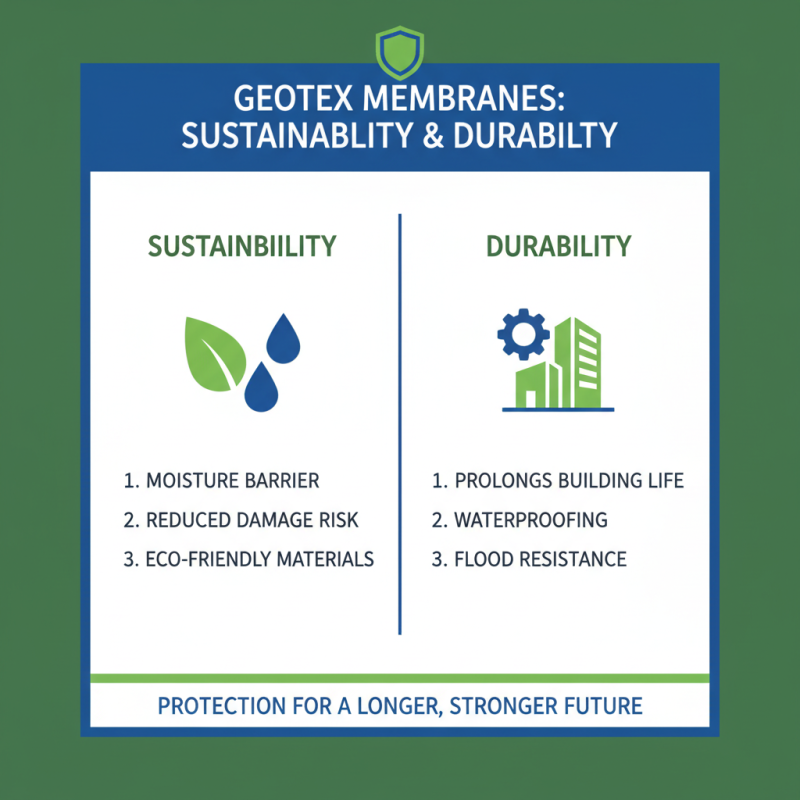
Choosing Geotex membranes for construction projects offers notable advantages in terms of sustainability and durability. These membranes provide effective protection against water and moisture. They reduce the risk of damage to structures. A well-installed membrane can significantly prolong the lifespan of a building. This is particularly vital in regions prone to heavy rainfall or flooding.
When it comes to durability, Geotex membranes excel in resisting harsh environmental conditions. They withstand UV exposure and temperature fluctuations. This resilience ensures that structures remain intact over time. However, choosing the right type of membrane is essential. Not all membranes are equal, and some might fail under specific conditions.
Additionally, the installation process must be meticulous. Poor installation can lead to leaks and eventual deterioration. It's crucial to involve skilled professionals for this task. Regular inspections and maintenance are necessary for optimal performance. Yet, the long-term investment in quality membranes pays off through reduced repairs and lower environmental impact.