What is Concrete Cloth and how to use it in construction?
Concrete Cloth is a revolutionary material in modern construction. It combines the durability of concrete with the flexibility of fabric. This innovative product can be used in various applications. Many industries benefit from its unique properties.
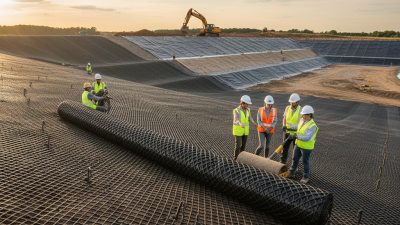
One of the most notable features of Concrete Cloth is its ease of use. It can be deployed quickly in challenging environments. This versatility makes it suitable for erosion control, slope stabilization, and even architectural projects. The cloth hardens when hydrated, forming a strong layer that can withstand harsh weather.
However, it's essential to consider the limitations of Concrete Cloth. While it offers many advantages, it may not be a perfect solution for every situation. Understanding its optimal applications will prevent unintended consequences in construction projects. As experts explore new uses, it's crucial to think critically about its integration in diverse contexts.
What is Concrete Cloth?
Concrete Cloth is a unique construction material that combines concrete and fabric. It features a flexible, three-dimensional textile embedded with cement that hardens when hydrated. This innovative product allows for easy installation in various construction applications. It is lightweight and highly adaptable, making it suitable for slopes, channels, and emergency repairs.
When using Concrete Cloth, hydration is crucial. Ensure the material is thoroughly saturated. This activates the cement, promoting proper curing and strength. It's best to apply in moderate weather conditions. Extreme temperatures can affect the curing process.
One tip for effective use is to plan your project layout first. This allows for efficient cutting and placement. Also, wearing appropriate protective gear is essential. The fibers can irritate skin during installation.
While Concrete Cloth can be a game-changer, some projects may require additional reinforcement. Not every surface will suit its application perfectly, so consider the overall structural requirements.
Composition and Manufacturing Process of Concrete Cloth
Concrete cloth is a modern construction material that combines the durability of concrete with the flexibility of fabric. Its composition typically includes concrete powder, fibers, and a textile backing. This mixture allows it to maintain the strength associated with concrete while being lightweight and easy to manipulate. The production process involves mixing these elements, which are then applied to a fabric substrate. This creates a material that can conform to various shapes and surfaces.
When using concrete cloth, it serves multiple purposes, such as erosion control and surface stabilization. It can be rolled out over unstable ground or slopes, providing a protective barrier. This application reduces soil erosion effectively. However, there are challenges in achieving a perfect bond with the underlying surface. Proper installation techniques are essential to ensure effectiveness. It’s crucial to consider environmental factors. Weather conditions can affect the curing and setting time of the concrete cloth.
Over time, some users have noted issues with durability in harsh conditions. Regular inspections are necessary to maintain integrity. Although concrete cloth can transform construction practices, it requires careful thought regarding its limitations. Understanding the manufacturing process is essential for anyone looking to implement this innovative material. The combination of raw materials and application methods can make a significant impact on its functionality in real-world scenarios.
Applications of Concrete Cloth in Construction Projects
Concrete cloth is a versatile material gaining traction in construction projects. Its unique properties allow for diverse applications, particularly in erosion control and construction of temporary structures. According to industry reports, the global erosion control market is expected to reach $10.46 billion by 2027, highlighting increased demand for innovative solutions like concrete cloth.
One prominent application is slope stabilization. When used on steep gradients, concrete cloth provides a solid barrier against soil erosion. This is crucial in areas prone to heavy rainfall, where soil displacement may pose significant risks. Moreover, its lightweight nature simplifies transport and installation. However, proper planning and site assessments are essential, as improper application may lead to uneven surfaces.
Another notable use is in creating temporary roads. Concrete cloth can quickly form access pathways for equipment and personnel. This can be particularly beneficial in remote areas, reducing project delays. Still, challenges can arise. The material may not adhere well in extremely low temperatures, which could limit its application seasonally. Therefore, careful consideration of local climate is necessary when planning its use.
What is Concrete Cloth and how to use it in construction? - Applications of Concrete Cloth in Construction Projects
| Application Area |
Description |
Benefits |
Installation Method |
| Erosion Control |
Used to stabilize slopes and prevent soil erosion. |
Durable, flexible, and can conform to landscape changes. |
Roll out and secure with anchors or pins. |
| Water Management |
Utilized for lining channels and controlling water flow. |
Quick to install and helps reduce sediment transport. |
Install over the prepared surface, overlap edges. |
| Infrastructure Protection |
Protects pipelines and cables from mechanical damage. |
Resistant to impacts and weathering. |
Lay down and secure with appropriate fasteners. |
| Road and Path Construction |
Serves as a base layer for unpaved roads and pathways. |
Creates a sturdy, weather-resistant surface. |
Cut to size and lay down like traditional cloth. |
| Civil Engineering Projects |
Used in retaining walls and spillways. |
Enhances structural integrity and aesthetic value. |
Apply onto the structure and secure as needed. |
Installation Techniques for Concrete Cloth
Concrete cloth is a revolutionary material that offers flexible, durable solutions for various construction needs. When it comes to installation, it’s crucial to follow specific techniques to ensure optimal performance and longevity.
Before laying concrete cloth, clear the surface of debris and sharp objects. The substrate should be firm and level. Unroll the concrete cloth, allowing it to lay flat. Secure the edges using anchors to prevent movement during the curing process. According to a recent report by the American Concrete Institute, proper anchoring can reduce the risk of uplift due to wind or erosion.
Tips for effective installation include applying a consistent pressure while compacting the material with a roller. This technique helps achieve better bonding with the subgrade. Be aware that excessive moisture can hinder the curing process. In addition, always wear protective gear; handling concrete cloth can be rough on the skin. Satisfactory results depend on attention to detail throughout installation. Regular inspections during and after installation can highlight areas needing reinforcement.
Consider the environmental impact. While concrete cloth is a versatile material, its production has a carbon footprint. Reflecting on sustainable practices in your projects can lead to better outcomes. Balancing performance with environmental concerns is essential for future developments in the industry.
Advantages and Disadvantages of Using Concrete Cloth in Construction
Concrete cloth is a revolutionary material that is increasingly used in construction. However, it has both advantages and disadvantages that need careful consideration. One clear benefit is its lightweight nature. This makes it easy to transport and install. Workers can handle it without heavy equipment. Additionally, it sets quickly when hydrated, allowing for rapid project completion. In remote or challenging locations, this can be an essential feature.
On the downside, concrete cloth can be expensive. The initial cost might deter some projects, especially smaller ones. While it is durable, it may not always perform as well as traditional concrete in every situation. Its effectiveness can depend on environmental conditions. Extreme temperatures might compromise its integrity over time. It is essential to evaluate specific project needs before choosing concrete cloth. Balancing cost and performance is crucial for optimal results.