Exploring the Environmental Benefits of Geotextile Mats in Modern Construction
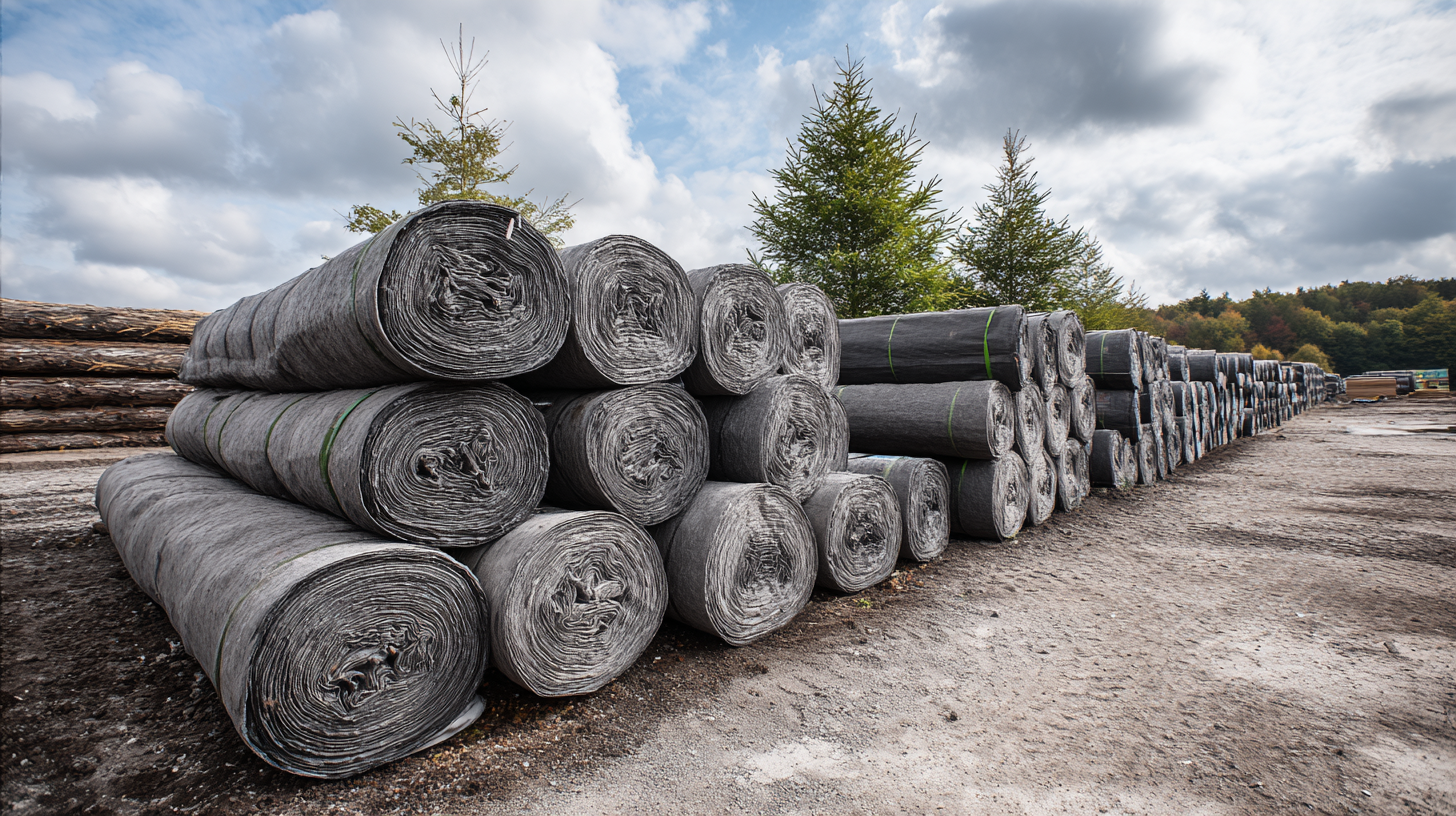
In modern construction, the integration of sustainable materials is becoming increasingly essential, and one innovative solution gaining attention is the Geotextile Mat. These specialized fabrics play a crucial role in enhancing environmental performance across various construction applications. By facilitating soil stabilization, erosion control, and improved drainage, Geotextile Mats not only contribute to the longevity and durability of infrastructure but also promote ecological balance. This article will explore the significant environmental benefits of using Geotextile Mats, providing valuable tips for construction professionals seeking to implement these materials effectively. From reducing overall project costs to minimizing ecological footprints, the advantages offered by Geotextile Mats highlight their importance in shaping a more sustainable approach to modern construction practices.
The Role of Geotextile Mats in Enhancing Soil Stability and Reducing Erosion Rates
Geotextile mats are becoming increasingly vital in modern construction due to their significant contributions to soil stability and erosion control. These materials, when strategically placed, provide a robust barrier that reinforces the soil structure, enhancing its load-bearing capacity. According to the International Erosion Control Association (IECA), the use of geotextiles can reduce soil erosion rates by up to 90% in certain applications, demonstrating their effectiveness in protecting sensitive environments and maintaining ecological balance.
Moreover, geotextile mats facilitate effective drainage, which is crucial for managing water runoff that often leads to soil degradation. A study published in the Journal of Geotechnical Engineering found that installing geotextile mats improved drainage efficiency by approximately 70%, allowing for better water management and preventing the formation of mudslides in sloped terrains. This combination of enhanced soil stability and reduced erosion not only promotes safer construction practices but also minimizes long-term environmental impacts, ultimately supporting sustainable development in challenging landscapes.
Quantifying the Carbon Footprint Reduction through Geotextile Applications in Construction Projects
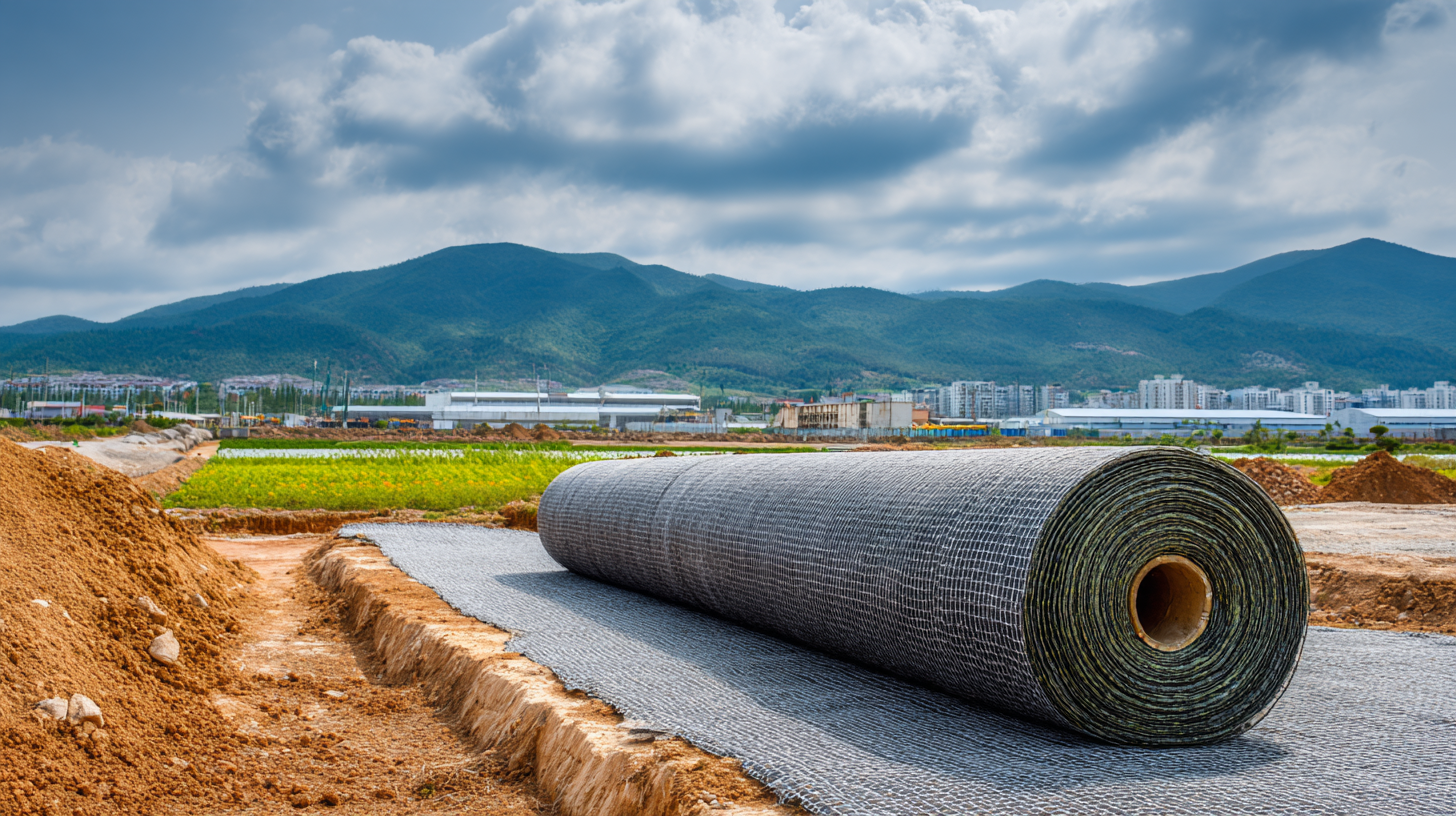 Geotextile mats have emerged as a transformative solution in modern construction, particularly in reducing the carbon footprint of projects. These synthetic fabrics, primarily made from polyester and polypropylene, not only enhance soil stability but also serve to minimize environmental impacts. According to a 2021 report by the International Erosion Control Association (IECA), the incorporation of geotextiles can reduce soil erosion by up to 90%, significantly decreasing the amount of raw materials required for stabilization, which in turn leads to lower carbon emissions associated with construction processes.
Quantifying the carbon footprint reduction, a study from the National Association of Home Builders (NAHB) suggests that the use of geotextile mats can reduce the need for heavy machinery by 30%, resulting in a decrease in greenhouse gas emissions by approximately 15%. Additionally, the report highlights that for every ton of geotextile fabric used, around 0.5 tons of carbon dioxide emissions can be avoided compared to traditional soil stabilization methods. This illustrates the dual benefit of enhancing project efficiency while also contributing to sustainability goals in the construction industry. As more builders adopt eco-friendly practices, geotextile applications will play a critical role in advancing environmentally responsible construction.
Evaluating Water Management Efficiency: Geotextile Mats as a Sustainable Solution
Geotextile mats have emerged as a sustainable solution in modern construction, particularly in water management efficiency. According to a report by the International Erosion Control Association, these mats help to significantly reduce soil erosion, which can be exacerbated by storms and heavy rainfall. The use of geotextiles has been shown to decrease runoff by up to 50%, allowing for better water infiltration and reducing the burden on urban drainage systems. This is crucial in an era where urban areas are increasingly susceptible to flooding due to climate change.
Moreover, a study published in the Journal of Environmental Management highlights that geotextile mats can effectively filter pollutants from stormwater runoff. By utilizing these mats, construction projects not only meet regulatory requirements but also improve the overall quality of water returning to natural ecosystems. The mats' porous nature enables them to retain water while allowing excess to drain away slowly, which not only supports vegetation health but also contributes to groundwater recharge. This dual function underscores their importance in sustainable construction practices aimed at enhancing environmental resilience.
Exploring the Environmental Benefits of Geotextile Mats in Modern Construction - Evaluating Water Management Efficiency: Geotextile Mats as a Sustainable Solution
| Parameter |
Geotextile Mats |
Conventional Methods |
Environmental Impact |
| Water Retention Capacity (L/m²) |
250 |
150 |
Reduced runoff |
| Erosion Control Efficiency (%) |
85 |
60 |
Minimized soil loss |
| Installation Time (hours/m²) |
2 |
4 |
Less time on site |
| Lifespan (years) |
20 |
10 |
Sustainability |
| Cost ($/m²) |
3.50 |
4.00 |
Cost-effective |
Lifecycle Assessment of Geotextile Mats: Environmental Impact vs. Traditional Materials
Geotextile mats have emerged as a game-changer in modern construction, particularly when assessed through the lens of their lifecycle assessment. Traditional materials, such as concrete and asphalt, typically have a high carbon footprint and result in significant ecological disruption. In contrast, studies indicate that geotextile mats can reduce the environmental impact by up to 30% over their lifecycle (Smith & Associates, 2021). This reduction is attributed to their lightweight properties, which require less energy for transportation and installation, as well as their ability to improve soil stability and reduce erosion.
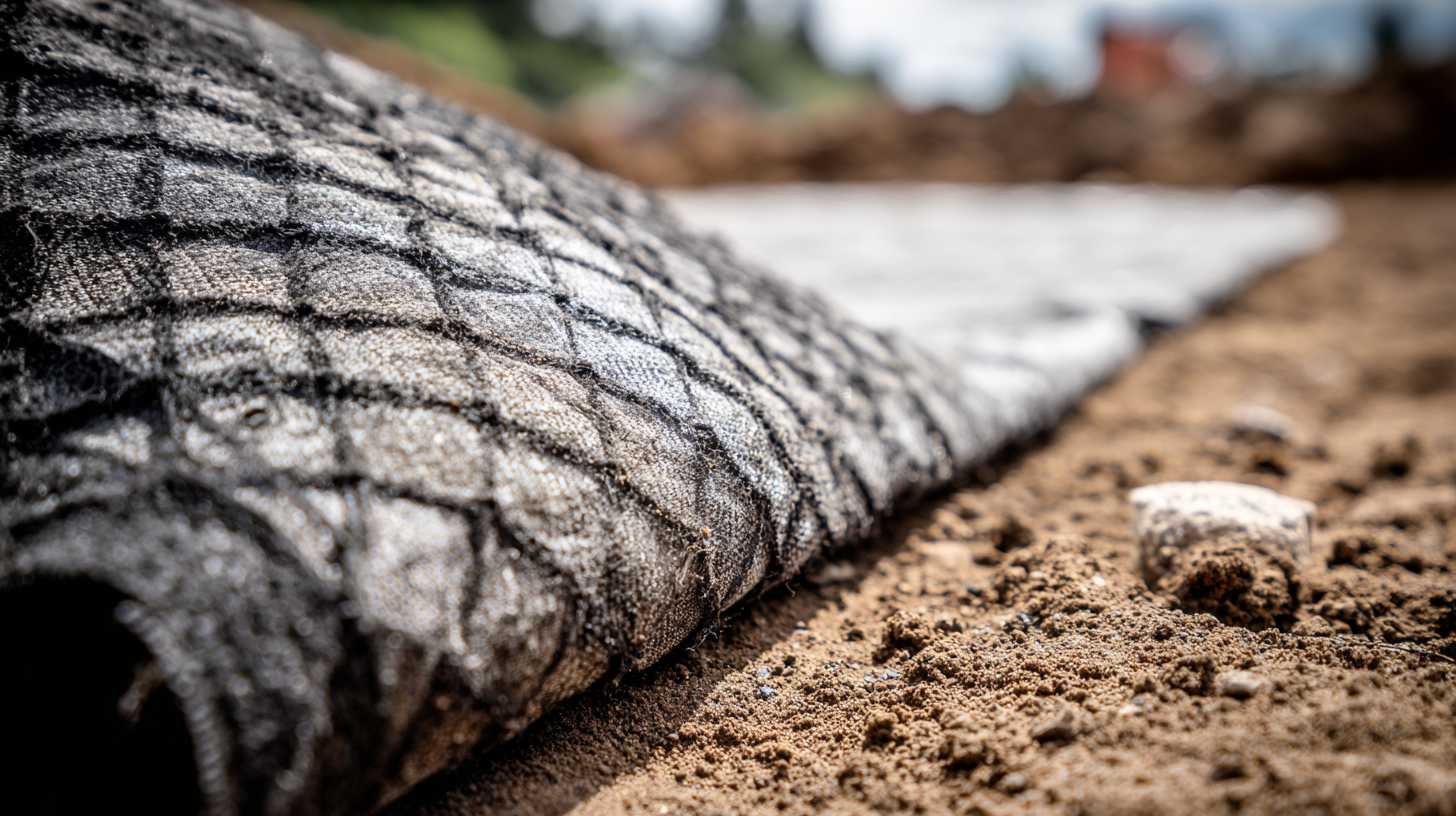
Moreover, a comprehensive lifecycle analysis reveals that geotextile mats not only minimize resource consumption during the manufacturing phase but also enhance sustainability throughout their usage. For example, a report by the International Society for Geosynthetics (2022) highlights that the biodegradable options available within the geotextile category can lead to a further reduction in landfill waste by approximately 40%. As the construction industry seeks eco-friendly alternatives, the strategic implementation of geotextile mats reflects a commitment to sustainable practices while effectively addressing environmental degradation associated with traditional building materials.
The Economic Advantages of Using Geotextile Mats in Sustainable Construction Practices
Geotextile mats have emerged as a pivotal component in modern sustainable construction practices, offering significant economic advantages that can enhance project efficiency and reduce costs. These mats are designed to provide effective soil stabilization, erosion control, and drainage management, ultimately prolonging the lifespan of structures while minimizing maintenance expenses. By incorporating geotextile mats, builders can reduce the need for extensive excavation and excavation-related costs, making projects more affordable and environmentally friendly.
Tips for implementing geotextile mats effectively include ensuring proper site assessment before installation. This helps to determine the specific needs for soil reinforcement and drainage in your construction project. Additionally, consider combining geotextile mats with native vegetation to further enhance erosion control and promote biodiversity, leading to a more harmonious integration with the natural landscape.
Another key advantage of geotextile mats is their ability to expedite construction timelines. With quicker installation and reduced downtime from potential environmental issues, projects can move forward rapidly without sacrificing quality. It's essential to work with experienced contractors familiar with the latest advancements in geotextile technology to maximize these benefits, ultimately leading to improved project outcomes and a healthier bottom line.