2026 How to Use Geotextile Tape for Effective Landscaping and Drainage
Geotextile tape is transforming landscaping and drainage practices. As the demand for efficient land management grows, industry reports indicate that using geotextile products can reduce erosion by up to 70%. This statistic highlights the importance of innovative solutions in agriculture and construction.
Dr. Emily F. Lane, a leading expert in soil stabilization, emphasizes the benefits of geotextile tape: "Using geotextile tape can significantly enhance water management and soil integrity." This statement reflects the broader industry trend toward sustainability. Landscape architects are now integrating geotextile materials for optimal drainage solutions.
In practice, geotextile tape not only provides stability but also contributes to ecological balance. However, it’s important to understand that improper installation can lead to issues. The industry has seen cases where incorrect application resulted in water pooling, undermining the tape's effectiveness. Reflecting on these challenges is essential for professionals committed to excellence in landscaping and drainage.
Understanding Geotextile Tape: Types and Applications in Landscaping
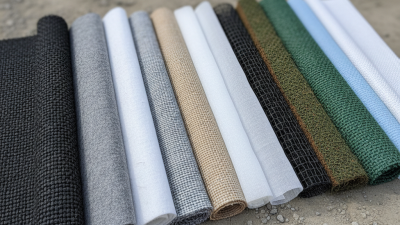
Geotextile tape is a versatile tool in landscaping, aiding both drainage and plant health. It comes in various types: woven, non-woven, and composite. Each type serves unique purposes. For example, woven geotextiles support soil stabilization. In contrast, non-woven types excel at filtration and drainage. According to industry reports, the use of geotextiles can improve soil water retention by up to 40%.
When applying geotextile tape, understanding the landscape's needs is crucial. Proper installation can prevent soil erosion and promote healthy plant growth. However, improper use can lead to water pooling and plant stress. A study from the Geosynthetic Institute indicated that incorrect installation affects 30% of landscaping projects. This highlights the importance of detailed planning and execution.
Visualizing the application is essential. Imagine a flower bed surrounded by geotextile tape, keeping weeds at bay. The aesthetics improve while functionality enhances drainage. However, not all tapes are created equal. Testing the site’s soil and moisture levels can prevent costly mistakes. Each landscape project is unique, demanding a tailored approach to geotextile tape use.
The Role of Geotextile Tape in Soil Stabilization and Erosion Control
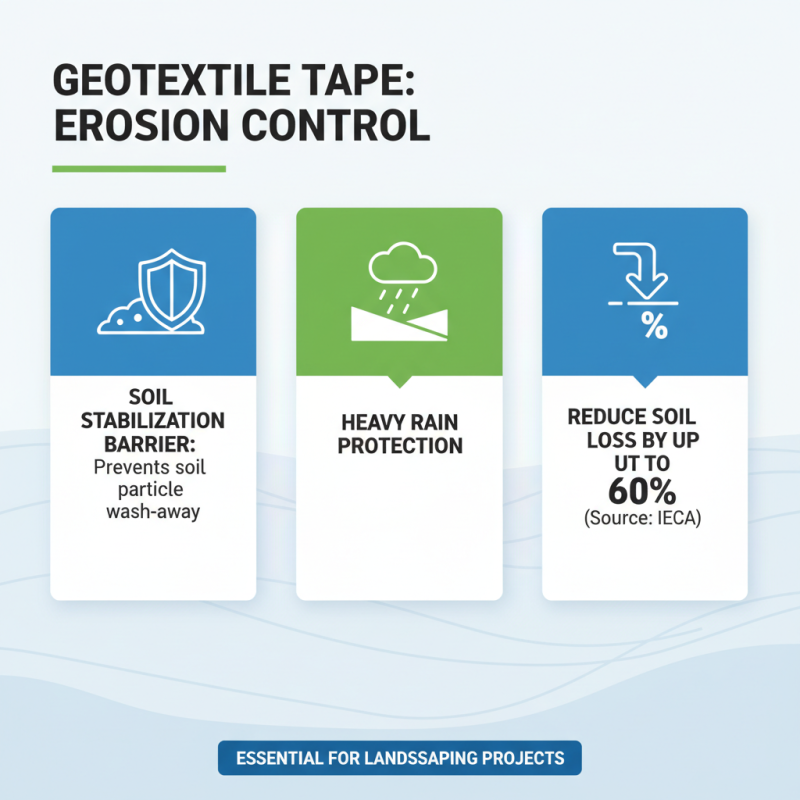
Geotextile tape plays a crucial role in soil stabilization and erosion control. It serves as a barrier, preventing soil particles from washing away during heavy rain. According to the International Erosion Control Association, effective erosion control methods can reduce soil loss by up to 60%. This statistic highlights how essential geotextile tape is in landscaping projects.
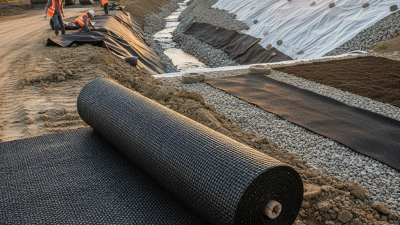
When applied properly, geotextile tape can enhance the structural integrity of soil. Its ability to separate different soil layers improves drainage and prevents ground instability. A study by the Federal Highway Administration shows that using geotextile materials can increase the lifespan of pavements by more than 30%. This goes to show that investing in geotextile tape not only protects the soil but also positively impacts the surrounding infrastructure.
However, not every application of geotextile tape is flawless. Poor installation can lead to inadequate soil reinforcement. Environmental factors, like excessive moisture or temperature fluctuations, can also weaken its effectiveness over time. Reflecting on these challenges, it’s critical to consider proper techniques and expert guidance when implementing geotextile tape for landscaping and drainage solutions.
Best Practices for Installing Geotextile Tape in Drainage Systems
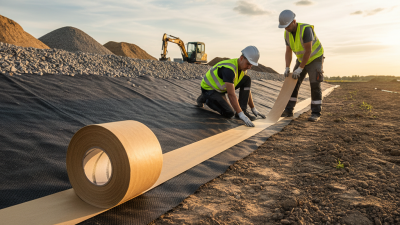
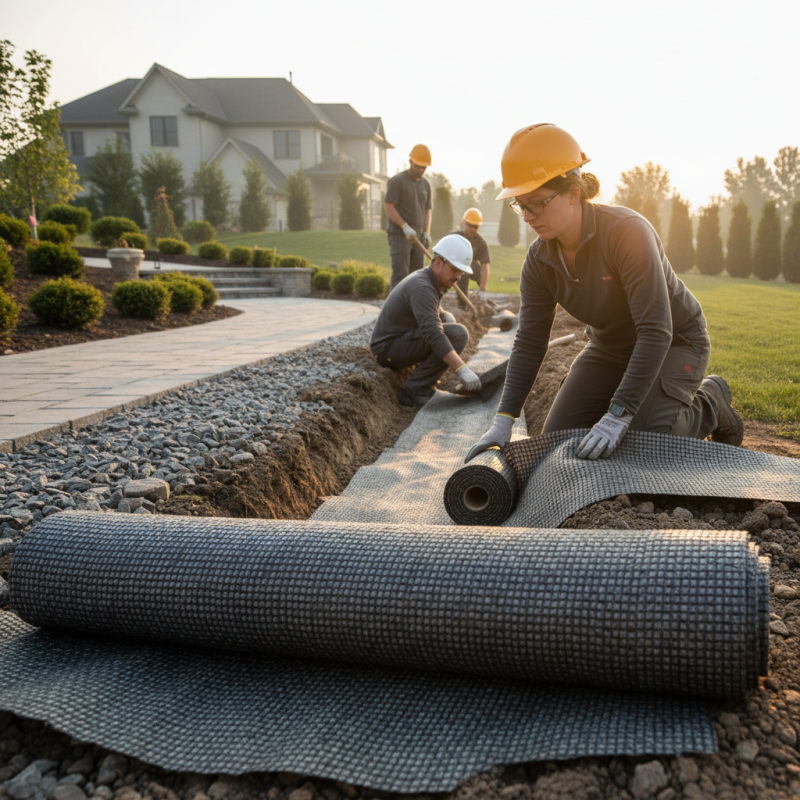
When installing geotextile tape for drainage systems, precision is key. Begin by assessing the area where drainage is needed. Ensure the ground is leveled and free of debris. Cut the geotextile tape to the appropriate length for your project. This may require some trial and error to get it just right. Accuracy matters. If it's too short, you might face leaks.
Next, lay the tape with the correct side facing down. Overlap the edges slightly to prevent water seepage. Anchoring the tape can be tricky; using landscape staples may help. However, placing the staples too close could puncture the tape. Take your time and make adjustments as needed. It's not uncommon to find areas that need reworking later.
Also, consider the drainage slope. A gentle slope works best to ensure water flows freely. If you miss this detail, erosion can occur. Remember, drainage systems are long-term solutions. Regular checks on the setup can improve performance. A small oversight can lead to significant issues over time. Keeping an eye on your installation will pay off in the long run.
Evaluating Geotextile Tape Performance: Industry Standards and Testing Data
When evaluating the performance of geotextile tape, it's essential to consider industry standards and testing data. The right tape can significantly enhance landscaping and drainage projects. Tests often focus on tensile strength, permeability, and durability. These factors determine how well the tape will perform in various soil conditions. Knowing how to read these metrics is crucial before making a decision.
Tips: Always check for customer reviews or third-party test data. Sometimes, marketing claims can be misleading. Look for independent studies that evaluate the tape’s long-term performance.
Performance can vary based on the environment. For example, extreme weather can test the limits of the tape. In wet conditions, poor choice could lead to drainage failures or landscape erosion. Conducting thorough assessments in similar conditions can highlight potential weaknesses.
Tips: Take time to observe how geomaterials interact with the tape over time. This observation can provide insights into its reliability. Not every tape will be suitable for your specific needs. So, trial and error may be necessary.
2026 How to Use Geotextile Tape for Effective Landscaping and Drainage - Evaluating Geotextile Tape Performance: Industry Standards and Testing Data
| Metric |
Description |
Value |
Unit |
| Tensile Strength |
Maximum load a geotextile tape can withstand |
450 |
N |
| Elongation at Break |
Stretch capability before failure |
20 |
% |
| UV Resistance |
Ability to withstand UV exposure |
90 |
% |
| Water Permeability |
Rate of water flow through the material |
120 |
mL/s |
| Durability Rating |
Resistance to physical degradation |
4 |
/5 |
Cost-Effectiveness of Using Geotextile Tape for Landscaping Projects
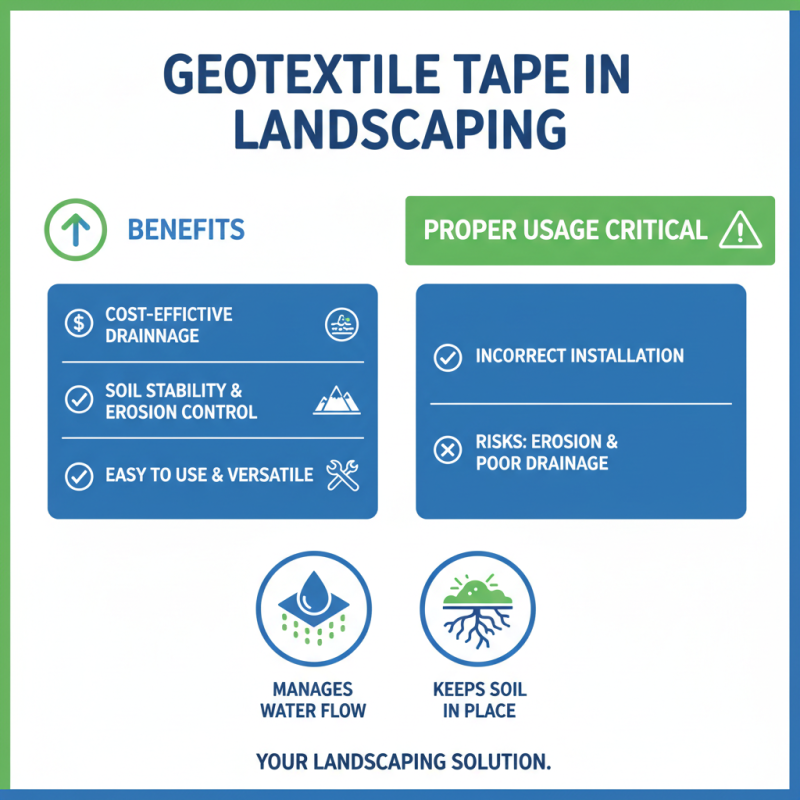
Geotextile tape is becoming popular in landscaping. It provides cost-effective solutions for drainage and soil stability. This tape helps manage water flow and keeps soil in place. Many landscapers see great value in its versatility and ease of use. However, using it incorrectly can lead to issues like soil erosion and inadequate drainage.
When incorporating geotextile tape, consider the following tips. Be sure to measure the area accurately before application. Cut the tape to size for a better fit. Additionally, apply the tape on a flat surface for maximum effectiveness. Overlapping seams can result in water pooling, so careful placement is crucial.
Some projects may not turn out as expected. If not properly installed, the tape can become ineffective or even damaged. Regular inspections can help identify problems early on. Adjust your approach as needed. Investing time in research can save money and headaches in the long run. Proper utilization can enhance your landscaping while remaining budget-friendly.