Geotech Fabric Tips for Choosing the Best Material?
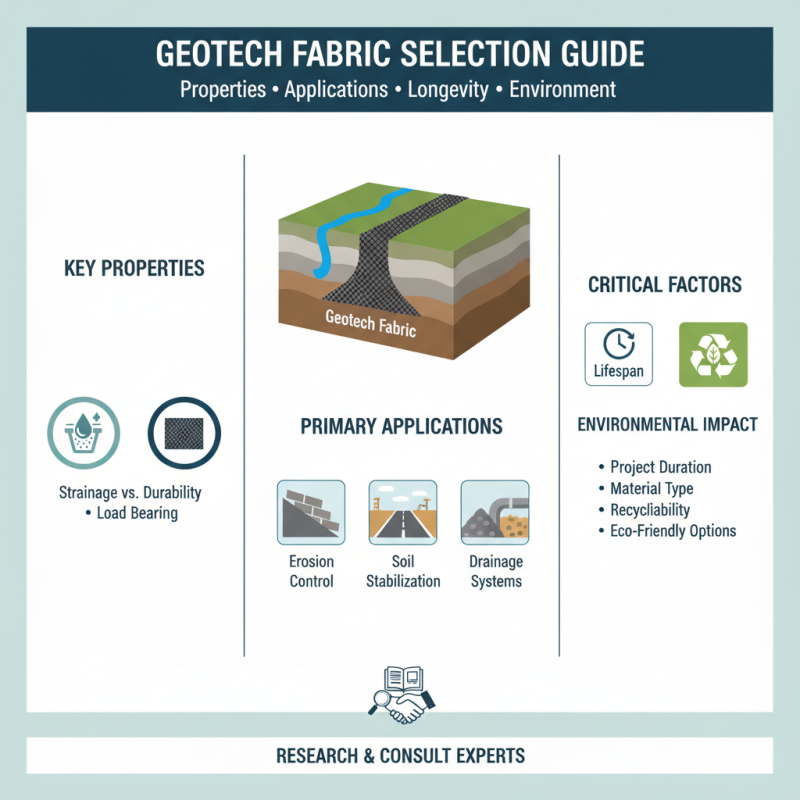
When selecting the right Geotech Fabric, understanding its properties is vital. Dr. Emily Carter, a leading expert in geotechnical engineering, once stated, “Choosing the right Geotech Fabric influences the longevity of your project.” This highlights the critical nature of this decision.
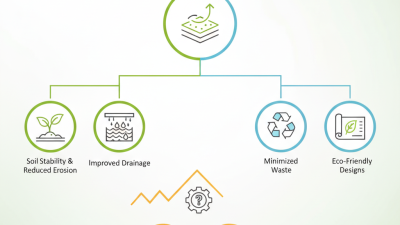
Geotech Fabric serves various applications, from erosion control to soil stabilization. Not all fabrics are created equal, as different projects require specific properties. For instance, permeable fabrics work well in drainage situations. Conversely, non-permeable options excel in groundwater protection.
Some commonly overlooked factors include the fabric's lifespan and environmental impact. Choosing a fabric without assessing these aspects can lead to challenges later. It's essential to research and consult experts. Engaging with professionals can provide deeper insights. Proper selection heralds a project’s success and efficiency.
Understanding Geotech Fabrics: Types and Applications
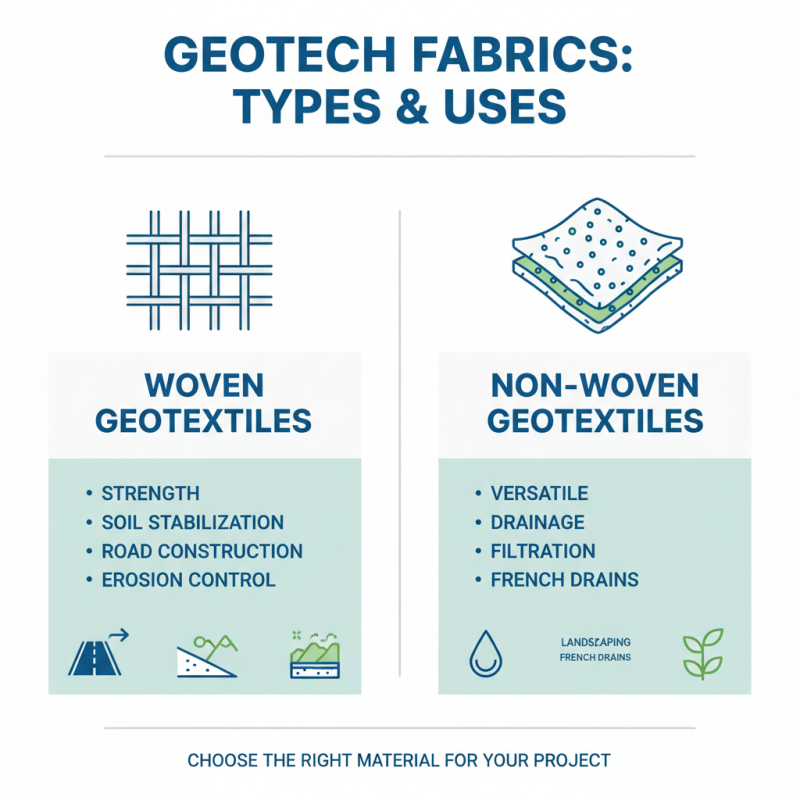
Geotech fabrics play a crucial role in various applications, from construction to landscaping. Understanding the different types can help you choose the right material for your specific needs. There are primarily woven and non-woven geotech fabrics. Woven fabrics offer strength, making them ideal for soil stabilization. Non-woven fabrics are versatile and commonly used for drainage and filtration.
When selecting a geotech fabric, consider the project requirements. Evaluate factors like soil type, water flow, and strength needs. Ensure the fabric's permeability matches your drainage goals. Look for durability; a fabric that degrades quickly is not a wise investment.
Here are some tips: always assess the environment where the fabric will be used. Not all fabrics work well in every location. Test your chosen fabric on a small scale before full implementation. These steps can save you time and resources. Remember, the right geotech fabric makes a significant difference in project success.
Key Factors to Consider When Selecting Geotech Fabrics
When selecting geotech fabrics, several key factors come into play. The type of project greatly influences your choice. For instance, a construction site may require stronger materials than a landscaping project. In 2021, a study from the International Geosynthetics Society revealed that nearly 65% of all construction failures are linked to poor material selection.
Soil conditions are another crucial aspect. Understanding the soil type and its characteristics will help determine the right fabric. For example, sandy soils may require different drainage solutions compared to clay soils. The same study also noted that around 30% of projects faced issues due to improper assessment of environmental factors.
Lastly, consider the longevity and durability of the fabric. Some materials may withstand harsh conditions better than others. In fact, a report from Geosynthetic Materials Association showed that high-quality fabrics can last over 50 years in certain environments, while inferior options may deteriorate within a few years. This highlights the importance of thorough research when making your choice.
Comparing Properties of Common Geotech Fabric Materials
When selecting geotech fabrics, understanding the properties of different materials is crucial. For instance, woven geotextiles offer excellent tensile strength, making them suitable for applications requiring high load-bearing capacity. Reports indicate that woven types can exhibit strengths ranging from 100 to 600 pounds per inch. This variability is significant when dealing with challenging terrains.
Non-woven geotextiles, on the other hand, excel in filtration and drainage. Their random fiber orientation allows for high water flow rates, often exceeding 100 gallons per minute. However, they may not provide the same durability against mechanical stresses. A well-cited study highlighted that while non-woven fabrics are effective for drainage, they can deteriorate faster in exposed conditions.
Consider the environmental factor too. Some materials degrade under UV exposure faster than others. It leads to a need for frequent inspections. A frequent finding was that certain geotech fabrics lose significant strength after just a few months in sunlight. The decision-making process should consider these properties carefully to avoid unexpected failures. Each type of geotech fabric brings strengths and weaknesses that must align with project needs.
Best Practices for Installing Geotech Fabrics in Projects
When installing geotech fabrics, proper practices are essential. These materials are designed to enhance drainage, control erosion, and separate materials effectively. An industry report shows that using high-quality geotech fabric can reduce soil erosion by up to 60%. This statistic highlights the material's effectiveness when installed correctly.
Preparation is critical before installation. Issues like soil compaction can lead to unforeseen problems. A recent study indicates that nearly 30% of geotechnical failures result from poor preparation. Ensure that the site is level and free from debris. This attention to detail can prevent costly failures later on.
Placement matters, too. Overlapping fabrics is a common mistake; however, a minimum overlap of 12 inches is recommended. This ensures water does not seep underneath the layers. If improperly installed, the fabric may get punctured, leading to soil mixing and erosion. Regular inspections during the installation process can mitigate these risks. Awareness of potential issues will improve project outcomes significantly.
Geotech Fabric Tips for Choosing the Best Material
| Material Type |
Weight (g/m²) |
Permeability (cm/s) |
Durability (Years) |
Common Applications |
| Woven Geotextile |
150 |
0.1 |
10 |
Separation, Reinforcement |
| Non-Woven Geotextile |
120 |
0.05 |
15 |
Filtration, Drainage |
| Geogrid |
200 |
0.2 |
20 |
Stabilization, Reinforcement |
| Geocomposite |
180 |
0.15 |
12 |
Drainage, Erosion Control |
Maintenance and Longevity of Geotech Fabrics: Tips and Guidelines
When it comes to geotech fabrics, maintenance is key. Regular inspections can help identify issues early. Look for signs of wear, such as fraying or discoloration. You might find tears or punctures that need immediate attention. If the fabric is in direct contact with soil or water, check for any sediment buildup. Cleaning the fabric can prevent clogs and enhance durability.
Longevity can be influenced by proper installation. Ensure the fabric is laid out smoothly without wrinkles. Over time, exposure to UV rays can weaken materials. Consider protective coverings if the fabric is in a sunny location. A common issue is neglecting the edges. Ensure they are secured to prevent shifting or lifting. This can lead to bigger problems down the line. Remember, maintenance is not just a task but a routine. Regular care can significantly extend the life of your geotech fabric.
Geotech Fabric Maintenance and Longevity Analysis