Top 10 Tips for Choosing the Right BPM Geomembrane?
Selecting the right BPM geomembrane can profoundly impact project outcomes, particularly in sectors like waste management, water containment, and agricultural applications. According to the Geosynthetic Institute, improper material selection can lead to significant long-term costs, with estimates suggesting that 30% of project failures stem from these choices. Experts highlight the importance of durability and compatibility in geomembrane selection, ensuring they withstand environmental conditions.
Dr. Jane Smith, a leading authority in geomembranes, emphasizes, “Choosing the right BPM geomembrane is critical. It can save resources and time.” Her insights underline the necessity of evaluating specific project needs such as soil type, climate, and regulatory standards. While many assume that cost is the dominant factor, it's crucial to consider the long-term implications of low-quality materials.
The geomembrane market is complex, with diverse products that can complicate decision-making. Make sure to gather sufficient information before making a choice. It's essential to acknowledge that even experienced professionals can overlook critical factors. Taking the time to reflect on specifications and requirements will lead to better decision-making and project success.
Understanding Geomembranes and Their Applications
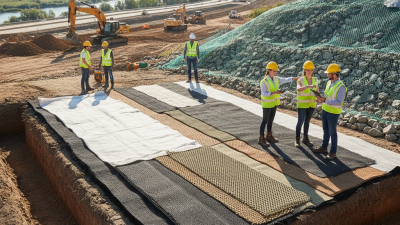
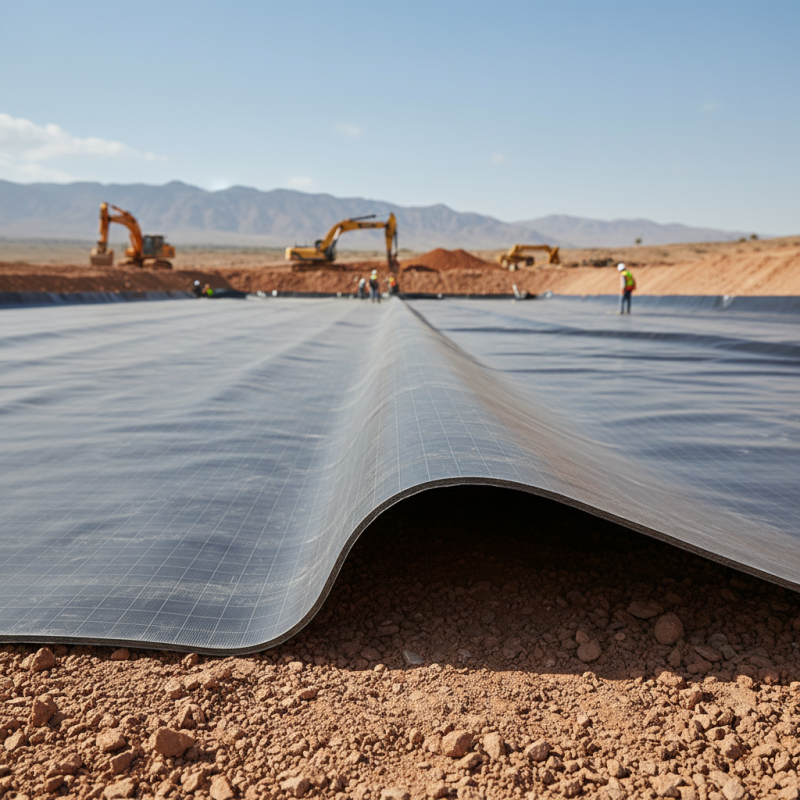
Geomembranes play a crucial role in various industries. They are designed to control fluid migration in a multitude of applications.
Landfills, waterways, and mining operations often rely on these materials for effective containment solutions. Understanding their function is key to making an informed choice.
The types of materials used for geomembranes can vary widely. Common options include HDPE and LLDPE. Each material has distinct characteristics, such as flexibility and puncture resistance. These differences can significantly impact performance.
Choosing the wrong type can lead to costly failures.
Applications of geomembranes extend beyond just containment. They can also support environmental sustainability. For example, they help manage stormwater runoff effectively.
However, selecting the right geomembrane requires careful consideration of site-specific conditions. Factors like soil type and climate must be evaluated.
Users sometimes overlook these details, leading to unexpected challenges.
Key Factors to Consider When Selecting BPM Geomembranes
Choosing the right BPM geomembrane involves several key factors. The first important aspect is
thickness. Thickness affects durability and resistance to punctures. A thicker geomembrane generally provides better protection against leaks and environmental stress. However, it can also be harder to handle and install. It's essential to find a balance between thickness and manageability.
Another critical factor is chemical resistance. BPM geomembranes must withstand various chemicals in applications like waste containment. Different geomembranes offer varying degrees of resistance. Evaluating the specific chemicals involved in your project is vital. Overlooking this detail could lead to significant problems down the line.
Temperature tolerance plays a role too. Some geomembranes perform poorly in extreme temperatures. Assessing your local climate is crucial. In colder regions, geomembranes might become brittle. In hotter areas, they may degrade faster. The wrong choice can lead to unexpected failures. Additionally, consider installation methods. Compatibility with your chosen installation technique can save time and reduce costs. Each factor matters in ensuring a successful geomembrane selection.
Evaluating Material Properties for Optimal Performance
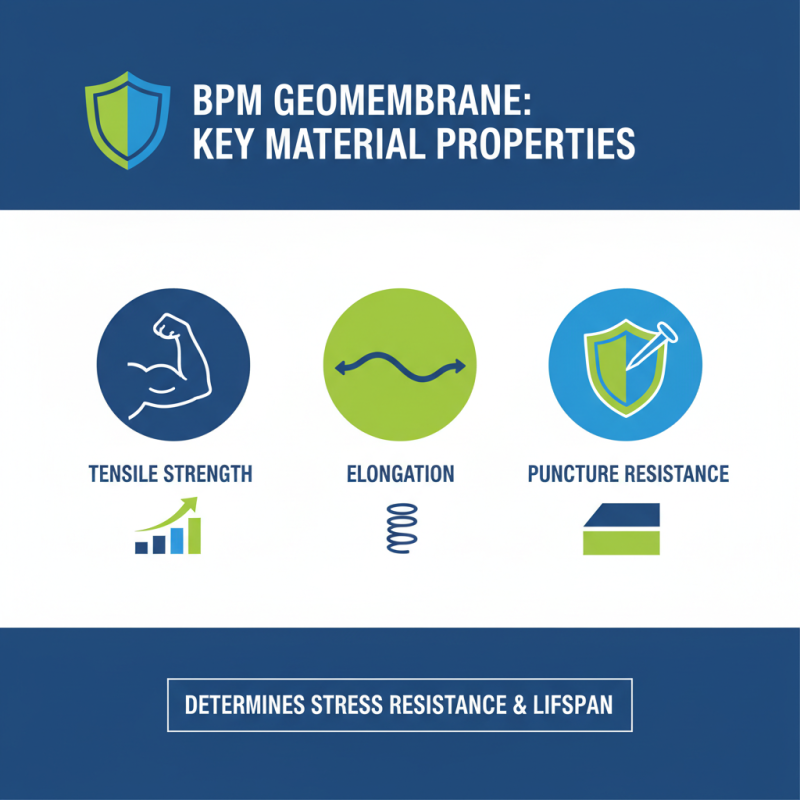
When selecting a BPM geomembrane, understanding material properties is crucial. The performance of geomembranes is tied to various factors. Key properties to evaluate include tensile strength, elongation, and puncture resistance. These attributes determine how well the material will withstand stress and prolong its lifespan in different conditions.
Another aspect to consider is thermal stability. High temperatures can lead to deformation. Conversely, low temperatures might cause brittleness. Choosing a material with proven resistance to thermal extremes will ensure better durability. Additionally, consider compatibility with the environment. Some geomembranes may not perform well in certain chemical exposures, which can lead to unexpected failures.
It's essential to assess the thickness of the geomembrane too. While thicker layers often offer better protection, they may also be more challenging to install. Therefore, striking a balance between protection and practicality is vital. There's often a trade-off involved, which can lead to second-guessing your decision. Evaluating each property in the context of your project can ensure optimal performance in the long run.
Assessing Environmental Conditions and Project Requirements
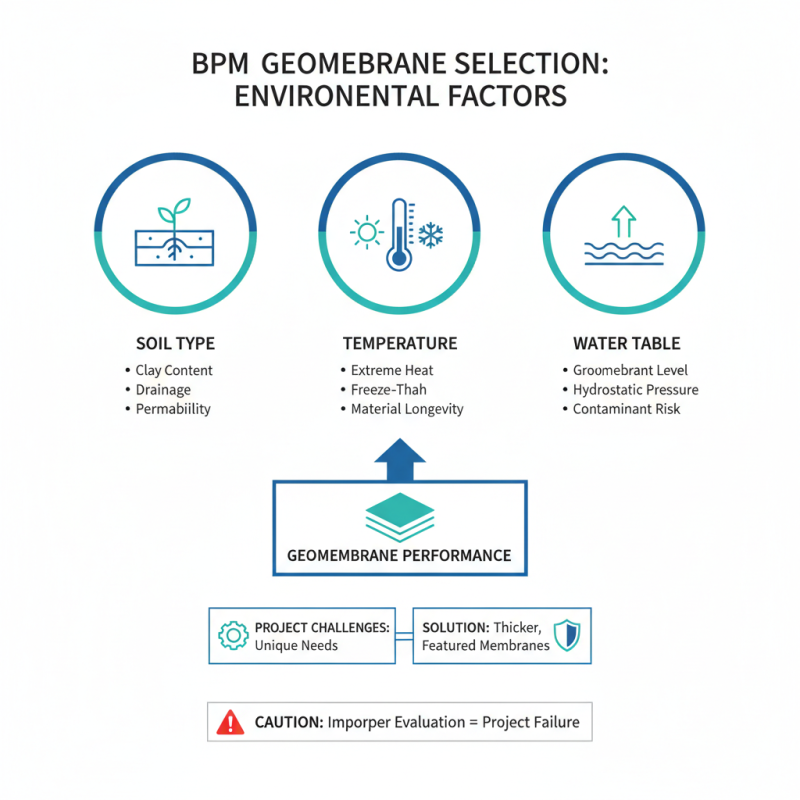
When selecting the right BPM geomembrane, assessing environmental conditions is crucial. Factors like soil type, temperature, and water table levels significantly impact performance. Some projects may require additional features to handle unique challenges. For example, high clay content can affect drainage and require thicker geomembranes. Improper evaluation could lead to project failure.
Understanding project requirements is equally important. Consider the intended use of the geomembrane. Is it for landfill, pond lining, or a wastewater treatment facility? Each application has different requirements. A geomembrane designed for one purpose may not meet another's standards. Factors like chemical resistance also matter. Not all geomembranes perform well under harsh conditions.
Moreover, neglecting to consider potential future conditions can result in costly changes later. For instance, the effects of climate change might influence water levels and soil stability. Reflecting on these aspects early in the planning phase can save time. Prioritizing proper assessments will lead to better choices in geomembrane selection.
Cost vs. Quality: Making an Informed Decision on BPM Geomembranes
When it comes to choosing BPM geomembranes, the balance between cost and quality is crucial. A lower price may tempt you, but consider the long-term impact. Cheaper materials can lead to increased maintenance costs and shorter lifespans. An informed decision requires assessing both upfront costs and total life-cycle expenses.
Tip one: Evaluate the material's durability. Look for geomembranes that can withstand environmental stress and chemicals. Lower quality options might fail quickly, leading to costly repairs.
Tip two: Focus on the specific application. Not all geomembranes are suitable for every project. Ensure you select a product designed for your needs. This might mean spending a bit more for better performance.
Be mindful of the warranty. A robust warranty often indicates confidence in quality. However, read the fine print. Some warranties have clauses that could limit your claims. Investing wisely means understanding these details. Making a decision isn’t just about price; it’s also about future costs and reliability.