The Ultimate Guide to Understanding Geotextile Mats and Their Impact on Environmental Protection
As environmental concerns continue to escalate globally, the role of innovative materials in sustainable development becomes increasingly crucial. Among these materials, Geotextile Mats have emerged as a quintessential solution for enhancing soil stability, reducing erosion, and promoting vegetative establishment in various applications. According to the latest report by the Geosynthetic Institute, the geotextile market has been projected to reach a value of $6.5 billion by 2027, underscoring the growing recognition of these materials in environmental protection efforts.
Dr. Emily Carter, a renowned expert in geosynthetics, states, "Geotextile Mat technology offers unique benefits that extend well beyond mere soil reinforcement; they play a critical role in mitigating environmental impacts and supporting ecological resilience." This perspective highlights the multifaceted advantages of Geotextile Mats, which not only contribute to infrastructure stability but also significantly aid in biodiversity conservation and natural resource management.
In this guide, we will delve deeper into the various types of Geotextile Mats, their applications, and how they serve as effective tools in environmental protection initiatives. By examining the current industry data and expert insights, we aim to provide a comprehensive understanding of how these mats can lead to sustainable land management solutions while fostering environmental stewardship.

The Role of Geotextile Mats in Erosion Control: Statistical Insights
Geotextile mats play a critical role in erosion control, acting as a first line of defense against soil degradation in various environmental settings. According to a report by the U.S. Department of Agriculture, the erosion rate on agricultural lands can exceed 7 tons per acre annually, leading to significant loss of topsoil and degrading local ecosystems. Implementing geotextile mats can reduce this erosion by up to 90%, providing a protective barrier that stabilizes soil while allowing for water infiltration.
Further insights from the International Erosion Control Association reveal that geotextile applications effectively reduce runoff and sediment transport. Statistical data indicate that well-designed erosion control installations utilizing geotextile materials can decrease sediment load in nearby waterways by nearly 50%. This reduction is crucial for maintaining water quality, protecting aquatic habitats, and promoting biodiversity. Consequently, the strategic use of geotextile mats represents a sustainable approach to managing erosion while highlighting the importance of implementing industry standards and practices in environmental protection efforts.
Evaluating the Performance of Geotextile Mats in Soil Stabilization Projects
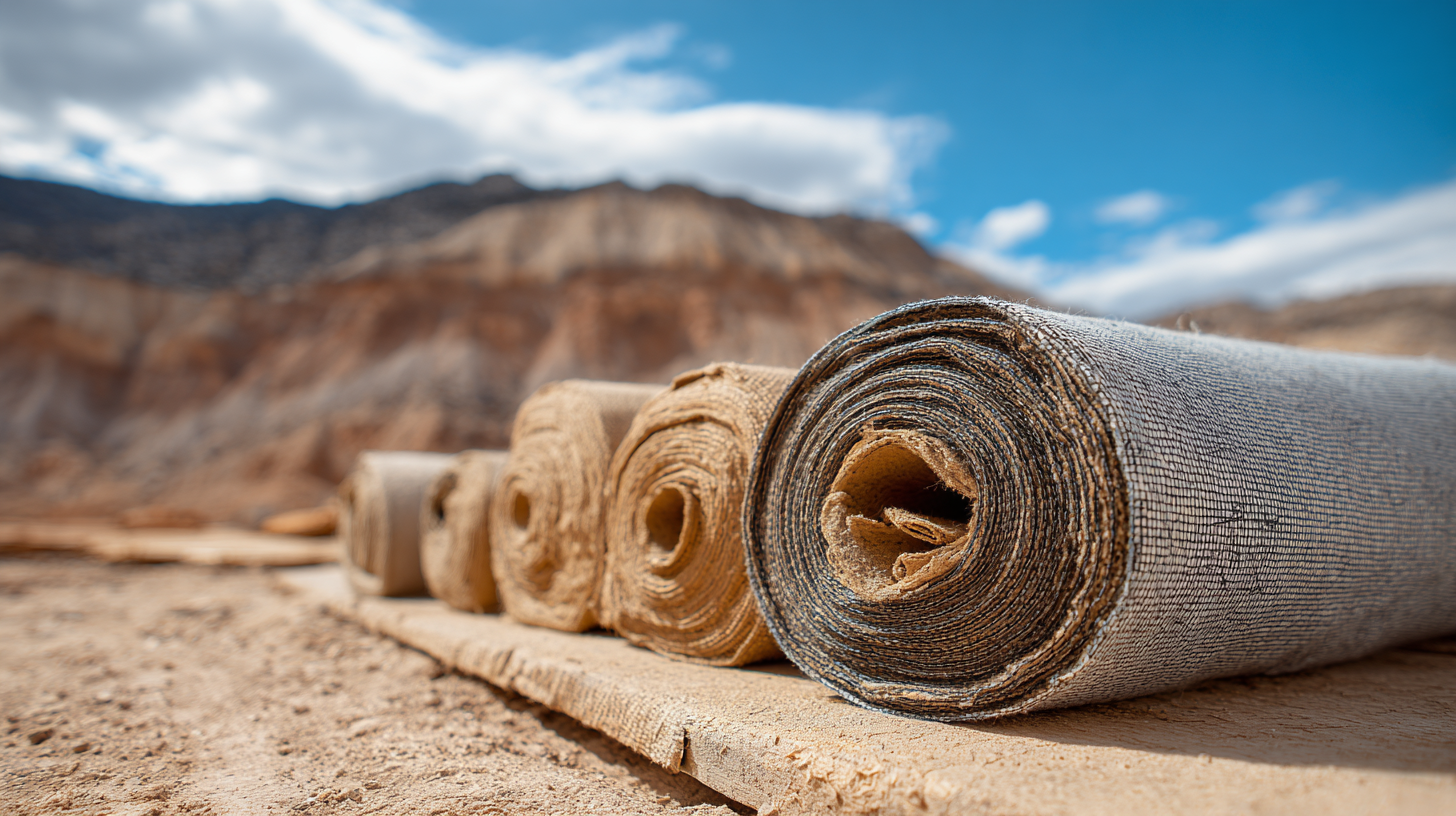 Geotextile mats play a crucial role in soil stabilization projects, providing essential support for various construction and landscaping applications. Recent research focusing on vegetation-wicking geotextiles sheds light on their effectiveness in moisture management and structural stability. These innovative materials not only reduce moisture content in the soil but also enhance the resilient modulus, promoting better performance in projects such as permeable sidewalks. As urban areas face increased rainfall and flooding, the application of geotextile mats becomes increasingly vital for sustainable land management.
Tips: When considering geotextile mats for soil stabilization, ensure that you select a product suited for your specific environmental conditions. Additionally, incorporating vegetation with these mats can further enhance water retention and promote ecological benefits. Lastly, always conduct a field experiment to evaluate the performance of the chosen geotextile materials in real-world applications for optimal results.
Geotextiles in Water Management: Data on Flood Prevention and Control
Geotextiles play a crucial role in water management, particularly when it comes to flood prevention and control. These porous fabrics are designed to enhance soil stability and prevent erosion, which can significantly mitigate the impact of flooding. By allowing water to flow through while providing structural support, geotextile mats help manage excess rainfall and reduce runoff, thereby lessening the risk of flooding in vulnerable areas.
Tip: When selecting geotextiles for flood control, consider the soil type and the specific environmental conditions. Different materials offer varying levels of permeability and tensile strength, which can dramatically affect their effectiveness in specific applications.
In addition to erosion control, geotextiles serve in drainage systems where they can improve water flow by separating soil layers. This is crucial in maintaining the integrity of drainage channels and ensuring efficient water removal during heavy rainfall. Proper installation and maintenance of these mats can enhance their efficacy and longevity, leading to better water management outcomes.
Tip: Regular inspections of geotextiles used in drainage systems are essential. Look for signs of wear or sediment buildup that could reduce their effectiveness and address potential issues before they escalate.
Impact of Geotextile Mats on Biodiversity: Evidence from Environmental Studies
Geotextile mats are increasingly recognized for their significant role in environmental protection, particularly in enhancing biodiversity. Environmental studies have demonstrated that these mats can provide a habitat for various species, promoting soil health and stabilizing ecosystems. By reducing soil erosion and preventing sediment runoff, geotextile mats play a crucial role in maintaining water quality in nearby bodies, which in turn supports aquatic life. Furthermore, the introduction of these mats can encourage plant growth, which promotes a diverse range of insects and other wildlife, ensuring a balanced ecosystem.
**Tips for Utilizing Geotextile Mats:**
When using geotextile mats, ensure they are made from environmentally friendly materials to minimize any potential negative impact. Additionally, proper installation is key—placing mats in areas prone to erosion can significantly boost their effectiveness. Regular monitoring of the surrounding biodiversity will help assess the impact of the mats and inform future landscaping decisions.
In addition to their physical benefits, geotextile mats can aid in restoration projects by providing a foundation for native vegetation, which has been shown to support more diverse wildlife populations. By strategically using these mats, we can not only protect our environment but also foster rich and diverse ecosystems that can thrive for generations.
Cost-Effectiveness of Geotextile Solutions in Sustainable Construction Practices
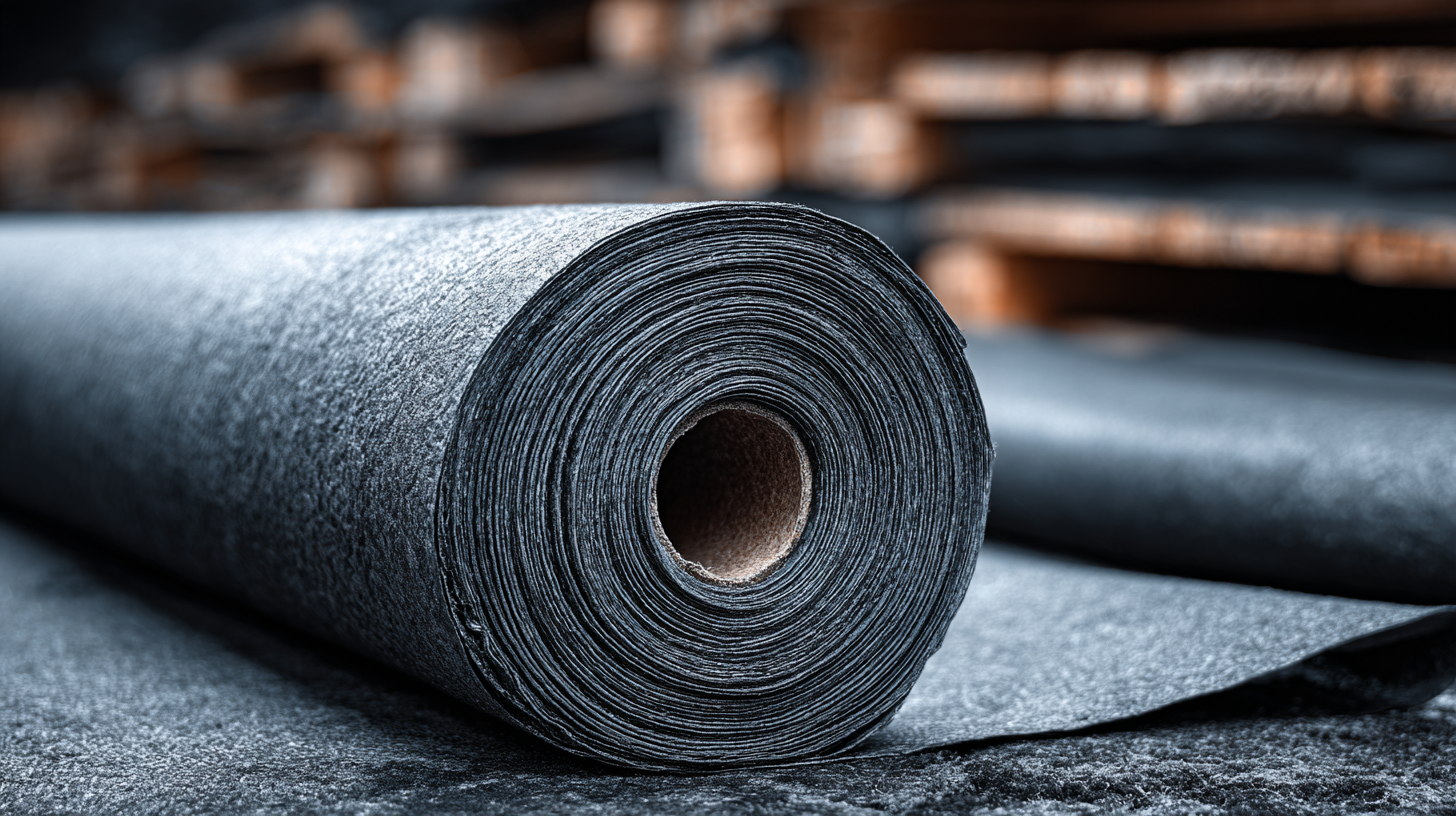
Geotextile mats have emerged as a cost-effective solution in sustainable construction, playing a crucial role in enhancing environmental protection. With the global construction industry aiming to reduce its ecological footprint, the use of geotextiles can significantly lower material costs while ensuring compliance with environmental regulations. A report by the Global Geosynthetics Market estimates that the use of geotextile products can reduce the overall project costs by 20-30% through their efficient management of soil erosion and sediment control. This not only minimizes the need for additional materials but also speeds up the construction process.
Moreover, geotextile solutions contribute to long-term cost savings through their durability and effectiveness in improving soil stability. According to a study published by the International Society for Soil Mechanics and Geotechnical Engineering, geotextiles can extend the lifespan of constructed elements by over 50%, thereby reducing maintenance costs and resource consumption over time. These benefits, coupled with their ability to enhance water management and prevent pollution, position geotextiles as a fundamental component in sustainable construction practices, ensuring that projects are both economically viable and environmentally responsible.
The Cost-Effectiveness of Geotextile Mats in Sustainable Construction Practices


