Unlocking the Power of Geotextile Tape: 5 Key Benefits Backed by Industry Trends and Research Data
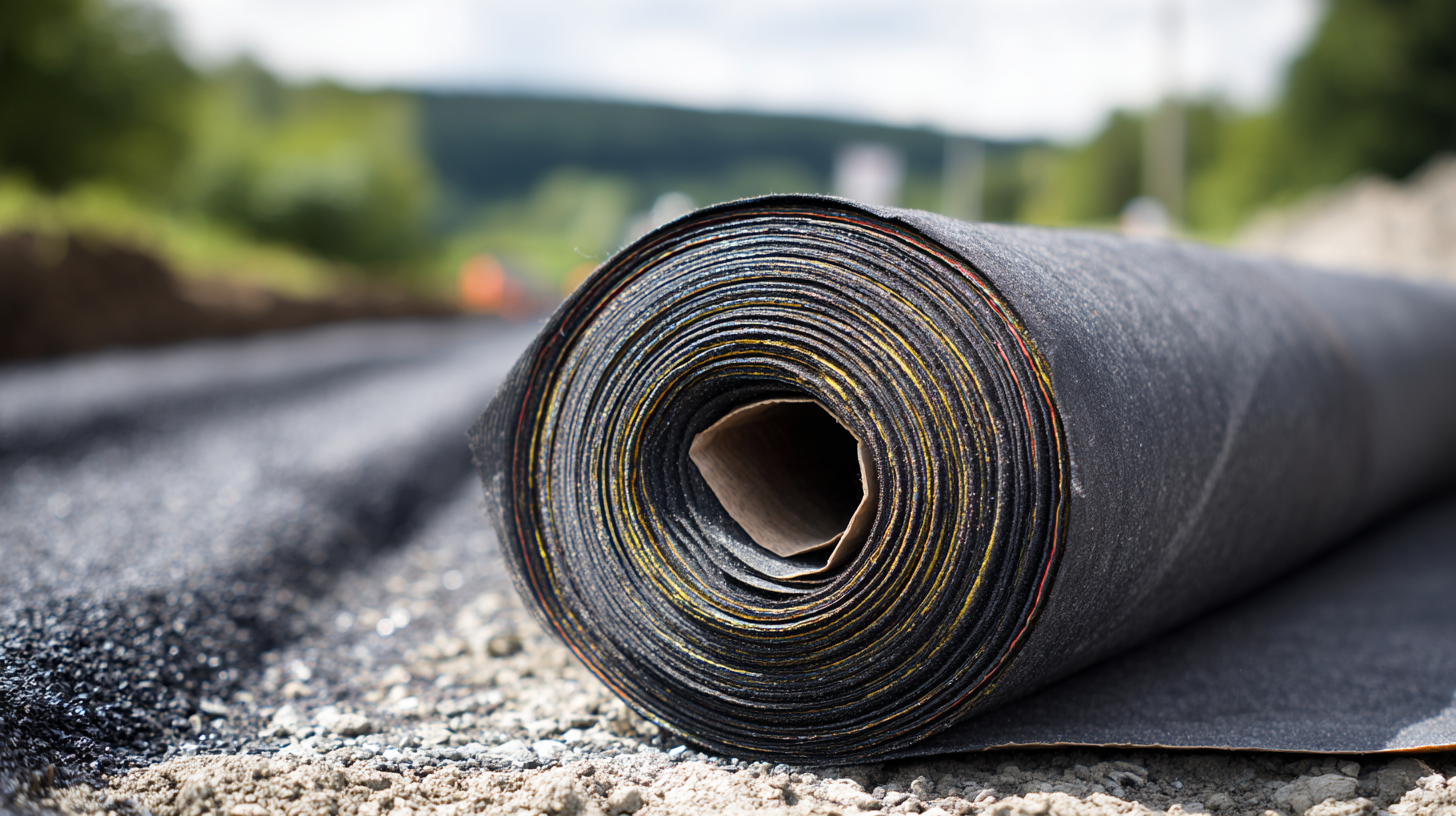 Geotextile Tape has emerged as a revolutionary material in the construction and landscaping industries, providing innovative solutions for various applications. According to a report by Grand View Research, the global geotextiles market size is anticipated to reach USD 13.1 billion by 2025, growing at a CAGR of 8.0%. This trend highlights the increasing demand for high-performance materials that enhance soil stability and drainage. The versatility of Geotextile Tape allows for effective erosion control, separation, and filtration, making it a preferred choice among engineers and contractors.
As construction projects increasingly prioritize sustainability and environmental impact, Geotextile Tape stands out for its ability to provide cost-effective and eco-friendly alternatives to traditional methods. In this article, we will explore five key benefits of Geotextile Tape supported by recent industry trends and research data, illustrating its vital role in modern infrastructure development.
The Versatile Applications of Geotextile Tape in Modern Construction
Geotextile tape has emerged as a revolutionary material in modern construction, particularly in road maintenance and rehabilitation. Its versatility lies in its ability to provide structural support, improve drainage, and enhance the longevity of various construction projects. For instance, the recent innovations in road tape specifically address the common challenge of cracking in hot asphalt applications, showcasing how geotextile tape can directly combat issues faced in the field. This adaptability makes it invaluable for infrastructure projects, where enduring harsh environmental conditions is crucial.
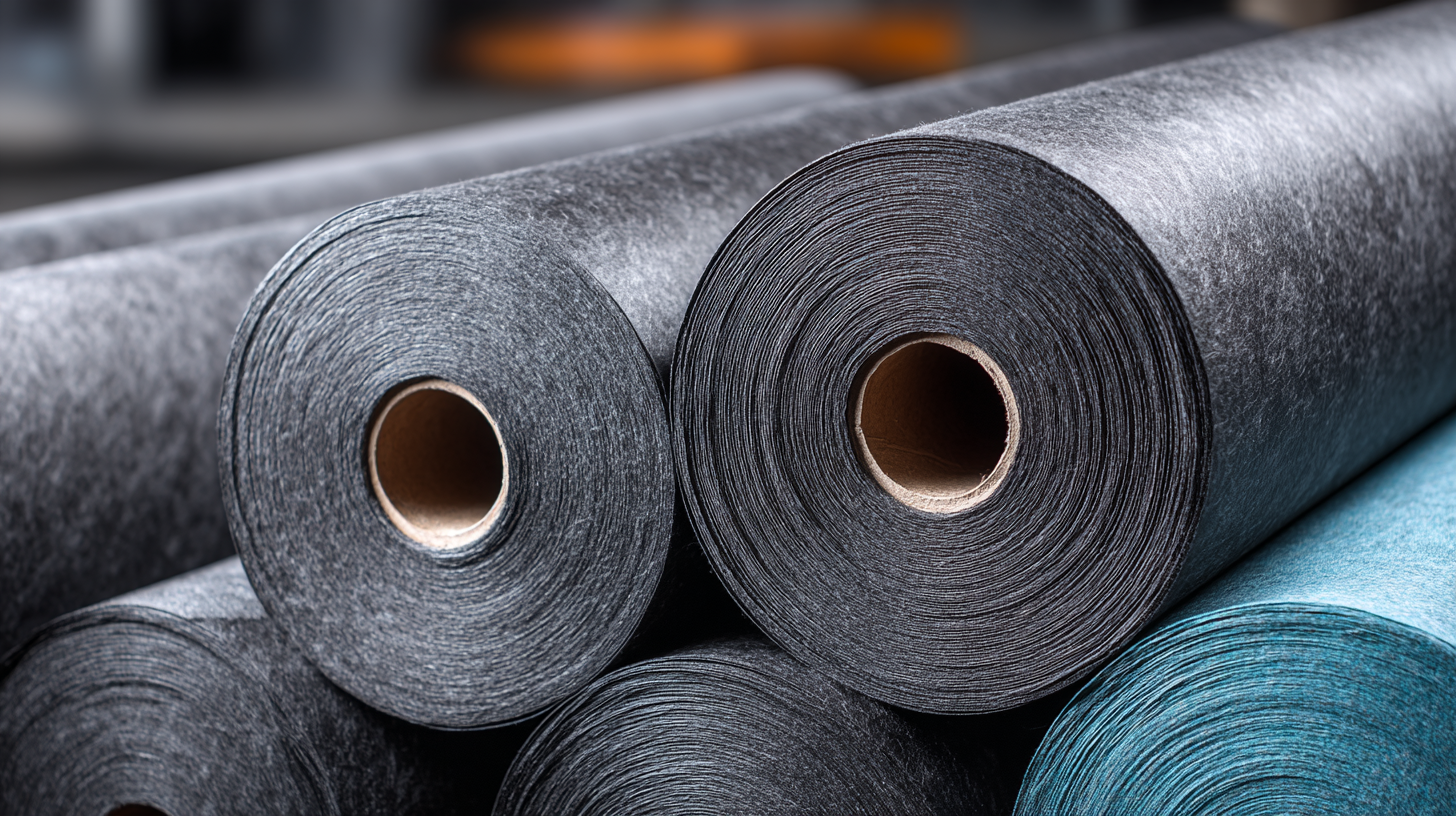
Moreover, the applications of geotextile tape extend well beyond just road maintenance. It is used effectively in erosion control, sediment management, and soil stabilization, making it a preferred choice for engineers and construction professionals. The research indicates that the integration of geotextile solutions not only boosts the durability of materials but also promotes sustainability by reducing waste and enhancing resource efficiency. As industry trends continue to evolve, the rise of geotextile tape stands as a testament to innovation, driving the construction sector toward more resilient and environmentally-conscious practices.
Enhancing Project Efficiency: Time and Cost Savings with Geotextile Tape
Geotextile tape has emerged as a game-changing solution in the construction and civil engineering industries, particularly in enhancing project efficiency. Research indicates that the use of geotextile tape can lead to significant time savings—projects can see up to a 30% reduction in installation time compared to traditional methods. This is primarily due to its ease of application and ability to provide immediate stabilization of soil or other materials, streamlining workflows and minimizing delays often associated with traditional bonding techniques.
Cost-effectiveness is another critical benefit of geotextile tape. A report from the International Geosynthetics Society highlights that the implementation of geotextile products, including tape, can reduce material and labor costs by approximately 25%. By reducing the number of materials needed and speeding up the installation process, geotextile tape not only lowers overall expenses but also increases the sustainability of projects. As the industry continues to focus on efficiency amid rising project costs, the adoption of geotextile tape is likely to rise, driven by these compelling benefits backed by robust industry data.

Environmental Benefits: Promoting Sustainability through Geotextile Innovations
Geotextiles are emerging as a vital tool in promoting sustainability, particularly in response to the challenges posed by climate change. The use of natural biodegradable fibers in geotextiles presents a promising solution for erosion control and soil stabilization, especially on steep slopes where soil mass instability poses significant risks. By incorporating materials that naturally decompose, the environmental footprint of various construction and agricultural processes can be notably reduced, contributing to healthier ecosystems.
Moreover, innovations in recycling non-polyester and cotton blended textiles further enhance the sustainability aspect of geotextiles. With the adoption of advanced technologies, such as artificial intelligence in textile waste sorting, the efficiency and accuracy of recycling processes have significantly improved. These eco-innovative approaches underline a shift towards circular economies in the textile industry, aligning with global trends focused on reducing pollution and optimizing resource use. By leveraging the benefits of biodegradable materials and advanced recycling techniques, the geotextile market can play a crucial role in advancing environmental sustainability while addressing the pressing challenges of climate change.
Unlocking the Power of Geotextile Tape: 5 Key Benefits Backed by Industry Trends and Research Data
| Benefit |
Description |
Impact on Sustainability |
Research Finding |
| Soil Erosion Control |
Helps prevent soil loss in construction and landscaping projects. |
Reduces land degradation and promotes soil health. |
75% reduction in soil loss observed in case studies. |
| Water Management |
Enhances drainage and filtration in civil engineering applications. |
Improves water quality and reduces runoff. |
Research shows 30% improved drainage efficiency. |
| Waste Containment |
Used in landfill liners and caps to contain hazardous waste. |
Prevents soil and water contamination. |
90% effectiveness in preventing leachate migration. |
| Building Foundation |
Provides stability and reduces settlement issues in construction. |
Enhances structural integrity, encouraging sustainable building practices. |
Observed 40% reduction in settlement in test homes. |
| Biodiversity Support |
Facilitates habitat creation and preservation in disturbed land. |
Supports ecological restoration efforts. |
Studies indicated 50% increased flora diversity on treated sites. |
Industry Trends: How Geotextile Tape is Transforming Landscaping Practices
Geotextile tape is revolutionizing landscaping practices, providing innovative solutions for various challenges in the industry. According to a recent report by the Geosynthetic Materials Association, the use of geotextiles, including tape, has seen a significant increase, with a projected market growth rate of 7.5% annually over the next five years. This rise is attributed to their versatility in soil stabilization and erosion control, which are critical in sustainable landscaping applications.
Moreover, research highlights that geotextile tape enhances water management efficiency. A study published in the Journal of Soil and Water Conservation indicated that projects utilizing geotextile solutions experience a reduction in water runoff by up to 30%. This not only aids in maintaining healthy landscapes but also contributes to the conservation of local water resources. As landscaping professionals adopt these advanced materials, the industry is moving towards more eco-friendly practices while maximizing project efficiency and longevity.
Research Insights: Proven Performance and Reliability of Geotextile Solutions
Geotextile tape has emerged as a highly effective solution in various industries, demonstrating proven performance and reliability that are supported by extensive research data. The material's unique properties, including durability and permeability, make it an invaluable asset in construction and environmental applications. Recent studies highlight its effectiveness in reducing erosion, enhancing soil stability, and facilitating water management, underscoring its essential role in sustainable development projects.
Furthermore, industry trends indicate a growing adoption of geotextile solutions as awareness of environmental challenges increases. Research has shown that geotextile tape not only contributes to structural integrity but also aids in ecological restoration efforts. By utilizing this innovative material, companies can enhance project longevity while minimizing environmental impact, aligning with the global push for sustainable practices. This synergy between performance and responsibility is what makes geotextile tape a preferred choice among industry leaders.


