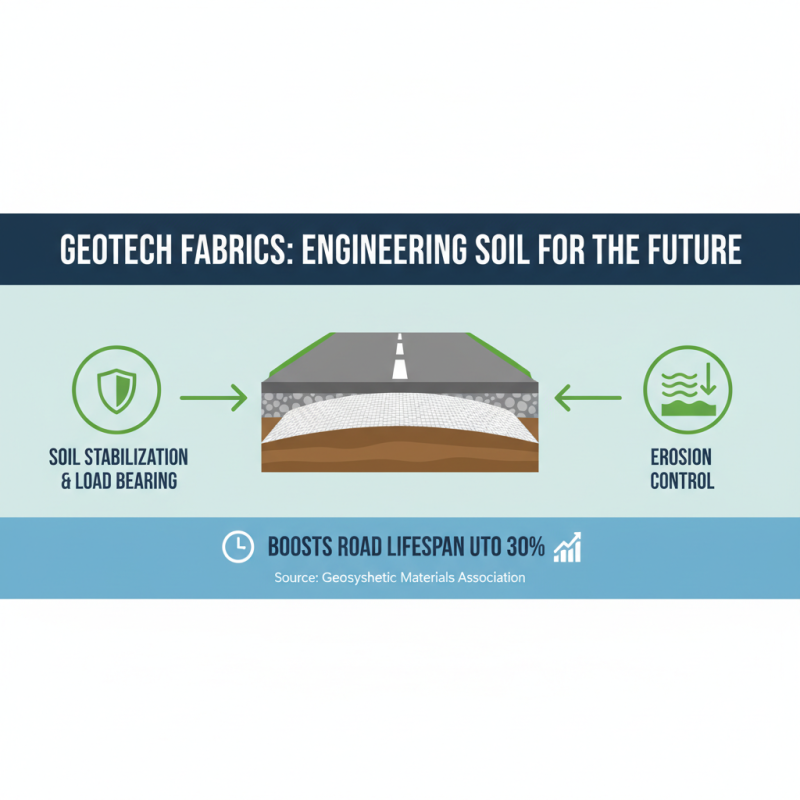
Geotech Fabric has revolutionized modern civil engineering. This innovative material plays a crucial role in various applications. Its versatility and strength make it a staple in construction and environmental projects.
From road construction to soil stabilization, Geotech Fabric is essential. It prevents erosion and improves drainage. Engineers are increasingly relying on this fabric to enhance project efficiency. However, its use is not without challenges. The environmental impact and durability concerns deserve attention.
In many cases, improper installation can lead to failure. Engineers must continually learn from these experiences. Recognizing the limitations of Geotech Fabric is vital for future improvements. This exploration of its top 10 uses highlights not only its benefits but also the need for careful consideration.
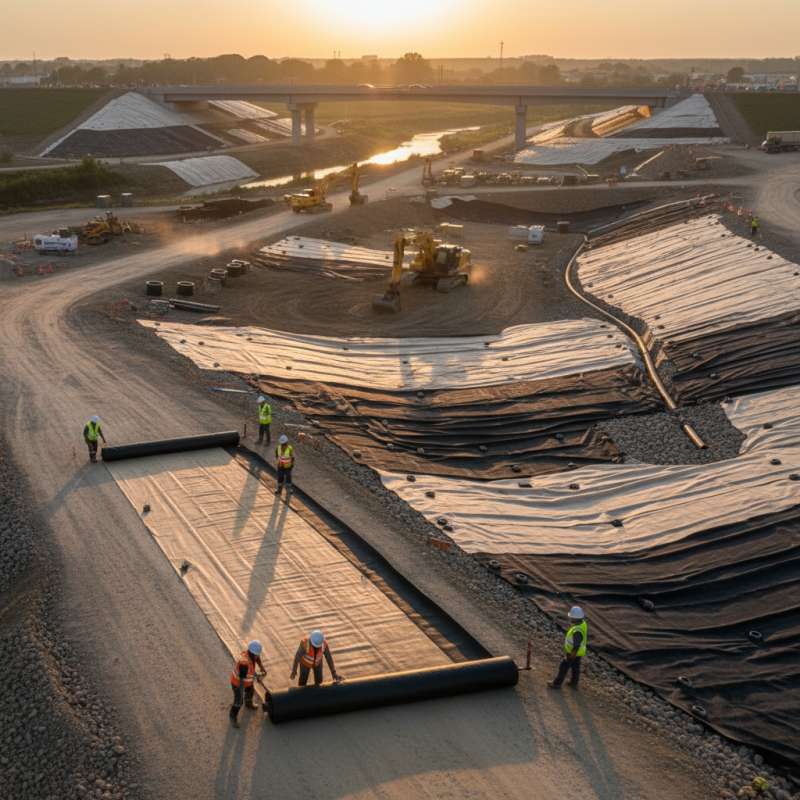
Geotech fabric plays a crucial role in modern civil engineering, particularly in soil reinforcement for infrastructure projects. These fabrics help stabilize soil, enhance load-bearing capacity, and control erosion. According to a report by the Geosynthetic Materials Association, using geotech fabrics can increase the lifespan of roadways by up to 30%. This is significant for projects that involve heavy traffic.
In soil reinforcement, geotech fabric works by distributing loads evenly. This reduces settlement issues and increases safety. For instance, fabric placement under roadways can prevent subgrade failure and enhance drainage. Engineers report that using these materials can lead to a reduction in repair costs by nearly 20%. However, selecting the correct type of geotech fabric is essential. Not all fabrics are suitable for every project.
Tip: Always consider soil properties before choosing a geotech solution. Testing soil samples can inform your decisions.
Sometimes, projects do not achieve intended goals. Misjudgment in fabric specifications can lead to unexpected failures. Reviewing prior case studies can provide insights to avoid common mistakes.
Tip: Analyze previous projects. Learn from successful and failing applications.
Geotech fabrics play a vital role in erosion control and sediment management. These materials are often used in slopes, riverbanks, and construction sites. They help stabilize soil and prevent erosion, which is crucial for maintaining the integrity of various structures. The lightweight nature of geotech fabrics allows for easy installation. In some cases, however, improper placement can lead to failures.
When applied to erosion-prone areas, these fabrics act as a protective barrier. They filter water and prevent sediment from washing away. This process can minimize the impact of stormwater runoff. However, maintenance is required to ensure they perform effectively over time. If not maintained, they may become clogged, reducing their effectiveness.
Using geotech fabrics for sediment management provides several benefits. They improve water quality by capturing pollutants. Additionally, these fabrics support plant growth, enhancing natural erosion control. Some projects fail to consider the need for vegetation. Without plants, the sustainability of the system may be compromised, highlighting the importance of integrated solutions. Proper planning and continuous evaluation are essential for success in these applications.
| No. | Application | Description | Benefits |
|---|---|---|---|
| 1 | Erosion Control | Used to stabilize slopes and shores by reducing soil erosion. | Prevents soil loss, enhances vegetation establishment. |
| 2 | Sediment Control | Filters sediment from water runoff, improving water quality. | Protects waterways from sediment pollution. |
| 3 | Landfill Liner | Creates a barrier to prevent leachate from contaminating the soil. | Protects ground and surface water from pollutants. |
| 4 | Drainage Solutions | Facilitates drainage in saturated soils to prevent flooding. | Enhances soil stability and structures' longevity. |
| 5 | Roadway Construction | Reinforces subgrades and promotes proper drainage in roadways. | Improves road durability and reduces maintenance costs. |
| 6 | Riprap Stabilization | Supports rock or stone placement to prevent erosion along banks. | Enhances bank stability and prevents sedimentation. |
| 7 | Bioengineering Applications | Integrates vegetation with geotechnical solutions for erosion control. | Promotes ecosystem restoration and soil health. |
| 8 | Construction Site Management | Manages runoff and prevents sediment from leaving the site. | Complies with environmental regulations and protects local habitat. |
| 9 | Coastal Protection | Helps to protect coastal areas from erosion and storm surges. | Enhances resilience of coastal infrastructure. |
| 10 | Green Roof Systems | Supports plant life on rooftops while managing water flow. | Improves insulation and reduces urban heat islands. |
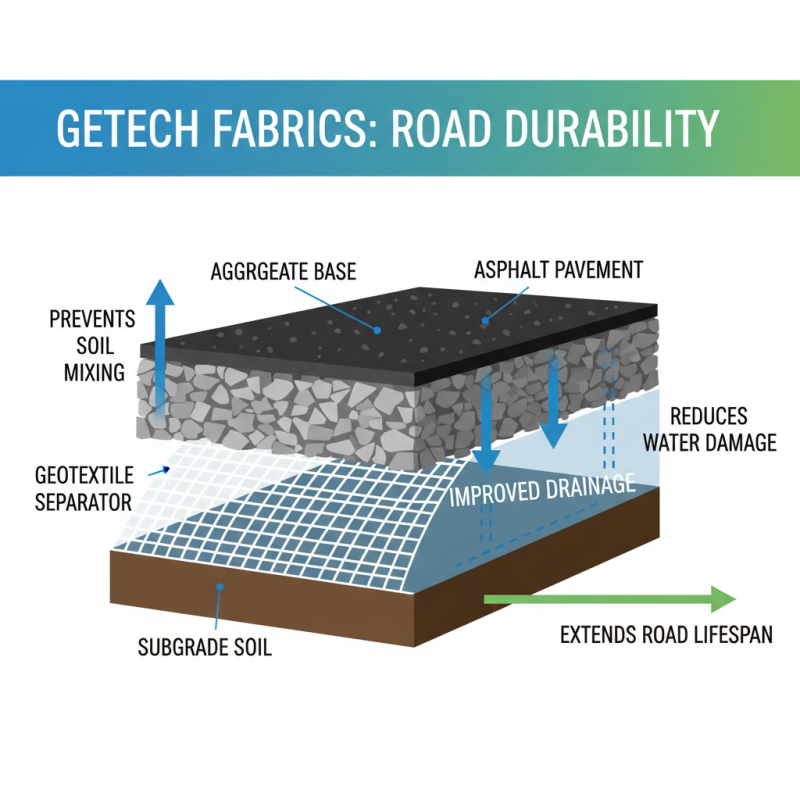
Geotech fabrics play a vital role in enhancing the durability of roads and pavements. These materials serve as separators, preventing soil mixing with aggregate layers. They contribute to better drainage, reducing water accumulation that often leads to pavement degradation. When installed properly, they can extend the lifespan of road structures.
In road construction, the use of geotech fabrics can be a double-edged sword. While they improve stability and mitigate erosion, improper installation can cause problems. If not correctly aligned or secured, the fabric may get damaged and lose effectiveness. This oversight may lead to unexpected repairs and higher costs.
Moreover, the long-term durability depends on the quality of the fabric itself and the environment. Factors like sunlight exposure and soil chemistry can impact performance. It’s crucial to consider these elements during planning. Engineers must be cautious and ensure the right fabric is selected for the specific conditions of a project. This requires careful evaluation and perhaps a bit more trial and error than expected.
Geotech fabrics play a vital role in drainage systems and flood management. These materials are designed to control water flow and improve soil stability. They prevent erosion, allowing landscapes to withstand heavy rainfall. Installing geotech fabrics in drainage ditches enhances water passage and reduces sediment buildup.
In flood management, these fabrics help create effective barriers. They can separate waterlogged areas from dry land. When used in retaining walls, they enhance structural integrity. The interplay of soil and fabric can be tricky, however. If not placed correctly, water can still seep through. Engineers must constantly evaluate their effectiveness in diverse conditions.
Even with their benefits, challenges remain. Ground conditions can vary significantly. These variations may affect performance. Understanding local soil types is crucial. Regular monitoring is necessary to ensure that the systems function as intended. In some cases, geotech fabrics may need replacement or repair. The adaptability of these materials is key in evolving civil engineering practices.
Geotech fabric plays a crucial role in modern civil engineering, especially in green infrastructure solutions. These fabrics help manage soil and water efficiently. They support vegetation growth while controlling erosion. Urban areas benefit greatly from these applications.
Using geotech fabric in green roofs is innovative. It acts as a filter, allowing water to drain while holding soil in place. This promotes plant health and biodiversity. Likewise, in rain gardens, these fabrics prevent waterlogging and facilitate drainage, keeping ecosystems balanced.
**Tip:** When installing, ensure proper layering. Incorrect setup leads to water pooling and plant death.
Another application is in permeable pavements. Here, geotech fabrics enhance water management and reduce runoff. However, improper installation often results in clogging, which negates benefits.
**Tip:** Regular maintenance is essential. Clean surfaces to allow proper water flow. Without upkeep, the system could fail. Using geotech fabric paves the way for sustainable solutions, yet it requires careful planning and execution.