What is Woven Membrane and its Applications in Design?
Woven Membrane technology is gaining traction in architectural and design applications. According to a report by MarketsandMarkets, the global woven membrane market is projected to reach $2.5 billion by 2028, growing at a CAGR of 5.2% from 2023. This growth reflects the increasing demand in sectors like automotive, construction, and fashion.
Industry expert Dr. Emily Chen notes, "Woven Membrane materials offer unique flexibility and durability, making them integral in modern design." These materials are becoming prominent in creating innovative structures that blend aesthetics with functionality. Architects are reimagining spaces with elegant, lightweight designs. Woven Membrane facilitates diverse applications, from tensile structures to artistic installations.
However, challenges remain. The longevity of woven materials under various environmental conditions is still under scrutiny. Designers must balance beauty with practicality. Adequate testing and research are essential to unlock the full potential of this promising material. The evolution of Woven Membrane continues to invite innovative minds to explore its capabilities.
What is Woven Membrane?
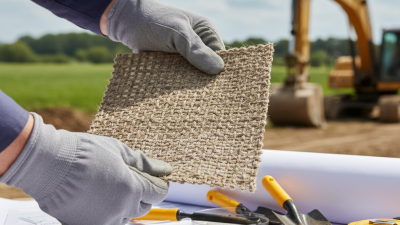
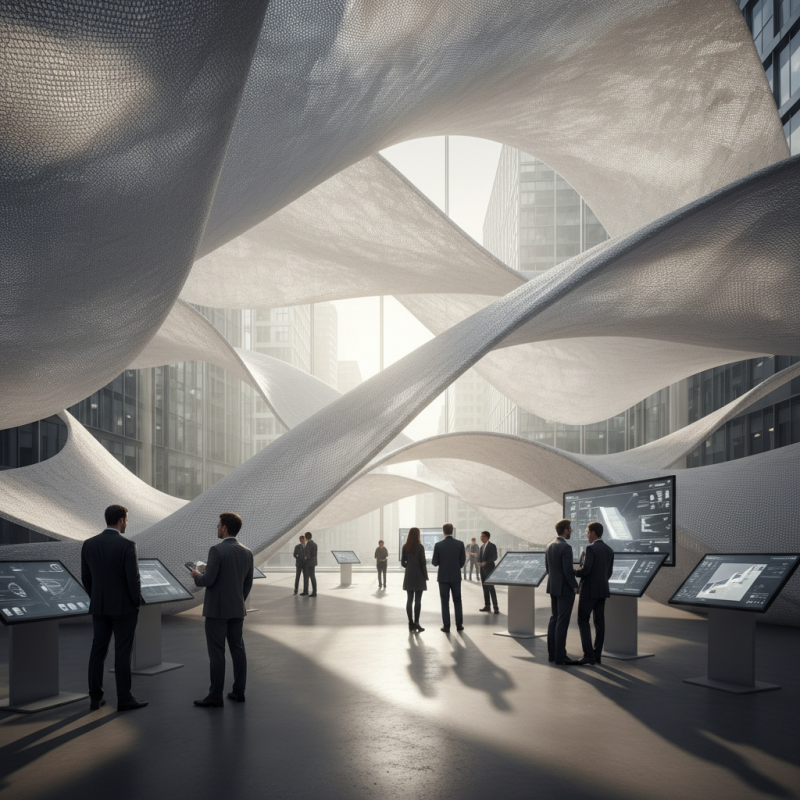
Woven membrane is an innovative material widely used in modern architecture and design. It consists of interlaced fibers, creating a flexible and strong structure. This unique composition allows it to stretch and adapt to various forms. Woven membranes come in different types, including textiles and synthetic materials. They are lightweight, making them ideal for large-scale projects.
These membranes can be used for shading, sound absorption, and even lighting. Not only do they provide functional benefits, but they also offer aesthetic appeal. Designers are drawn to their versatility. Woven membrane structures can be both bold and subtle. Their transparency creates intriguing effects with light. However, achieving the perfect balance in design can be challenging.
Tip: Experiment with different weave patterns. Each pattern can impact light and texture differently. Think about how this will influence your space.
While woven membranes offer many advantages, they also require careful consideration. Environmental conditions, such as wind and rain, can affect their longevity. Maintenance is another aspect to ponder. Regular inspections may be necessary. A flawed design might lead to unintended issues over time. Keep this in mind during your design process.
Tip: When selecting materials, consider climate and location. This will help ensure durability.
The History and Development of Woven Membrane Technology
The history of woven membrane technology dates back centuries. Ancient civilizations utilized woven techniques for practical purposes. They made shelters and containers using natural materials. These early designs were simple but effective. Over time, innovations emerged, enhancing durability and versatility.
In the last century, advancements in materials science transformed woven membranes. New synthetic fibers were developed, allowing for complex shapes and larger structures. This evolution changed architectural design. Woven membranes are now used in various applications, from sports arenas to art installations. They offer aesthetic appeal and functional benefits, like light transmission and weather resistance.
However, challenges persist with woven membrane technology. The balance between lightweight construction and structural integrity is often difficult to achieve. Some designs may show signs of wear faster than expected. The need for ongoing maintenance can be a drawback for certain projects. As the field continues to evolve, designers must address these issues while exploring new forms and uses.
Woven Membrane Technology Applications Over the Years
This chart illustrates the various applications of woven membrane technology across different industries. Architectural applications lead significantly, while automotive and aerospace follow. The data showcases the diverse utilization of woven membranes in modern design practices.
Key Properties and Characteristics of Woven Membranes
Woven membranes are versatile materials used in various design applications. Their unique properties make them suitable for a range of contexts, from architecture to furniture. One key characteristic is their lightweight nature. This quality allows designers to create structures that are both functional and aesthetically pleasing. Woven membranes can also be transparent or translucent. This attribute offers innovative solutions for natural lighting in building designs.
Another significant property is their strength. Despite being lightweight, woven membranes can withstand considerable stress. This makes them ideal for applications such as tensile structures. Furthermore, they are resistant to environmental factors. This resilience ensures durability, even in harsh conditions. Designers appreciate their ability to maintain performance over time.
The flexibility of woven membranes is noteworthy. They can be produced in various shapes and sizes. This adaptability opens up creative possibilities. However, not every design works flawlessly with these materials. Sometimes, achieving the desired effect requires additional contemplation. Balancing aesthetics and functionality can be more challenging than expected. Exploring the capabilities of woven membranes is a journey of discovery for many designers.
What is Woven Membrane and its Applications in Design? - Key Properties and Characteristics of Woven Membranes
| Property/Characteristic |
Description |
Applications |
| Durability |
High resistance to wear and tear, suitable for various environmental conditions. |
Architecture, outdoor structures, and canopies. |
| Lightweight |
Easy to handle and transport, reducing overall project weight. |
Temporary installations, event tents, and stage covers. |
| Flexibility |
Can be molded into various shapes and forms for creative designs. |
Art installations, architectural features, and shade structures. |
| UV Resistance |
Resistant to UV degradation, maintaining appearance and performance over time. |
Outdoor furniture, awnings, and exterior shading. |
| Waterproof |
Effective barrier against water ingress, enhances longevity. |
Tents, roofing systems, and aquatic facilities. |
Applications of Woven Membranes in Architectural Design
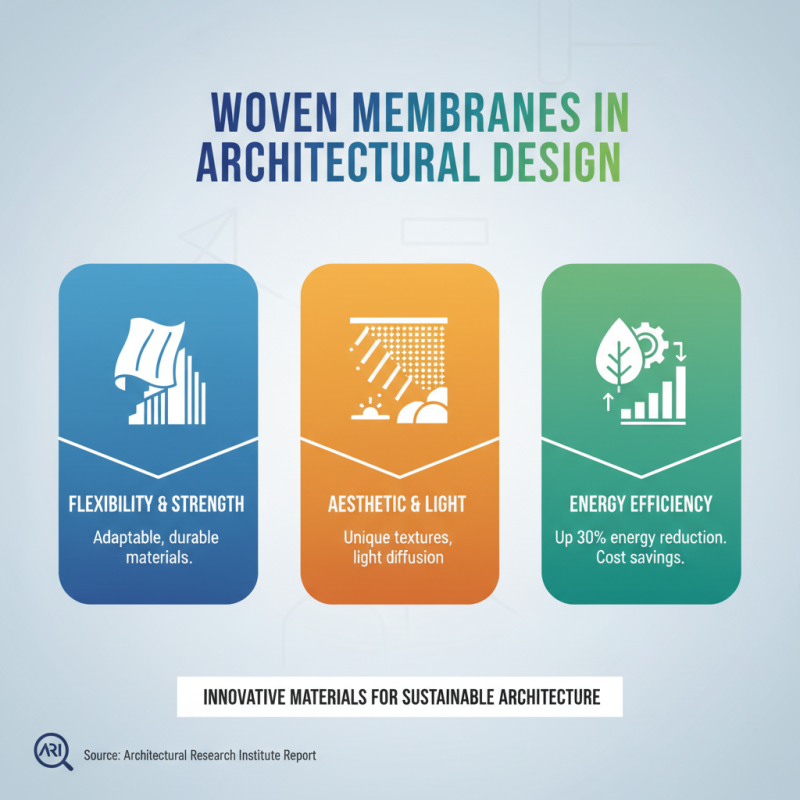
Woven membranes are innovative materials gaining traction in architectural design. They are known for their flexibility, strength, and aesthetic appeal. These materials can transform spaces with their unique textures and light-filtering abilities. According to a recent report by the Architectural Research Institute, woven membranes can reduce energy consumption in buildings by up to 30%. This advantage can lead to significant cost savings in the long term.
Their applications span various structures, such as stadiums, public pavilions, and even residential buildings. These membranes can create dynamic shapes and structures, allowing architects to think outside traditional forms. However, integrating woven membranes into designs isn't without challenges. Proper installation and maintenance are critical for longevity.
**Tip:** Regular inspections can help maintain the integrity of woven membranes, preventing potential issues before they arise.
Additionally, while these materials offer design flexibility, some may struggle with weather resistance. It's essential to select the right type of woven membrane based on local climate conditions. Experimenting with mixed materials can also yield interesting results.
**Tip:** Conduct thorough research on material properties to ensure durability and functionality in your designs.
Future Trends and Innovations in Woven Membrane Materials
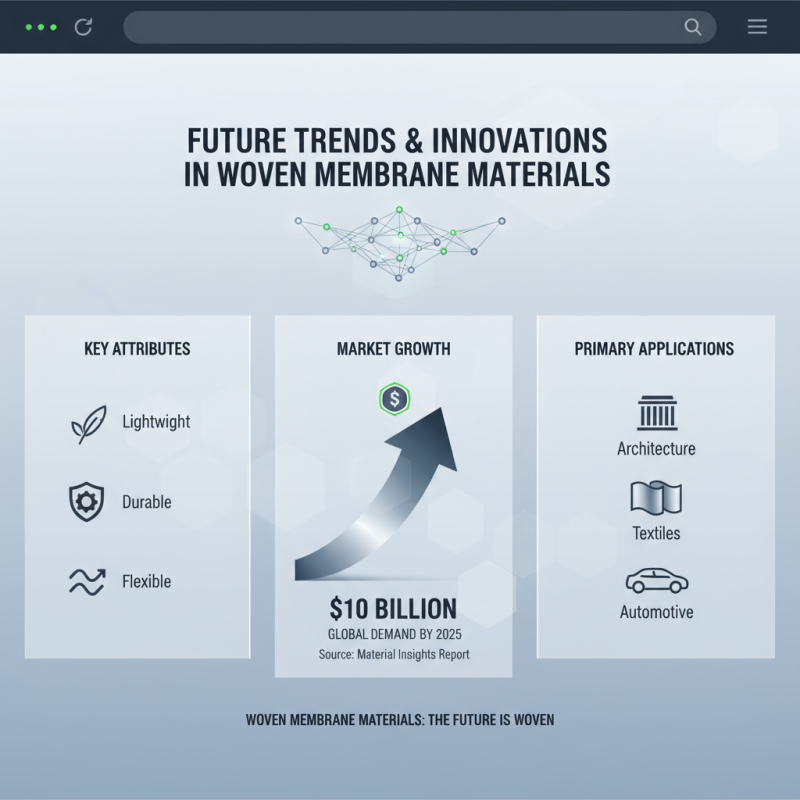
In recent years, woven membrane materials have captured attention in design innovation. They are lightweight, durable, and flexible. The global demand for these materials is projected to reach $10 billion by 2025, according to a report by Material Insights. This growth is largely driven by their applications in architecture, textiles, and automotive industries.
Future trends point toward incorporating smart technology into woven membranes. This means embedding sensors that can respond to environmental changes. For example, a membrane could adjust its opacity with varying light levels. A 2022 study showed that such integration could enhance energy efficiency by up to 30%. However, the challenge lies in ensuring the durability of these technologies within the membranes. Testing and durability assessments are critical yet often underrepresented in initial designs.
Sustainability remains a key concern in the future of woven membranes. While many materials are recyclable, the end-of-life processes are not always efficient. A report from the Eco Textiles Foundation indicated that less than 15% of woven textiles are recycled properly. Moving forward, questions about the balance between innovation and environmental impact need to be addressed. This balance will define the future of woven membrane technologies in design.