2026 Top Eva Geomembrane Solutions for Global Buyers?
The global demand for Eva geomembranes is steadily increasing. These materials play a crucial role in several industries, including environmental and civil engineering. According to recent market reports, the Eva geomembrane market is projected to reach over $4 billion by 2026, driven by the need for effective barrier solutions in waste management and water preservation.
Industry expert Dr. Amelia Reynolds noted, "Eva geomembranes provide unmatched durability and flexibility for various applications." This highlights their significance in protecting natural resources and enhancing project sustainability. Despite their advantages, selecting the right Eva geomembrane can be challenging. Buyers must consider factors such as thickness, tensile strength, and environmental conditions to make informed decisions.
Additionally, the proliferation of low-quality alternatives complicates the landscape. Buyers need to thoroughly assess manufacturers' reputations and product certifications. Ensuring a reliable supply chain is paramount, as subpar materials can lead to significant financial losses and project delays. Hence, understanding the nuances of Eva geomembranes can lead to more effective purchasing strategies and better project outcomes.
2026 Market Overview of Eva Geomembrane Solutions for Buyers
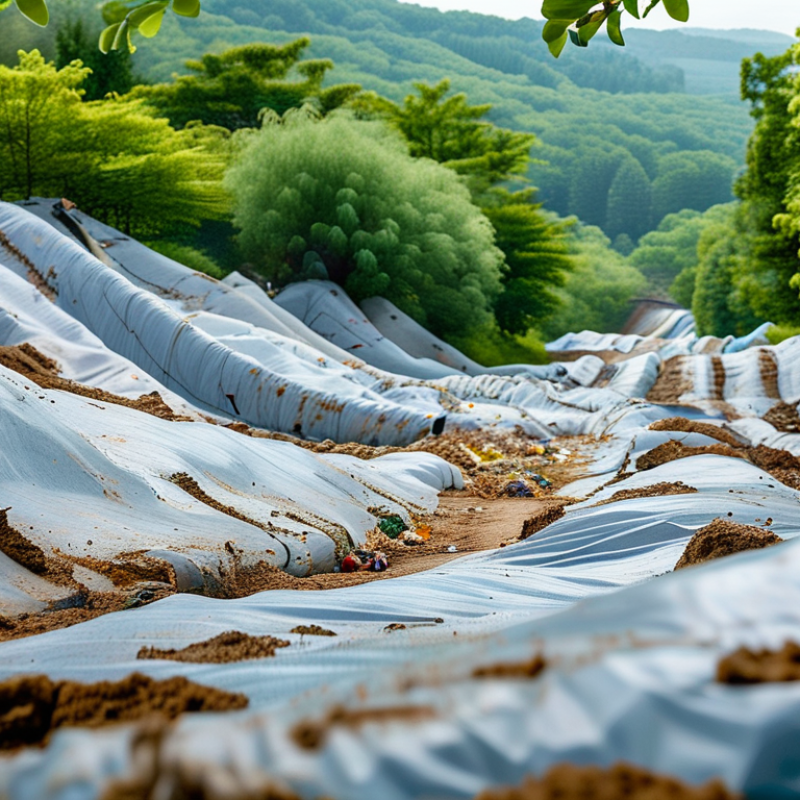
The global demand for Eva geomembrane solutions is on the rise. This innovative material offers excellent durability and flexibility. Many industries, from agriculture to waste management, are turning to these solutions for effective containment. Eva geomembranes provide a barrier against leaks and contaminants, making them highly sought after.
As environmental concerns grow, buyers seek reliable materials. Eva geomembranes are often preferred for their resistance to UV radiation and punctures. Their lightweight nature allows for easy installation and transport. However, challenges remain in sourcing high-quality products. Buyers should educate themselves on testing standards and manufacturer credentials.
Not all suppliers deliver the same level of performance. It is crucial for buyers to verify certifications and conduct due diligence. Pricing can vary widely based on quality and specifications. A comprehensive understanding of market trends will aid buyers in making informed decisions. Exploring different applications can also provide insights into optimal usage.
Key Manufacturers and Suppliers of Eva Geomembranes in 2026
The demand for EVA geomembranes continues to grow globally, driven by various industries, including construction, waste management, and agriculture. In 2026, key manufacturers are expected to enhance their production capabilities to meet this rising demand. According to industry reports, the global geomembrane market is projected to reach over $3.5 billion by 2026. This growth offers both opportunities and challenges for suppliers aiming to maintain quality and reduce costs.
Major players in the EVA geomembrane sector are focusing on innovation and sustainability. This shift requires a reevaluation of existing production methods. For instance, advancements in polymerization techniques can lead to higher quality products with lower environmental impact. Research indicates that the global demand for EVA materials could increase by approximately 30% over the next five years. However, achieving this goal may necessitate overcoming hurdles related to raw material supply and market volatility.
As companies push for more eco-friendly options, not all suppliers will adapt seamlessly. A critical look at manufacturing processes is essential. Efficiency and sustainability must go hand in hand. Continuous investment in R&D is also vital. It’s imperative to ensure that the solutions offered meet stringent industry standards. In a rapidly changing market, staying informed is crucial for both buyers and manufacturers.
2026 Top EVA Geomembrane Solutions for Global Buyers
Innovative Technologies Shaping Eva Geomembrane Solutions This Year
Innovative technologies are reshaping the landscape of Eva geomembrane solutions this year. These developments focus on enhancing durability and environmental sustainability. Many manufacturers are now exploring biopolymer materials. These options offer improved resistance to weathering and mechanical stress. Consequently, they extend the lifespan of geomembranes in various applications. Innovation in production techniques ensures that these materials maintain their structural integrity under harsh conditions.
Another significant trend is the integration of advanced monitoring systems. These systems provide real-time data on geomembrane performance. Users can track any potential leaks or weaknesses before they escalate into major issues. Furthermore, automation in manufacturing reduces human errors. This automation also increases efficiency and quality consistency across production runs. However, these sophisticated technologies may come with a steeper learning curve for new users.
Despite these advancements, challenges remain. Many companies still rely on outdated materials and methods. Transitioning to innovative solutions requires investment and training. Some stakeholders fear that modern approaches may compromise simplicity for complexity. Practitioners need to weigh these factors as they consider upgrades. Balancing innovation with practical application will define the future of Eva geomembrane solutions.
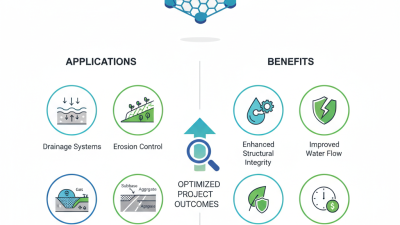
Application Areas of Eva Geomembranes for Global Buyers
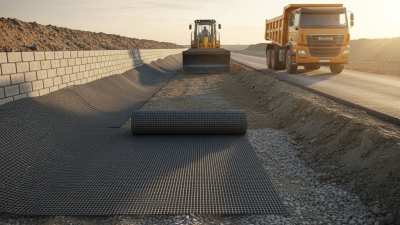
Eva geomembranes have gained traction in various applications across the globe. Their durability and flexibility make them ideal for environmental protection projects. Waste containment is a primary area where these materials shine. They form a vital barrier in landfills, preventing leachate from contaminating groundwater. This is crucial for both public health and environmental safety.
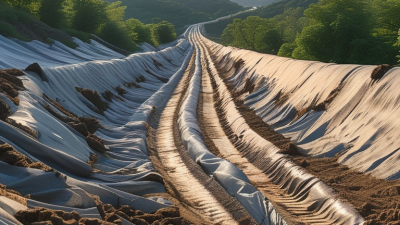
In agriculture, Eva geomembranes help in irrigation systems. They reduce water loss and enhance crop productivity. Farmers appreciate their resistance to UV rays and punctures. This capability leads to long-term savings and sustainability. Aquaculture is another promising area. Eva materials create secure enclosures for fish farming, promoting a healthier aquatic environment. However, it is essential to regularly inspect and maintain these installations. Failure to do so can lead to unforeseen issues.
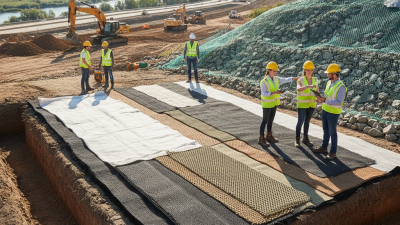
Despite their advantages, some challenges exist with Eva geomembranes. Installation requires skilled labor to ensure effectiveness. Improper setup can lead to failures, causing costly repairs. Education and training for installers are crucial. The industry is evolving, but there is still room for improvement. Continuous research is needed to enhance performance and adapt to various conditions.
Sustainability Trends in the Production of Eva Geomembranes
The production of EVA geomembranes is evolving, particularly in sustainability. Recent studies reveal that the global geomembrane market is projected to grow significantly, with a focus on eco-friendly materials. Companies are increasingly adopting sustainable practices. Nearly 70% of manufacturers aim to reduce their carbon footprint by 2025.
Innovations in recycling processes enhance the usage of recycled materials. According to the 2022 Geosynthetics Market Report, incorporating recycled polymers can lower production costs by up to 30%. This shift is crucial to meet global environmental standards. However, the industry still faces challenges. Not all manufacturers are equipped to implement these practices consistently.
There’s a growing demand for transparent reporting on sustainability efforts. Buyers are increasingly scrutinizing manufacturers' environmental impact. Nearly 65% of global buyers consider sustainability a key factor in their purchasing decisions. The industry must adapt to these changes, balancing production efficiency with ecological responsibility. This is a critical turning point for the future of EVA geomembranes.