How to Choose the Right GSM Geotextile for Your Project?
Choosing the right GSM Geotextile for your project is crucial for success. According to Dr. Richard Allen, a renowned geotechnical engineer, “Selecting the appropriate GSM Geotextile can enhance durability and effectiveness.” His expertise reflects the complex considerations in this field.
GSM Geotextiles are essential for soil stabilization, drainage, and erosion control. The correct GSM rating affects the product's strength and functionality. For example, a higher GSM indicates a thicker material, which may be necessary for projects with heavy loads. However, it also might not be suitable for lighter applications. Understanding these nuances is key.
Many projects overlook GSM selection, leading to unexpected failures. It's essential to evaluate project specifications carefully. Balancing cost and performance can often be challenging. Consider potential risks and the project's long-term impacts. The right choice ensures better results and prevents costly mistakes down the line.
Understanding the Basics of GSM Geotextiles
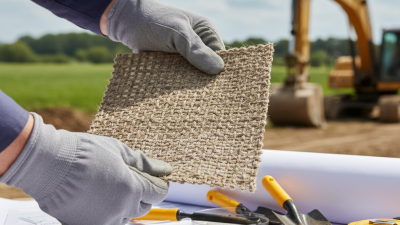
GSM geotextiles play a crucial role in various construction and landscaping projects. GSM stands for grams per square meter, which measures the weight of the fabric. This weight significantly influences the geotextile's strength, durability, and appropriate applications. A higher GSM typically indicates a thicker, more durable product, ideal for heavier loads. However, thicker materials may limit flexibility in specific situations.
When selecting a GSM geotextile, it's essential to understand your project's requirements. Soil type, load-bearing needs, and environmental factors will affect your choice. For instance, a project in a wet area may benefit from a lightweight, high-permeability fabric, while a site with heavy mechanical loads may require a heavier GSM material. Experimenting with different weights can yield unexpected results, leading to potential inefficiencies.
The choice of GSM geotextile is not always straightforward. Project budgets and environmental conditions can complicate decision-making. Sometimes, using a higher GSM fabric where a lighter option suffices may lead to unnecessary expenses and resource use. Reflecting on the project’s needs is vital to make an informed decision. Understanding the balance between cost, durability, and application will enhance your project's overall success.
Factors to Consider When Choosing GSM Geotextiles
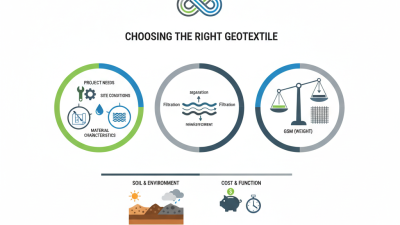
Choosing the right GSM geotextile for your project requires careful consideration of various factors. One critical aspect is the project’s specific needs. Are you working on drainage, filtration, or erosion control? Different applications call for different GSM weights. Higher GSM values typically suggest more robust material. However, that doesn’t always guarantee superiority.
Furthermore, the environmental conditions where the geotextile will be installed play a vital role. For example, high moisture or saline conditions may require materials that resist degradation. It's essential to evaluate the soil type and the surrounding ecosystem. Not all GSM geotextiles work well in every situation. Testing samples on-site before full installation can reveal unexpected weaknesses.
Cost is another aspect to consider, but it shouldn't be the only deciding factor. Cheaper materials may lead to higher costs in the long run due to premature failure. Always account for installation time and labor as well. Reflecting on these elements can prevent costly mistakes. Making a thoughtful, well-informed choice is crucial for the project’s success.
Types of GSM Geotextiles and Their Applications
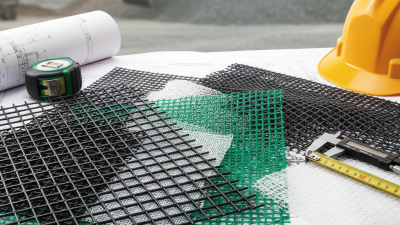
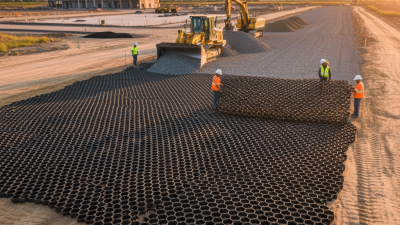
When selecting the right GSM geotextile, understanding its types and applications is essential. Geotextiles are categorized primarily into woven and non-woven types. Woven geotextiles are highly durable and provide excellent tensile strength. They are suitable for applications like road construction and reinforcement of slopes. In contrast, non-woven geotextiles have a more flexible nature. They excel in drainage and filtration applications, making them ideal for environmental projects.
Each type has its advantages and limitations. Woven options may not be as effective in drainage applications due to their tight structure. This can lead to water pooling, which is an issue in certain environments. Non-woven types, while great for filtration, might not offer the same durability under heavy loads. It's crucial to assess specific project needs. The right choice often involves careful consideration of soil type, drainage requirements, and load-bearing capacity.
Installation techniques also affect performance. Proper techniques can enhance longevity and effectiveness. In some cases, users may overlook the importance of soil conditions. Ignoring this aspect can lead to suboptimal results. Understanding these nuances helps in selecting the right GSM geotextile, ensuring a successful project outcome.
How to Choose the Right GSM Geotextile for Your Project? - Types of GSM Geotextiles and Their Applications
| Type of GSM Geotextile |
GSM (g/m²) |
Application |
Key Benefits |
| Non-Woven Geotextile |
100-200 |
Drainage and Filtration |
High permeability, effective filtration |
| Woven Geotextile |
150-300 |
Separation and Reinforcement |
High tensile strength, load distribution |
| Geogrid |
50-150 |
Soil Stabilization |
Improved load bearing capacity |
| Geocell |
300-600 |
Slope Protection |
Erosion control, enhanced structural integrity |
| Composite Geotextile |
200-400 |
Landfill Capping |
Combined advantages of woven and non-woven |
Evaluating Project Requirements for Selective GSM Geotextile Use
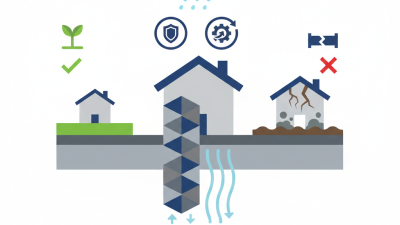
When selecting the right GSM geotextile for a project, it's essential to evaluate the specific requirements carefully. Factors such as soil type, drainage needs, and environmental conditions play a critical role. A thorough understanding of these variables helps determine the appropriate GSM rating. High GSM offers more strength and durability, while a lower GSM can provide more flexibility. This choice directly impacts the project's performance and longevity.
Another key aspect to consider is the intended application of the geotextile. Will it be used for erosion control, filtration, or separation? Each application demands a unique set of properties. For instance, filtration requires a geotextile that allows water flow while retaining soil particles. Conversely, for stabilization, a heavier GSM may be needed to support load-bearing requirements. Striking the right balance can be challenging and may require consultations with professionals in the field.
No project is identical, and reflective thinking is crucial. Consider past experiences and lessons learned from previous projects. What worked well? What were the shortcomings? Identifying these insights ensures a more informed decision in material selection. Often, revisiting these questions leads to unexpected solutions and optimizes project outcomes.
Best Practices for Installing GSM Geotextiles in Projects
When installing GSM geotextiles, proper techniques are essential for ensuring effectiveness. First, ensure the ground is level and free of debris. This preparation helps the geotextile function correctly within the soil structure. A smooth installation will enhance its supportive capabilities.
Tip: Always check the manufacturer's guidelines. Not all GSM geotextiles are the same. Each has unique properties and installation needs. Be observant; an error in application can lead to project failures.
Laying down the geotextile requires attention to detail. Overlap seams adequately, generally 12 inches or more. This overlap prevents soil migration and maintains structural integrity. Regularly inspect the overlaps to avoid potential weaknesses.
Tip: Pay attention to weather conditions. Installing during wet or windy days can complicate the process. Poor conditions might cause wrinkles or misalignment, compromising performance. Reflect on any challenges faced during previous installations to make improvements.