Best Cirtex Geogrid Applications for Soil Stabilization and Erosion Control
In the realm of civil engineering and construction, the need for effective soil stabilization and erosion control has never been more critical. As infrastructures face increasing pressures from environmental changes, professionals are turning to innovative solutions to maintain soil integrity. Among these innovations, Cirtex Geogrid stands out as a highly effective tool. According to Dr. John Thompson, a leading expert in geotechnical engineering, "The application of Cirtex Geogrid enhances soil performance by creating a composite structure that significantly reduces settlement and enhances load distribution."
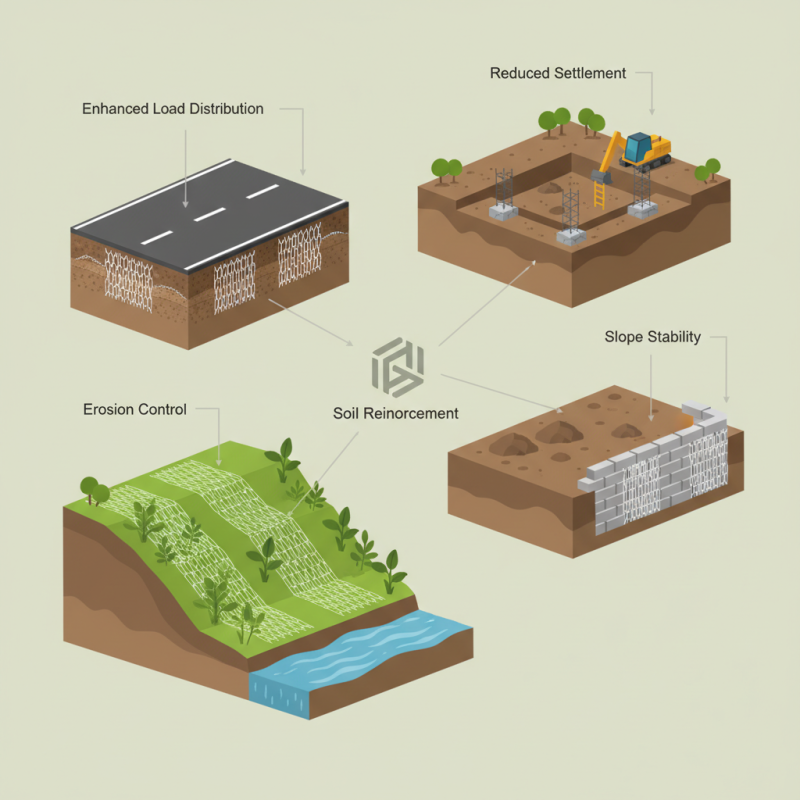
Utilizing Cirtex Geogrid in various applications, such as roads, embankments, and retaining walls, can provide substantial benefits in terms of stability and longevity. This versatile product not only helps in reinforcing soil but also plays a crucial role in controlling erosion, particularly in areas subjected to heavy rainfall or topographical challenges. As we delve into the best practices and applications of Cirtex Geogrid for soil stabilization and erosion control, it becomes evident that this technology is transforming the way we approach site development and infrastructure sustainability. By implementing these solutions, engineers can ensure safer and more durable construction in an ever-evolving environmental landscape.
Overview of Cirtex Geogrids in Soil Stabilization
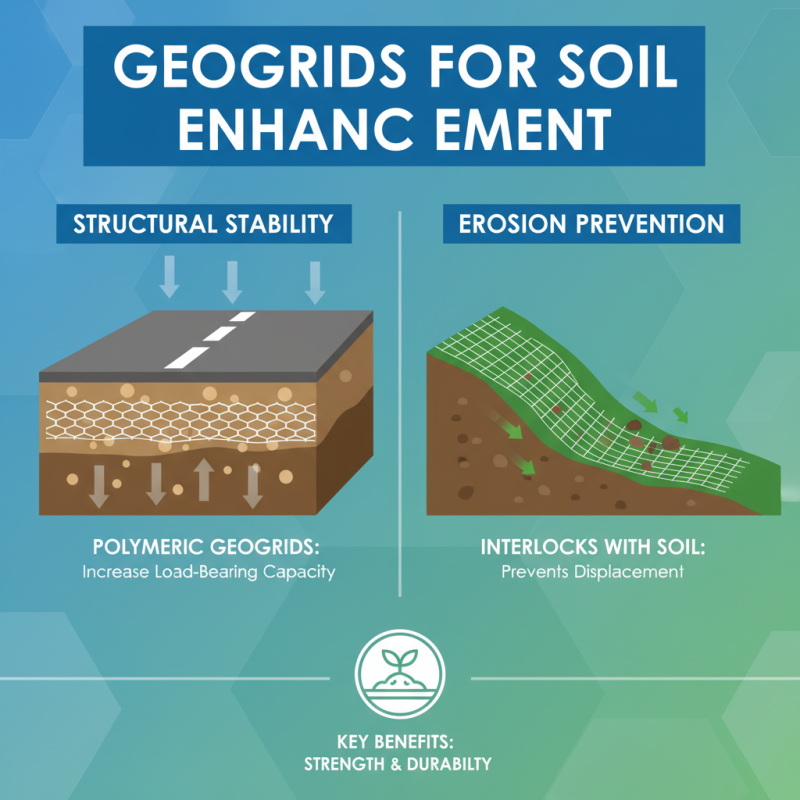
Cirtex geogrids are increasingly recognized for their pivotal role in soil stabilization projects across various applications. These high-strength polymer grids are specifically designed to reinforce soil, providing a robust solution to common problems related to soil erosion and ground instability. By distributing loads over a wider area, geogrids help enhance the load-bearing capacity of weak soils, making them ideal for use in road construction, retaining walls, and other civil engineering projects.
One of the key benefits of using geogrids in soil stabilization is their ability to minimize erosion. When properly installed, they create a supportive lattice that holds soil in place, preventing it from being washed away by water or blown away by wind. This feature is particularly advantageous in areas prone to heavy rainfall or where wind erosion is a concern. Additionally, geogrids can facilitate vegetation growth by providing a stable substrate for roots, which further aids in soil retention.
Tips: When considering geogrids for soil stabilization, ensure that the selected type and strength match the specific soil conditions and project requirements. Proper installation is crucial; inadequate anchoring can lead to premature failure of the system. It may also be beneficial to combine the use of geogrids with erosion control measures like geotextiles or planting vegetation to enhance the overall effectiveness of the soil stabilization efforts.
Best Cirtex Geogrid Applications for Soil Stabilization and Erosion Control
| Application |
Geogrid Type |
Soil Type |
Performance Benefit |
| Road Construction |
Biaxial Geogrid |
Clay |
Reduced Rutting |
| Landfills |
Uniaxial Geogrid |
Sandy |
Enhanced Load Distribution |
| Slope Stabilization |
High Strength Geogrid |
Loamy |
Prevent Landslides |
| Erosion Control |
Geocell Reinforcement |
Silty |
Soil Retention |
| Retaining Walls |
Plastic Geogrid |
Granular |
Structural Stability |
Key Benefits of Using Geogrids for Erosion Control
Geogrids have become a pivotal solution in the realm of soil stabilization and erosion control due to their unique structural properties. The use of geogrids enhances soil performance by distributing loads more effectively, which has been demonstrated to reduce settlement and increase the shear strength of underlying soil layers. According to the Federal Highway Administration, utilizing geogrid reinforcement can lead to a reduction in total earthwork volumes by up to 50%, making projects not only more efficient but also more cost-effective.
In erosion control applications, geogrids play a crucial role by providing a foundation for vegetation and other protective layers. They enhance the stability of soil structures by minimizing soil displacement caused by water flow or wind. A study conducted by the International Journal of Erosion Control Engineering iluded that sites treated with geogrids showed a 35% reduction in surface erosion compared to untreated areas. This attribute is particularly vital in regions prone to heavy rainfall or flooding, where soil loss can lead to significant ecological and structural damage. The integration of geogrids into erosion control designs can ultimately yield long-term environmental benefits alongside financial savings for infrastructure projects.
Applications of Cirtex Geogrids in Civil Engineering Projects
In the realm of civil engineering, geogrids play a pivotal role in enhancing soil stabilization and controlling erosion. These innovative structures are particularly effective in applications such as retaining walls, slope stabilization, and the reinforcement of road bases. By distributing loads evenly across the soil, geogrids minimize the risk of soil shift and failure, particularly in projects situated on sloped terrain or in areas susceptible to soil erosion. Their installation improves the overall durability and longevity of civil infrastructure, making them an essential component in modern engineering solutions.
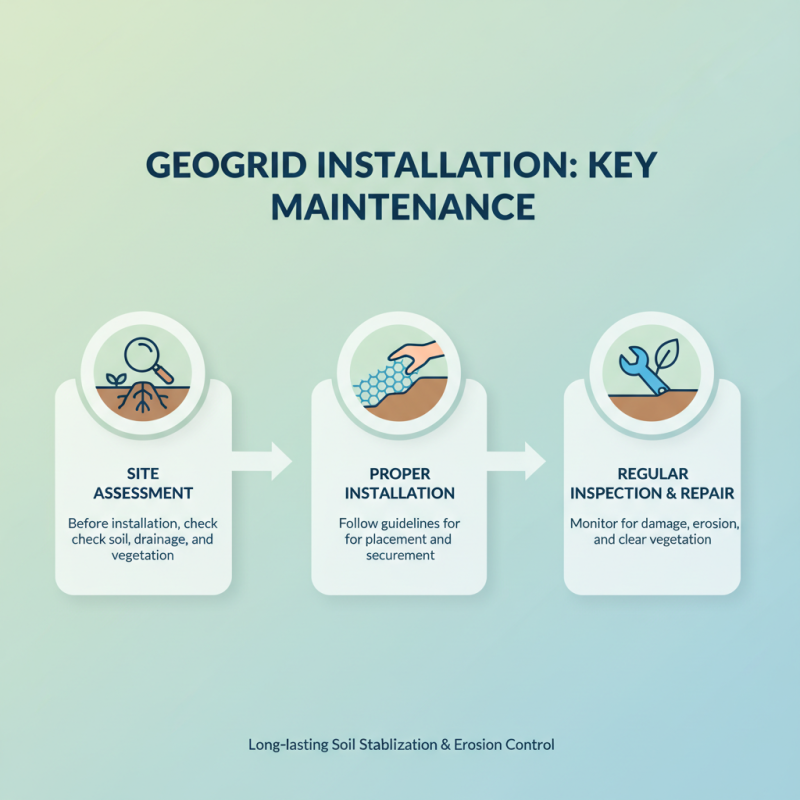
Tips for optimizing the use of geogrids in your projects include conducting a thorough site assessment to determine the appropriate type and configuration of geogrid needed for specific soil conditions. Implementing proper installation techniques is crucial, as misalignment or inadequate tension can compromise the effectiveness of the geogrid. Additionally, integrating vegetation in conjunction with geogrids can further enhance slope stability and erosion control by providing natural rooting systems that hold the soil in place.
Another application of geogrids in civil engineering is in temporary or permanent roadways, where they can reinforce the subgrade and prevent deformation under heavy loads. This is particularly beneficial in construction zones or areas with poor soil conditions. When properly applied, geogrids can significantly reduce maintenance costs and improve the performance of transportation networks. Always consider environmental factors and future land use in your planning to maximize the benefits of geogrid technology in your projects.
Best Geogrid Applications for Soil Stabilization and Erosion Control
Comparison of Geogrid Types for Soil Enhancement
When it comes to soil enhancement, geogrids play a crucial role in improving structural stability and preventing erosion. Various types of geogrids are designed for specific applications, making it essential to understand their unique properties and advantages. For soil stabilization, polymeric geogrids are commonly used due to their excellent tensile strength and flexibility. These geogrids interlock with soil particles, redistributing loads and enhancing the load-bearing capacity of the soil, which is particularly beneficial in road and pavement applications.
Another significant type is the geocell, a three-dimensional cellular structure that confines soil within its cells, promoting effective reinforcement and stabilization. Geocells are particularly advantageous for steep slopes and areas prone to erosion, as they help in vegetation growth and surface water management. Additionally, woven geogrids, made from high-strength materials, often outperform traditional methods of soil reinforcement in certain scenarios by providing reliable support while minimizing soil displacement. By comparing these types, it is clear that selecting the appropriate geogrid is crucial for achieving optimal soil enhancement and ensuring long-lasting, effective erosion control.
Maintenance Best Practices for Geogrid Installation
When it comes to geogrid installation for soil stabilization and erosion control, proper maintenance practices are crucial for ensuring long-lasting performance. Initially, it's essential to conduct a thorough site assessment before installation. This helps determine soil conditions and identifies any potential challenges, such as drainage issues or heavy vegetation that could affect the geogrid's performance.
**Tips:** Always ensure that the installation area is free from debris and loose materials. A clean and well-prepared site promotes better contact between the geogrid and the soil, thereby enhancing stabilization efforts.
After installation, regular inspections should be carried out to monitor the condition of the geogrids. Look for signs of erosion, soil movement, or any damage to the geogrids themselves. Addressing these issues promptly can prevent greater problems later on.
**Tips:** Schedule inspections at key intervals, especially after heavy rain or extreme weather. This proactive approach can identify early signs of failure and allow for timely repairs, extending the life of your erosion control solutions.
In addition to inspections, maintaining proper drainage around the geogrid installation is vital. Poor drainage can lead to undercutting or excessive water pooling, which compromises the geogrid's integrity. Ensure that surface water is directed away from the installation area to maintain optimal performance.
**Tips:** Implement drainage solutions such as swales or French drains that can help manage water flow effectively. Proper drainage not only protects the geogrid but also enhances soil stability and prevents erosion.