Why Choose Geogrid Fabric for Your Construction Projects?
In the ever-evolving world of construction, choosing the right materials is critical. Geogrid Fabric stands out for its remarkable strength and versatility. Industry expert Dr. Jane Smith from the Geosynthetics Institute emphasizes, “Geogrid Fabric can significantly enhance the stability of soil and structures.”
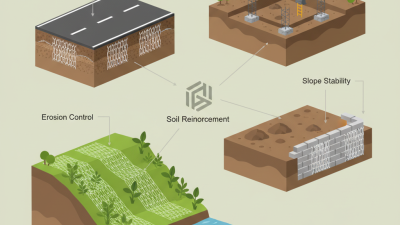
This innovative material is not just a trend; it drives efficiency and safety in various projects. By reinforcing soil, Geogrid Fabric prevents erosion and maintains ground integrity. In many cases, traditional solutions fail under specific conditions.
While Geogrid Fabric is beneficial, it is essential to acknowledge its limitations. Factors like local soil conditions and environmental impact can affect its performance. Continuous research and awareness are needed to optimize its use.
Benefits of Geogrid Fabric in Construction Projects
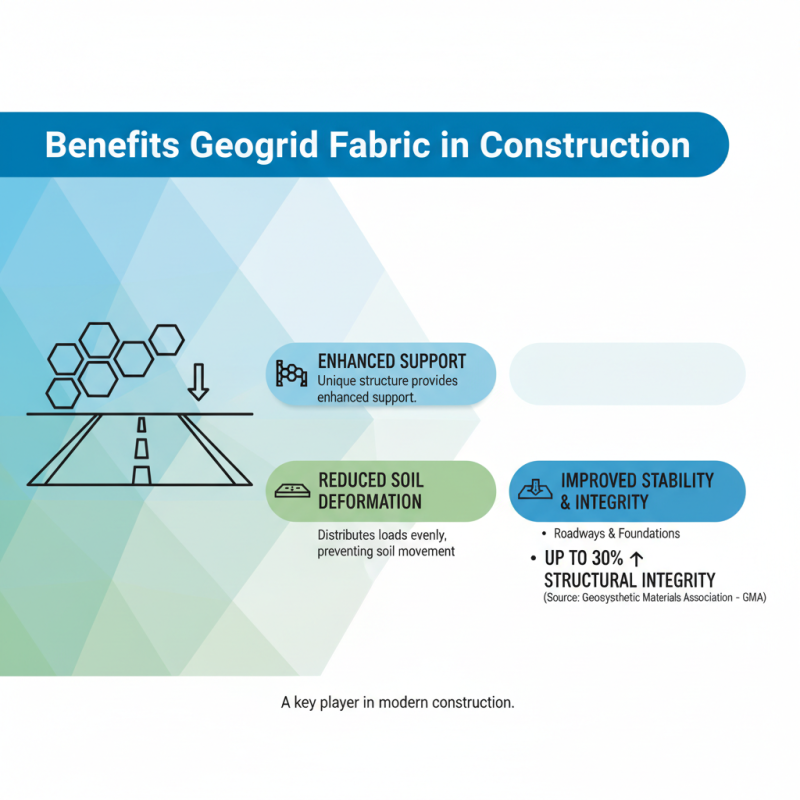
Geogrid fabric has become a key player in modern construction projects. Its unique structure provides enhanced support for various applications. By distributing loads evenly, geogrids help reduce soil deformation. This leads to improved stability in roadways and foundations. According to the Geosynthetic Materials Association (GMA), projects utilizing geogrids can see up to a 30% increase in structural integrity.
One of the notable benefits of geogrid fabric is its ability to improve drainage. Proper drainage is essential in construction. The porous nature of geogrids allows water to flow through, reducing pressure on the soil and preventing erosion. In studies, sites using geogrids have reported a significant decrease in water-related issues, contributing to long-term durability.
Tips: Always evaluate soil conditions before selecting geogrid types. Each site is unique, and incorrect choices may lead to complications. Consider consulting with a geotechnical engineer for optimal performance.
Cost savings can also be significant. A report from the International Society for Soil Mechanics indicates that using geogrids can reduce material costs by up to 20%. However, improper installation can negate these benefits. It's crucial to ensure that installation teams are trained and experienced. This minimizes the risk and maximizes the advantages of geogrids in construction projects.
Types of Geogrid Fabric and Their Applications
Geogrid fabric plays a crucial role in modern construction projects. Understanding the different types available can significantly influence project outcomes. There are three primary types: uniaxial, biaxial, and triaxial geogrids. Each type serves unique purposes depending on the project’s requirements.
Uniaxial geogrids are commonly used for soil reinforcement applications. They improve the load distribution of structures, making them ideal for retaining walls and steep slopes. Biaxial geogrids offer versatile applications in both vertical and horizontal directions. They are perfect for pavements, embankments, and sub-grade stabilization. On the other hand, triaxial geogrids provide enhanced confinement for granular materials. They are extremely effective in areas with difficult soil conditions.
Selecting the right geogrid requires careful consideration of factors like soil conditions and load expectations. It's essential to recognize that not all projects will benefit from every type. Sometimes, trial and error is necessary to find the most effective solution. Therefore, consulting with experts in geotechnical engineering can often provide valuable insights. Ensuring the right match between geogrid type and project needs can yield lasting efficiency and stability.
Why Choose Geogrid Fabric for Your Construction Projects? - Types of Geogrid Fabric and Their Applications
| Type of Geogrid |
Material |
Application |
Benefits |
| Uniaxial Geogrid |
Polypropylene or Polyester |
Base reinforcement for roads |
High tensile strength, cost-effective |
| Biaxial Geogrid |
Polyethylene or Glass Fiber |
Soil stabilization, retaining walls |
Improved load distribution, versatile |
| Triaxial Geogrid |
Polypropylene |
Heavy load support for pavements |
Enhanced stability, reduces deformation |
| Geocomposite |
Combination of geogrid and geotextile |
Landfill cover systems |
Multi-functional, drainage capability |
| Geocell |
HDPE |
Slope stabilization, load support |
Flexibility, effective erosion control |
Factors to Consider When Choosing Geogrid Fabric
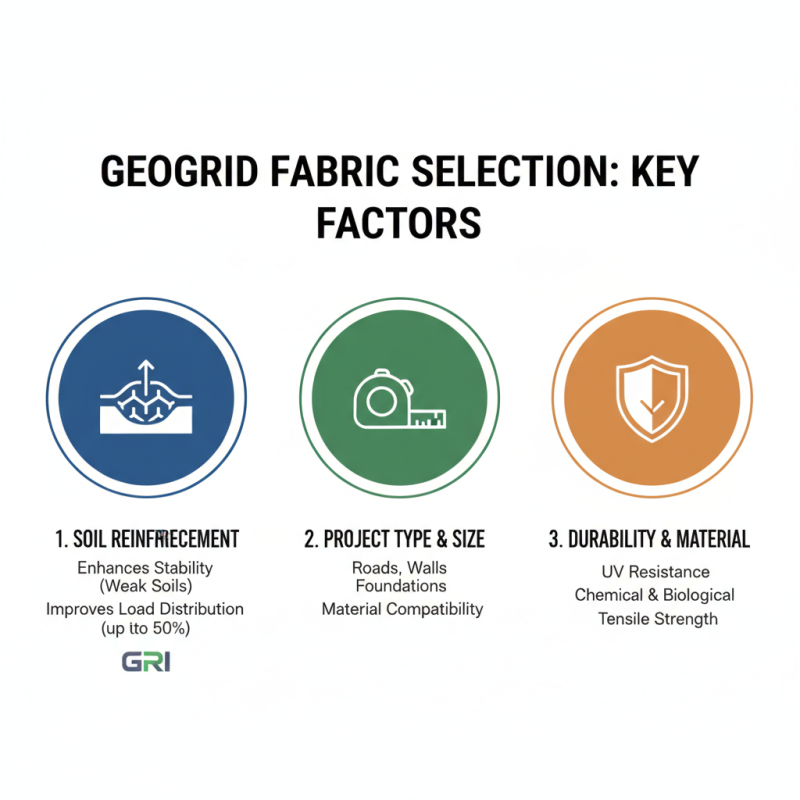
When considering geogrid fabric for construction projects, several factors play a crucial role. One significant aspect is soil reinforcement. Geogrids enhance soil stability, especially in weak soil conditions. According to the Geosynthetic Research Institute, the use of geogrids can improve load distribution by up to 50%. This attribute is essential for projects that require solid foundations.
Durability is another critical consideration. High-quality geogrid materials can resist environmental stress and mechanical damage. A recent study highlighted that properly installed geogrids extend the lifespan of retaining walls by 30%. Furthermore, the ability of geogrids to mitigate soil erosion is vital in infrastructure development. In regions prone to heavy rainfall, this can save projects from potential failure.
Cost-effectiveness should also not be overlooked. While the initial investment in geogrids may be higher, long-term savings are significant. Projects can avoid frequent maintenance and repair costs. However, it’s important to choose the right type based on specific project needs, as using unsuitable materials can lead to increased expenses and safety risks. Evaluating these aspects is crucial for maximizing effectiveness in construction.
Installation Techniques for Geogrid Fabric
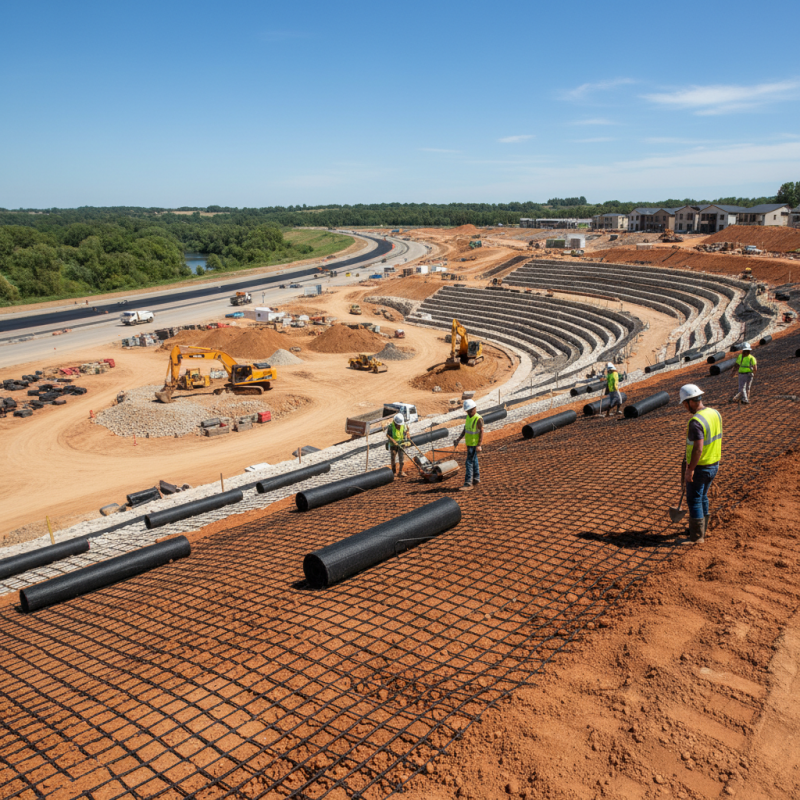
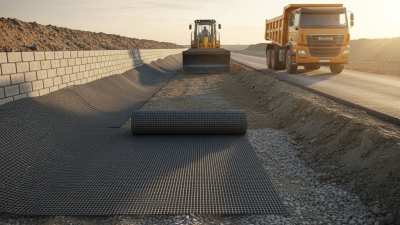
Installing geogrid fabric requires careful planning and execution. Begin by preparing the subgrade surface thoroughly. This means removing any debris, rocks, or vegetation. The ground should be leveled to create a solid base for the geogrid. Moisture content can affect stability, so ensure the soil is slightly damp.
Once the site is prepared, lay the geogrid fabric flat. It's important to overlap adjacent sections by at least 10 to 12 inches. This overlap is crucial for maintaining structural integrity. Use stakes or pins to secure the geogrid in place, preventing it from shifting during installation. Begin backfilling gently while ensuring that the geogrid remains flat and taut.
As you progress, monitor the tension on the fabric. Excess tension could cause tearing or shifting, which can compromise the entire setup. It’s helpful to periodically check the alignment as you work. Adjustments are often necessary, which can slow down the process. Embracing these challenges improves your installation technique and enhances future project outcomes.
Long-Term Performance and Durability of Geogrid Fabric
Geogrid fabric stands out in construction projects for its long-term performance and durability. This material offers exceptional soil reinforcement, enhancing the stability of unpaved surfaces. For road construction, geogrids prevent degradation and reduce maintenance costs over time.
One of its most notable qualities is resistance to environmental factors. Unlike traditional materials, geogrid fabric withstands extreme weather conditions. This durability translates into fewer repairs and prolonged structure life. Each layer of geogrid supports better load distribution, which is crucial in heavy traffic areas.
However, it is essential to consider installation practices. Improper installation can negate the benefits of geogrid fabric. Regular inspections and maintenance can address issues early, ensuring that the material performs as expected. Overall, geogrid fabric provides a reliable and robust solution for enhancing construction projects.
Why Choose Geogrid Fabric for Your Construction Projects?