Best Cirtex Geogrid Solutions for Global Buyers?
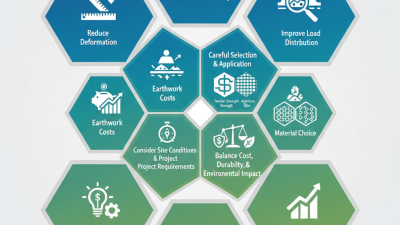
In the realm of civil engineering and construction, Cirtex Geogrid solutions stand out as a vital component for enhancing ground stability and strength. According to a report by Freedonia Group, the geosynthetics market is projected to reach $20 billion by 2025, highlighting the growing demand for innovative materials. Cirtex Geogrid plays a crucial role in various applications, including road construction, retaining walls, and landfill projects. These products effectively distribute loads over a broader area, minimizing deformation and failure risk.
The use of Cirtex Geogrid not only improves structural integrity but also increases the lifespan of infrastructure. A study from Geosynthetics Magazine shows that projects utilizing geogrids can reduce material costs by up to 30%. However, the implementation of these solutions is not without challenges. Material selection, installation techniques, and environmental conditions must be carefully considered. Buyers often face difficulties in assessing the most suitable geogrid type for their specific projects.
Overall, as the demand for sustainable construction practices grows, the importance of Cirtex Geogrid cannot be overstated. This innovative solution aligns with industry trends toward resilience and environmental responsibility. Ensuring that buyers make informed choices requires not only awareness of advantages but also an understanding of potential limitations.
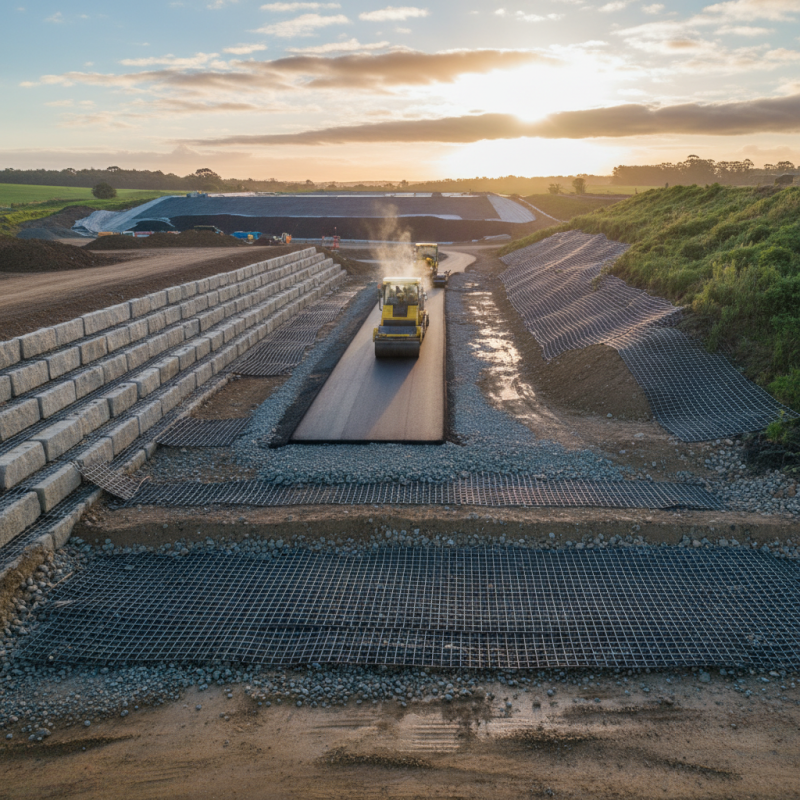
Overview of Cirtex Geogrid Solutions for Buyers Worldwide
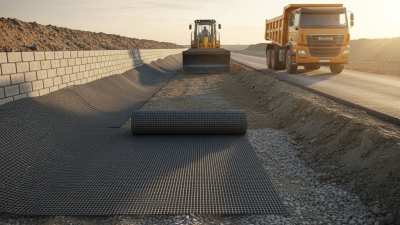
Cirtex geogrids offer innovative solutions for global buyers seeking reliable reinforcement materials. They are designed for various applications, including soil stabilization, roadway construction, and retaining wall systems. Their high tensile strength and durability make them ideal for challenging environmental conditions. These characteristics enhance the performance of civil engineering projects while ensuring cost-effectiveness.
One critical aspect of using geogrids is understanding the specific needs of each project. Buyers must consider factors like soil type and loading conditions. Different projects demand tailored solutions. Experience tells us that proper installation plays a vital role in performance. Mistakes in installation can lead to failures down the line, making training and quality assurance crucial.
Reliability is paramount when selecting geogrid solutions. Contractors should seek manufacturers with proven histories. However, navigating the global marketplace can be difficult. Not every company maintains the same standards. Buyers are urged to conduct thorough research and ask for performance data. This ensures they select the most competent solutions for their needs.
Key Features of Cirtex Geogrids and Their Applications
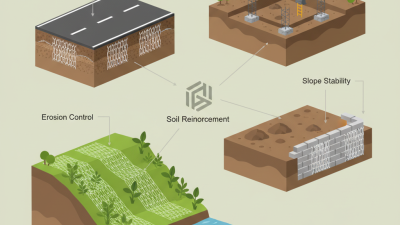
Cirtex geogrids are essential in modern construction and landscaping. They provide excellent soil reinforcement, making them suitable for various applications. These geogrids efficiently distribute loads, enhancing stability in roads and structures. Their design allows for improved drainage, reducing water accumulation in critical areas.
One effective feature of Cirtex geogrids is their durability. Made from high-quality materials, they withstand harsh weather conditions. This longevity makes them preferable in high-traffic areas. However, choosing the right type of geogrid requires careful consideration of specific project needs.
Tips: Assess soil types before installation. This ensures optimal performance from the geogrids. Installing them at the correct depth can further enhance their effectiveness. Always consult with a professional for best practices in your region.
In addition to strength, these geogrids contribute to sustainable practices. Their use minimizes the need for excessive earthworks, preserving the environment. Yet, a knowledge gap exists for some buyers regarding their optimal use cases, indicating a need for better education in the market. Understanding when and where to apply geogrids will lead to increased efficiency and reduced costs in construction.
Key Features of Cirtex Geogrids and Their Applications
Comparative Analysis of Cirtex Geogrids vs. Competitors
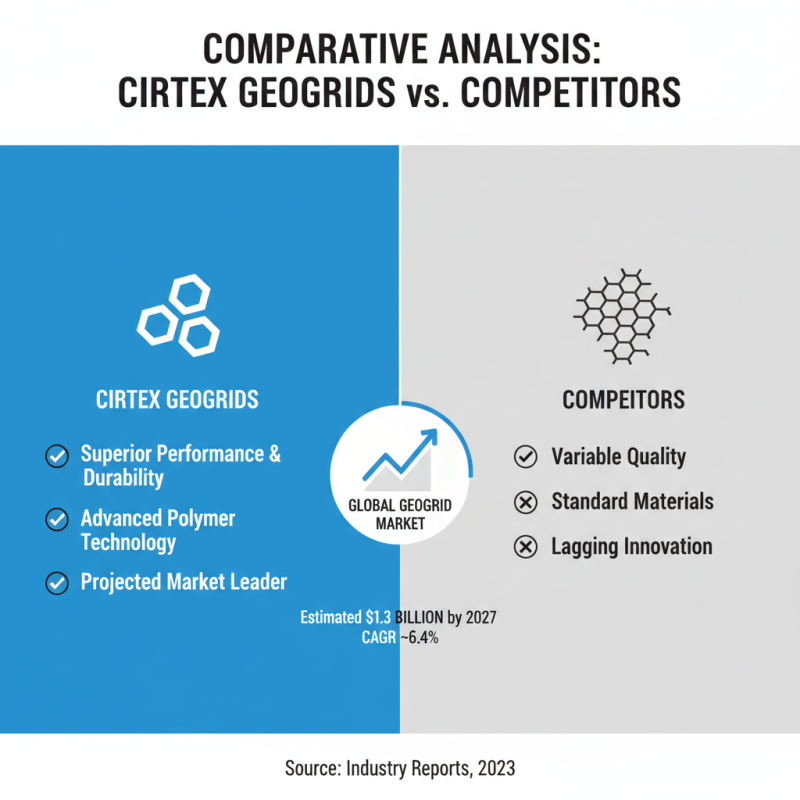
When evaluating geogrid solutions, it's essential to compare their performance and features. Recent industry reports suggest that the global geogrid market is projected to reach approximately $1.3 billion by 2027, growing at a CAGR of about 6.4%. This growth highlights the importance of selecting high-quality geogrid materials.
Cirtex geogrids are well-regarded for their innovative design and superior tensile strength. They often outperform competitors in load distribution and soil stabilization. According to a 2022 technical study, geogrids that feature optimized apertures can increase the strength of reinforced soil structures by up to 30%. This improvement is significant for engineers and contractors seeking durable solutions.
**Tip:** Always verify the material's specifications. Look for detailed tensile strength data and consider how different designs can impact your project outcomes.
Competitors may offer lower initial costs, but this can lead to higher maintenance expenses over time. For instance, geogrids with lower durability may require replacement more frequently. This not only affects long-term budgets but also raises concerns about sustainability.
**Tip:** Evaluate long-term performance over short-term savings. A reliable geogrid can often pay for itself in reduced maintenance costs.
Ultimately, choosing the right geogrid solution requires careful consideration of performance metrics and project needs. Solid data guides smarter decisions, empowering buyers to make informed choices.
Sourcing and Supply Chain Considerations for Global Buyers
When sourcing geogrid solutions, global buyers face numerous challenges. Understanding local market needs is crucial. According to recent industry reports, over 70% of buyers prioritize quality and durability over cost alone. This highlights the importance of evaluating materials, like high-performance polymers, which improve soil stabilization and load distribution.
Supply chain considerations are also critical. Many suppliers experience delays in product delivery, impacting project timelines. The 2022 Global Geosynthetic Market Analysis indicated that more than 30% of projects are affected by supply chain disruptions. Additionally, buyers must assess the reliability of their suppliers’ logistics. A consistent supply of geogrids is necessary for meeting construction demands efficiently.
Risk assessment is another essential factor. Identifying potential supply chain vulnerabilities can prevent project setbacks. A survey by the International Geosynthetics Society revealed that 25% of industry leaders reported significant procurement challenges. As such, buyers should cultivate relationships with multiple suppliers. Diversifying the supply base can mitigate risks and enhance stability in geogrid sourcing.
Best Cirtex Geogrid Solutions for Global Buyers
| Region |
Geogrid Type |
Application |
Material |
Strength (kN/m) |
Unit Price (USD/m²) |
| North America |
Biaxial Geogrid |
Road Construction |
Polyester |
30 |
1.50 |
| Europe |
Uniaxial Geogrid |
Slope Stabilization |
Polypropylene |
50 |
2.00 |
| Asia |
Biaxial Geogrid |
Pavement Reinforcement |
Fiberglass |
25 |
1.20 |
| Latin America |
Uniaxial Geogrid |
Earth Retention |
High Density Polyethylene |
40 |
1.80 |
Best Practices for Implementing Cirtex Geogrid Solutions in Projects
Implementing geogrid solutions effectively in projects can significantly enhance soil stability and load distribution. When integrating these materials, careful site assessment is crucial. Understanding local soil types and environmental conditions will guide appropriate material selection. Some buyers might overlook this stage, leading to mismatched solutions.
Collaboration is vital during the project planning phase. Engaging with engineers familiar with geosynthetics ensures design optimization. Discussing installation methods can help address potential challenges early. Documenting each step fosters accountability among team members. Sometimes, communication gaps can hinder progress. This potential pitfall must be avoided to maintain project timelines.
Monitoring performance post-installation is essential for future reference. Evaluating how well the geogrids perform in real-world conditions provides valuable insights. Any adverse results should lead to a thorough analysis for improvement. Too often, teams neglect this reflection phase, missing opportunities to enhance future projects.
Prioritizing these practices can lead to better outcomes and reliability in geogrid applications.