How to Choose the Right Geotech Fabric for Your Project?
Selecting the right geotech fabric is crucial for project success. Renowned geotechnical engineer Dr. Emily Carter emphasizes, "Choosing the right geotech fabric can make or break your project." This highlights the importance of informed decisions in this specialized field.
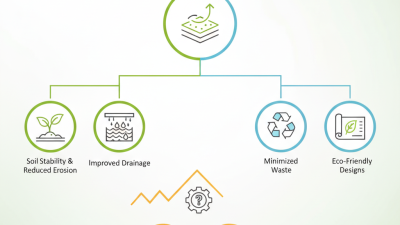
Each project has unique requirements. The correct geotech fabric provides stability, enhances drainage, and prevents soil erosion. However, many struggle with selection. Common pitfalls include using the wrong type for specific soil conditions or project goals. This can lead to increased costs or project failures.
Understanding materials is key. Geotech fabrics come in various types, such as woven and non-woven. Each serves different purposes. These choices add complexity. Professionals must weigh factors like durability, permeability, and environmental impact. Ultimately, a thoughtful selection process is essential for optimal performance and long-term success.

Understanding the Basics of Geotech Fabrics and Their Functions
Geotechnical fabrics play a crucial role in construction and landscaping projects. These fabrics help manage soil erosion, drainage, and even the stability of structures. Understanding the different types of geotech fabrics is essential before making a selection. For example, woven fabrics are typically strong and suitable for heavy loads, while non-woven fabrics provide excellent drainage solutions. According to a report from Geosynthetic Research Institute, geotechnical fabrics reduce soil erosion by up to 90% in specific applications.
When choosing the right geotech fabric, consider the project's environmental conditions. Will it be exposed to water? Is there heavy foot traffic? The material’s durability is crucial. Research suggests that the lifespan of these fabrics can vary significantly, with some lasting over 25 years in the right conditions. It's wise to consult project specifications and local regulations before making a decision.
Tips: Always assess the underlying soil type. Knowing your soil can guide you to the appropriate fabric for optimal performance. Also, check the fabric's permeability. Too much drainage might wash away soil, while too little can lead to pooling. A balance is key.
Evaluating Project Requirements for Appropriate Geotech Fabric Selection
When evaluating project requirements for geotechnical fabric selection, understanding the soil type is crucial. Different fabrics offer various properties, such as drainage, filtration, and erosion control. According to a recent industry report, 70% of project failures can be traced to inappropriate material choice. Soil characteristics affect stress distribution and stability, which makes informed choices essential.
Another key factor is the environmental conditions. Project sites may face varying weather impacts. A National Research Council study noted that geotextile performance can vary widely under wet versus dry conditions. Selecting fabric that matches specific climate conditions can enhance project longevity. Oversight in this area leads to risks, including higher maintenance costs and structural damage.
Project scale also influences fabric selection. Larger projects may require higher tensile strength and UV resistance. Data from construction case studies reveal that inadequate material can result in up to 40% increase in project costs. Therefore, assessing project scale and soil interaction is essential for effective geotextile deployment. Careful evaluation can mitigate risks and promote project success.
Comparing Different Types of Geotech Fabrics and Their Applications
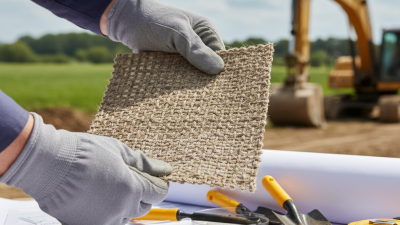
When it comes to selecting geotech fabrics, understanding their different types is crucial. Non-woven geotextiles excel in filtration and drainage. They provide a reliable barrier against soil particles. This is particularly useful in applications like road construction and erosion control. On the other hand, woven geotextiles offer exceptional strength. Their load-bearing capacities make them ideal for heavy-duty projects, such as retaining walls.
Geocomposites combine multiple functions. They often include drainage layers with filtration capabilities. However, their complexity can pose challenges in installation. Some engineers may overlook the specific needs of a project, leading to suboptimal performance. Additionally, biodegradable geotextiles present an eco-friendly alternative. While effective, they require careful consideration of their lifespan in the intended application.
Selecting the right fabric involves balancing performance and project requirements. Each type has its strengths and weaknesses. It's essential to analyze soil conditions, environmental factors, and project duration. A thorough understanding of these elements leads to better choices. Sometimes, industry standards may not align with specific project needs. This can result in unexpected issues down the road. Reflecting on these factors can ultimately guide a more informed decision-making process.
How to Choose the Right Geotech Fabric for Your Project? - Comparing Different Types of Geotech Fabrics and Their Applications
| Type of Geotech Fabric |
Material |
Primary Application |
Benefits |
Limitations |
| Woven Geotextiles |
Polypropylene or Polyester |
Separation and Reinforcement |
High tensile strength, excellent drainage |
Less filtration efficiency |
| Non-Woven Geotextiles |
Polypropylene and Needle-punched |
Filtration and Drainage |
Good filtration, easy to install |
Lower tensile strength than woven |
| Geogrid |
Polyester or Polypropylene |
Subgrade reinforcement |
Improves load distribution, reduces settlement |
Can be more expensive |
| Geocells |
Polymer Material |
Slope stabilization and erosion control |
Versatile, provides load support |
Installation can be labor-intensive |
| Geocomposite |
Combination of geotextiles with geomembranes |
Landfill and containment applications |
Excellent barrier properties |
Can be more complex to install |
Factors to Consider: Durability, Cost, and Environmental Impact
Choosing the right geotextile fabric is crucial for any construction project. Three key factors include durability, cost, and environmental impact. Each factor influences your project’s overall success.
Durability ensures that the fabric can withstand environmental stresses. Look for materials that resist UV degradation and have excellent tensile strength. Some fabrics may seem durable but lose their integrity over time. Conduct field tests to verify performance.
Cost is a significant consideration. More expensive fabrics often provide better durability and performance. However, low-cost options may lead to issues down the line. Evaluate total costs, including installation and maintenance, to make an informed decision.
Consider the environmental impact as well. Some fabrics are more sustainable than others. Explore options made from recycled materials. Assess how disposal will affect the environment upon project completion.
**Tips**: Always consult with a geotechnical expert when selecting materials. Do not base choices solely on initial costs. Understand the long-term implications of your decisions. They can help avoid costly mistakes later.
Tips for Sourcing and Quality Assurance in Geotech Fabric Procurement
When sourcing geotech fabrics, quality assurance is vital. Understanding the material's specifications is crucial. For instance, the tensile strength of geotextiles can range widely, but industry standards indicate that it often needs to exceed 50 kN/m for effective soil stabilization. Insufficient strength can lead to project failures, highlighting the necessity of thorough testing.
Verification of material origin is also key. A report from the Geosynthetic Materials Association indicates that 30% of geotech fabric fails due to improper manufacturing processes. Clients should request certificates of compliance from suppliers to ensure product integrity. Conducting third-party testing can help verify that the fabrics meet specified criteria, which is sometimes overlooked in procurement.
Additionally, consider environmental factors. Certain geotech fabrics are more suitable for different climates and soil conditions. A fabric that performs well in one region might falter in another. This is why context-specific research and expert consultation are essential, as they can prevent costly mistakes. Some buyers often fail to evaluate environmental impacts, leading to suboptimal choices in fabric selection.