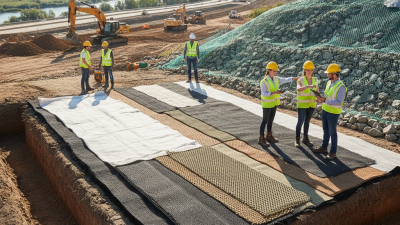
2026 How to Use Coir Geotextile for Effective Soil Erosion Control?
Soil erosion is a significant issue affecting agricultural productivity and environmental sustainability. According to the Food and Agriculture Organization (FAO), soil erosion can reduce crop yields by up to 50% in severely affected areas. Effective erosion control strategies are vital for maintaining soil health and promoting biodiversity. One innovative solution is the use of Coir Geotextile.
Coir Geotextile is a natural fiber product made from coconut husks. It has been recognized for its strength and ability to promote vegetation growth. In various studies, it has been shown to reduce soil erosion by over 80% in specific applications. This effectiveness is attributed to its capacity to absorb moisture and provide a stable environment for plant roots. Users must consider factors such as installation methods and environmental conditions to maximize its benefits.
Despite the advantages, there are challenges in using Coir Geotextile effectively. Improper installation or lack of maintenance can lead to suboptimal results. Users need to be aware of these pitfalls and ensure proper application. Overall, when used correctly, Coir Geotextile can be a powerful tool in the fight against soil erosion, fostering healthier ecosystems and sustainable agricultural practices.
Understanding Coir Geotextile and Its Benefits in Soil Erosion Control
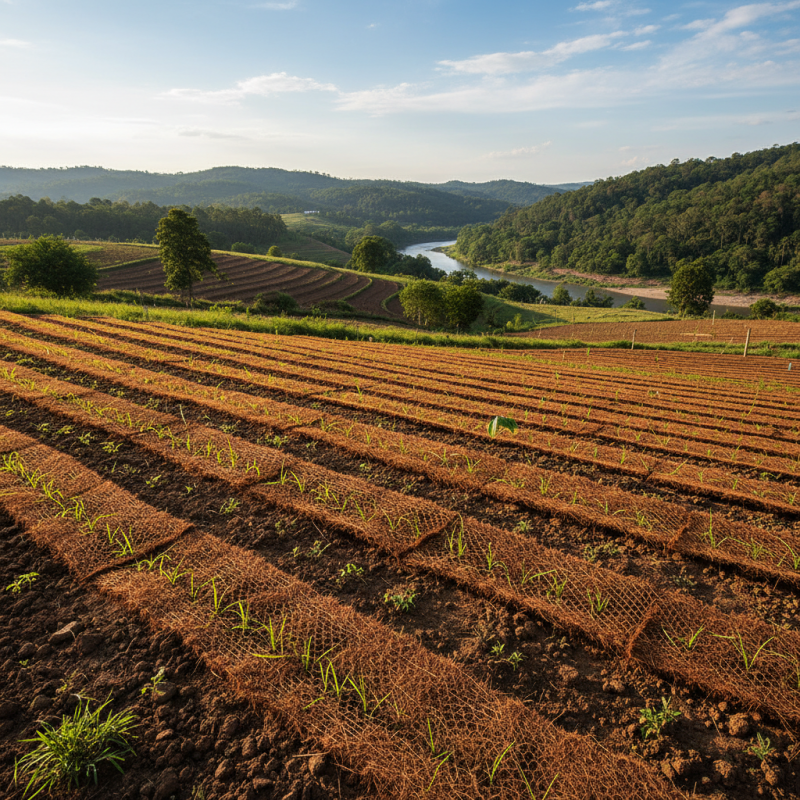
Coir geotextiles are natural fibers derived from coconut husks. They play a vital role in soil erosion control. Studies show that coir geotextiles can reduce soil erosion by up to 80% in certain applications. Their porous nature allows water to pass through while retaining soil particles. This promotes vegetation growth that further stabilizes the soil.
Utilizing coir geotextiles can yield multiple benefits. They are biodegradable and sustainable, making them an eco-friendly option. Their ability to support plant growth enhances soil fertility. The fibers are durable, providing long-lasting protection. Reports indicate a significant reduction in sediment runoff when coir geotextiles are employed in landscaping and civil engineering projects.
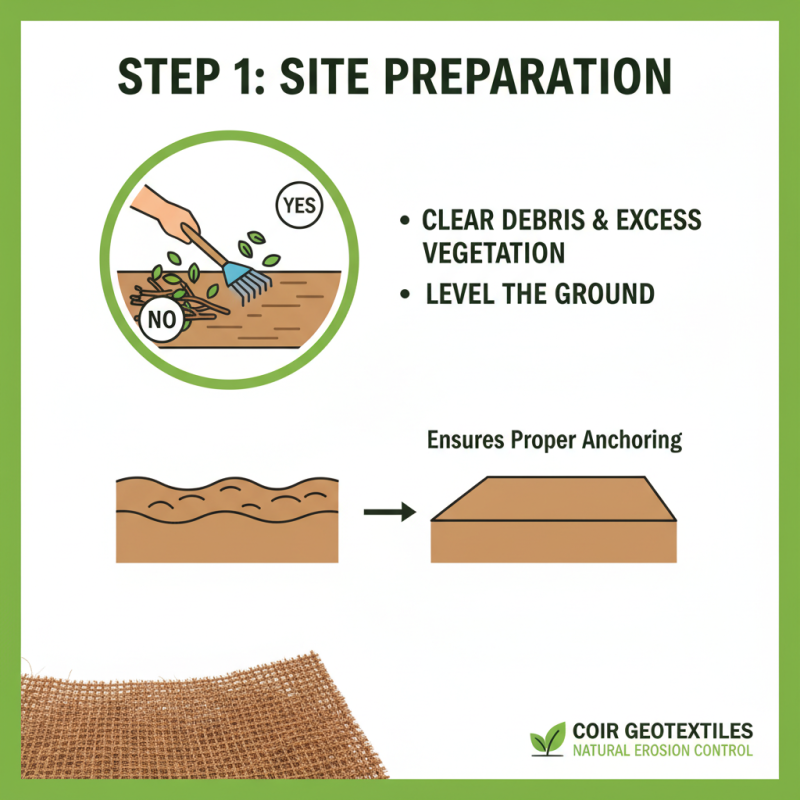
Tips for using coir geotextiles effectively include ensuring proper installation. They should be laid flat to avoid wrinkles. Regular maintenance is essential to check for signs of degradation. Over time, coir geotextiles can lose effectiveness, so periodic monitoring is vital. While many projects succeed, some may not achieve the desired results. Factors like soil type and climate play critical roles. Thus, local conditions should always be evaluated before application.
Key Properties of Coir Geotextiles: Durability and Environmental Impact
Coir geotextiles offer durability and sustainability. Made from coconut husks, they provide excellent structural support. The fibrous nature ensures strong friction against soil. This enhances soil stability and significantly reduces erosion.
The environmental impact of coir geotextiles is noteworthy. They are biodegradable, breaking down over time without harming ecosystems. This is a significant advantage over synthetic alternatives. However, one must consider sourcing practices. Unsustainable harvesting could lead to environmental degradation.
Using coir geotextiles demands careful management. Installation methods should be aligned with local conditions. Improper application can lead to failure, causing erosion to worsen. Awareness is key in achieving effective results. The balance between utility and ecological footprint is paramount for successful erosion control.
2026 How to Use Coir Geotextile for Effective Soil Erosion Control? - Key Properties of Coir Geotextiles: Durability and Environmental Impact
| Property |
Description |
Impact on Erosion Control |
| Durability |
Coir geotextiles are known for their strength and longevity, often lasting several years under various environmental conditions. |
Higher durability leads to prolonged erosion control, reducing the need for frequent replacements. |
| Biodegradability |
Unlike synthetic materials, coir geotextiles are fully biodegradable, breaking down naturally over time. |
This property ensures no long-term accumulation of pollutants, promoting environmental health. |
| Water Retention |
Coir fibers have excellent water retention capabilities, which supports vegetation growth. |
Enhanced vegetation growth aids in stabilizing soil and reducing erosion. |
| UV Resistance |
Coir can resist degradation from UV exposure, maintaining its effectiveness over time. |
Improved resistance to UV light extends the lifespan and reduces maintenance needs. |
| Cost-Effectiveness |
While initial costs may vary, the long-term benefits and reduced maintenance lead to overall cost effectiveness. |
Cost-effective solutions enhance investment returns for soil erosion control projects. |
Comparative Analysis: Coir Geotextiles vs. Synthetic Alternatives in Erosion Management
Coir geotextiles have increased in popularity for soil erosion control. Compared to synthetic alternatives, coir offers natural benefits that enhance soil stability. According to the International Journal of Erosion Control Engineering, coir mats can reduce erosion rates by over 70% in specific conditions. In contrast, synthetic fabrics often degrade faster, impacting their long-term effectiveness.
Coir geotextiles are biodegradable, so they blend well with the ecosystem. This makes them suitable for projects where environmental sustainability is a priority. A comparative study by the Environmental Protection Agency highlights that coir provides better moisture retention than some synthetic options. This means healthier plant growth and improved soil structure over time. However, coir can be more expensive than some synthetic materials, posing a challenge for budget-conscious projects.
**Tip:** Consider the specific site conditions. Coir might be a better match for areas with high moisture levels, while synthetic options may serve better in dry regions.
**Tip:** Monitor the installation. Proper application is crucial. Misalignment can lead to ineffective erosion control.
Erosion management is complex. There are varying site requirements and potential for unanticipated outcomes. It’s wise to conduct thorough research before choosing the right material.
Comparative Analysis of Coir Geotextiles vs. Synthetic Alternatives in Erosion Management
Case Studies: Successful Applications of Coir Geotextiles in Various Environments
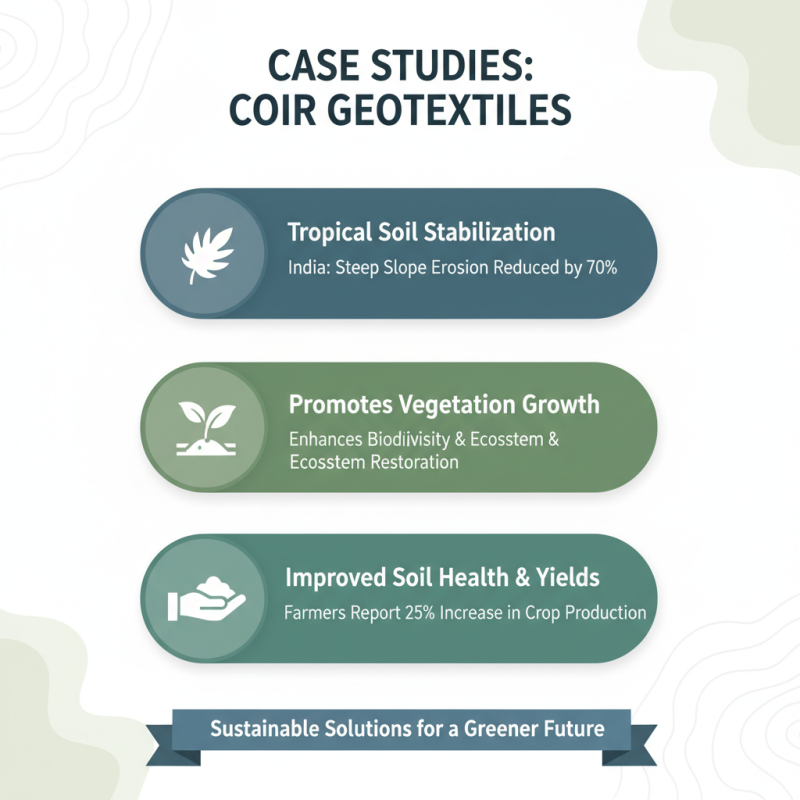
Coir geotextiles have shown great potential in various environmental contexts. In tropical regions, they provide excellent soil stabilization. A case study in India demonstrated significant reductions in erosion rates on steep slopes. Farmers reported improved soil health and crop yields. Coir's natural properties promote vegetation growth, creating a sustainable ecosystem.
In coastal areas, coir geotextiles help combat beach erosion. A project in Sri Lanka utilized these materials to restore sandy shores. The initiative not only protected the coastline but also increased local biodiversity. However, some challenges arose. High tidal conditions sometimes washed away early installations. Continuous monitoring and adjustment were necessary to enhance effectiveness.
Urban implementations have also yielded results. Cities in Southeast Asia employed coir geotextiles in stormwater management. They effectively retained sediment and improved water quality in drainage systems. Yet, user training was essential. Misapplication or lack of knowledge led to suboptimal results. Ongoing education is crucial for maximizing the benefits of coir geotextiles.