What is Gsm Geotextile and How Does it Work?
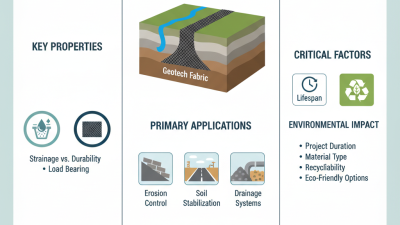
Gsm Geotextile is an essential material in modern engineering. It plays a crucial role in soil stabilization, drainage, and erosion control. This fabric, measured in grams per square meter (gsm), is designed for various applications in construction and landscaping.
The effectiveness of Gsm Geotextile lies in its ability to separate, filter, reinforce, and protect soil layers. For instance, it prevents soil mixing in road construction. By allowing water to flow while keeping soil particles intact, it enhances durability and longevity. Its lightweight nature makes it easy to handle, yet it withstands significant pressure.
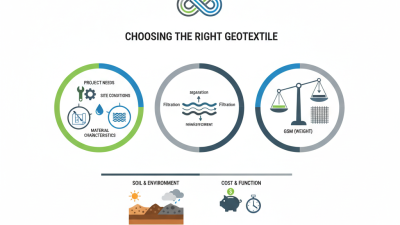
However, not all Gsm Geotextile products are created equal. Some may not perform as expected under certain conditions. It's essential to choose the right gsm rating based on project needs. Misapplication can lead to inefficiencies and increased costs. Therefore, careful consideration and research are crucial before making a decision.
What is GSM Geotextile?
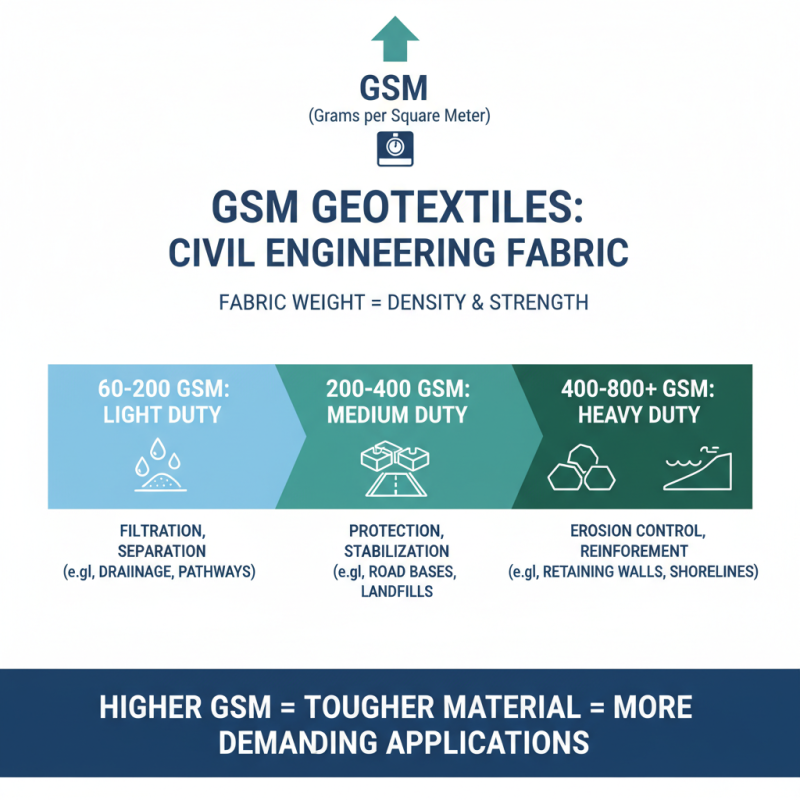
GSM geotextile is a fabric used in civil engineering and construction projects. GSM stands for grams per square meter, a measure of the fabric's weight. A higher GSM value indicates a denser and more robust material. Typically, GSM geotextiles range from 60 to 800. This variation allows for specific applications, from lightweight filtration to heavy-duty erosion control.
These fabrics play a crucial role in soil stabilization. They prevent soil erosion by facilitating drainage while providing strong support. According to industry reports, proper use of GSM geotextiles can reduce soil displacement by up to 70%. Their utility in projects like road construction and landscaping is unparalleled. However, improper selection or installation can hinder their effectiveness, leading to potential project failures.
Furthermore, the environmental impact of GSM geotextiles is an ongoing concern. While they aid in erosion control, the types of materials used can affect sustainability. Some geotextiles are made from non-biodegradable substances. This raises questions about their long-term effects on ecosystems. Exploring alternative, eco-friendly materials is essential in the industry. Geotextile applications may benefit from reduced environmental footprints moving forward.
Key Properties of GSM Geotextile Materials
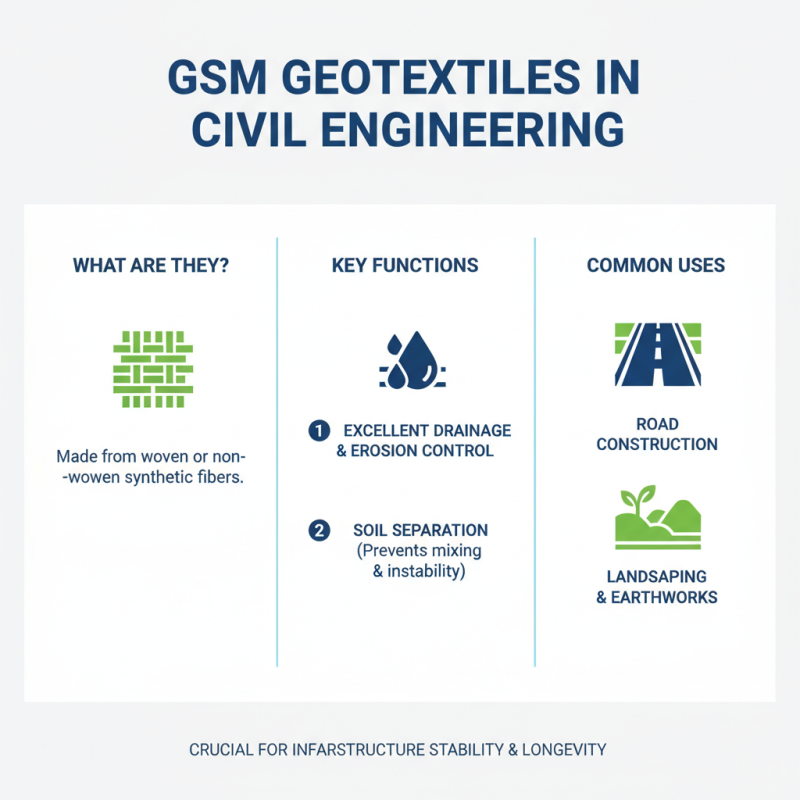
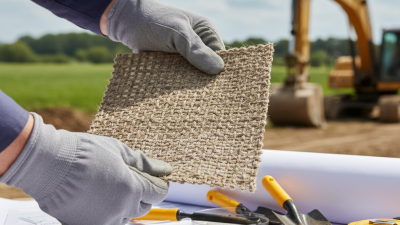
GSM geotextiles are crucial in civil engineering. They are made from woven or non-woven synthetic fibers. This material provides excellent drainage and erosion control. It is commonly used in road construction and landscaping. One notable feature is its ability to separate soil layers. This prevents mixing, which can lead to instability.
Key properties of GSM geotextile materials include high tensile strength. This strength helps in withstanding harsh environments. They are lightweight, making handling easier on site. Also, these geotextiles are permeable. Water can flow through without allowing soil particles to escape. This property enhances road durability and reduces maintenance costs.
**Tip:** When choosing GSM geotextiles, consider the specific application. They must match the project requirements for optimal performance. Improper selection can lead to unintended consequences. For instance, using a geotextile with low strength may result in structural issues.
Another essential property is UV resistance. This extends the lifespan of the material under exposure to sunlight. Yet, some products may degrade over time if not chosen wisely. Regular inspections of installed products are necessary to ensure effectiveness. Remember, a little diligence can prevent major headaches later.
Applications of GSM Geotextile in Construction and Landscaping
GSM geotextile is a versatile material widely used in construction and landscaping. Its strength and durability make it an ideal choice for various applications. In construction, it provides soil separation and stabilization. By preventing soil mixing, it enhances pavement longevity.
In landscaping, GSM geotextile plays a crucial role in erosion control and drainage. It helps maintain soil integrity while allowing excess water to flow through. Recent studies show that projects using geotextiles can reduce erosion by as much as 50%. This statistic highlights the material's effectiveness in protecting landscapes.
Tips: When working with GSM geotextile, ensure proper installation. Incorrect placement can lead to failure in its intended function. Be mindful of the type of soil and local conditions. Not all geotextiles are suitable for every application.
Some projects may overlook proper research on GSM geotextiles. This oversight can lead to unnecessary expenses. It's important to evaluate specific site needs. Regular inspections post-installation are also critical. They help identify any potential issues early on, ensuring project longevity.
How GSM Geotextile Functions in Soil Stabilization
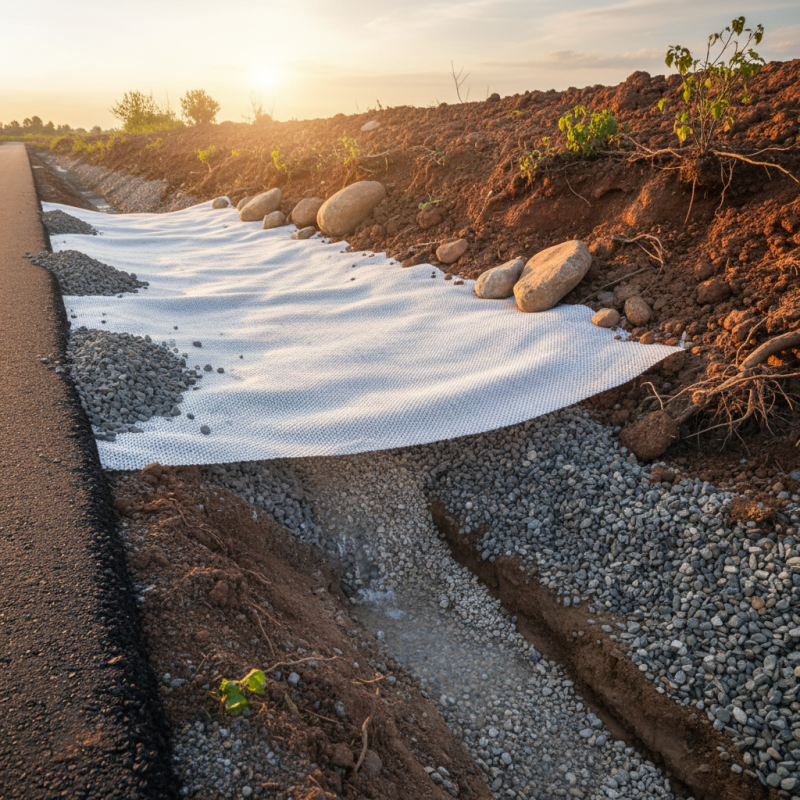
GSM geotextile plays a crucial role in soil stabilization. It consists of a woven or non-woven fabric, which provides support to the soil structure. By distributing loads over a larger area, it helps prevent soil erosion. The fabric allows water to pass through while retaining soil particles, which enhances drainage. This dual function is vital for maintaining soil integrity.
In practical applications, GSM geotextile is often used under roads and pavements. It helps reduce settling and extends the lifespan of the surfaces. However, improper installation can lead to failures. If the fabric is not placed correctly, it may not provide the intended support. Soil conditions also must be evaluated beforehand; otherwise, the effectiveness is compromised.
Some projects overlook the need for proper maintenance of GSM geotextiles. Without regular checks, wear and tear can occur, leading to reduced functionality. Assessing the environmental impact is also important; some fabrics can degrade faster under certain conditions. Inadequate monitoring can result in unexpected challenges, emphasizing the need for thorough planning and evaluation in any soil stabilization project.
Advantages of Using GSM Geotextile in Engineering Projects
GSM geotextile is a versatile material used in various engineering projects. Its primary function is to reinforce soil and prevent erosion. This fabric acts as a barrier, allowing water to flow while retaining soil particles. Many engineers favor it for its durability and effectiveness.
One key advantage of GSM geotextile is its strength. It can withstand significant pressure and weight, making it suitable for roads and embankments. This strong fabric is also cost-effective. Many projects save money using geotextile instead of traditional methods. Reduced maintenance needs are another perk.
However, challenges can arise. Installation requires careful planning. Poor installation can lead to failure in specific applications. It's crucial to assess soil conditions before using GSM geotextile. Engineers must ensure it fits the project requirements properly.
Advantages of GSM Geotextile in Engineering Projects