Geogrid Fabric is revolutionizing the construction industry. This innovative material enhances soil stability and improves project efficiency. Used in various applications, its benefits are extensive.
Geogrid Fabric strengthens subgrades and reduces soil movement. It plays a crucial role in retaining walls and road construction. With its excellent load distribution properties, it minimizes the risk of failure.
However, not all projects benefit equally from Geogrid Fabric. Proper assessment is important. Sometimes, costs can outweigh benefits. Understanding specific project needs helps in making informed decisions.
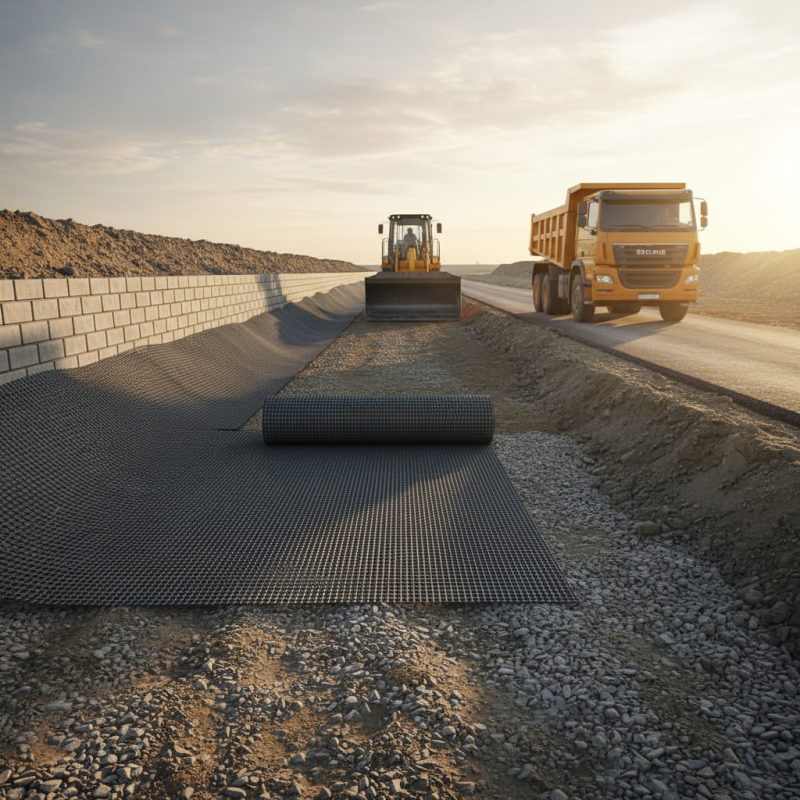
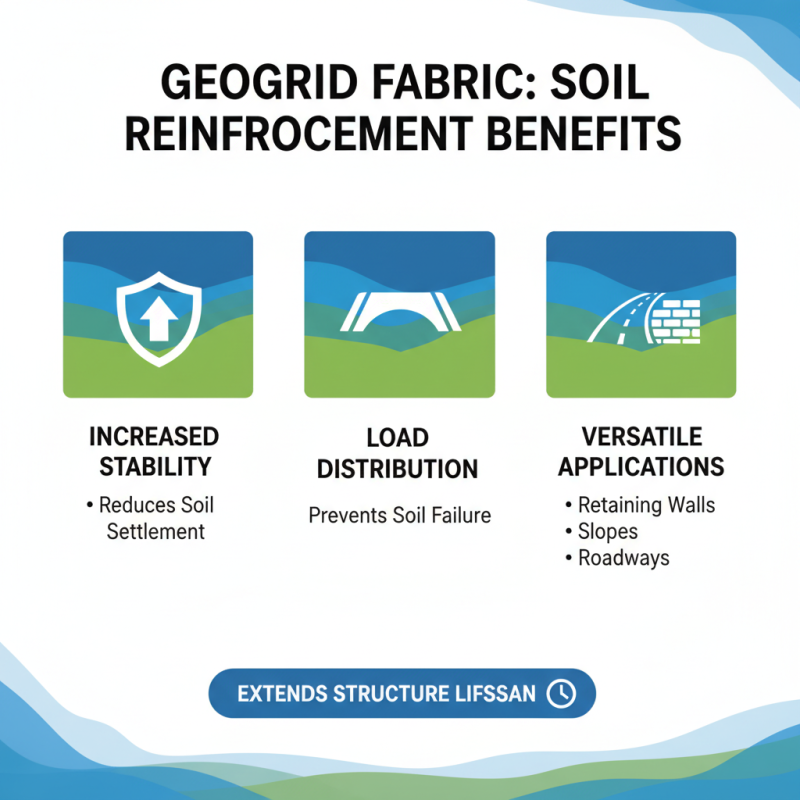
Geogrid fabric plays a crucial role in soil reinforcement applications. It serves to improve stability and reduce settlement in construction projects. By distributing the load over a larger area, it helps in managing stress and preventing soil failure. This type of fabric can be used in retaining walls, slopes, and roadways. It can enhance the lifespan of structures significantly, making it a sound investment.
When implementing geogrid fabric, consider the soil type. Different soils react uniquely to reinforcement. Make sure to test the soil before installation. This can help ensure optimal performance. Improper alignment or installation of geogrid can lead to failures. Pay attention to detail during this process.
Incorporating geogrid fabric can lead to sustainable construction. It minimizes the need for excavation and reduces waste. However, it's essential to balance its use with environmental considerations. Over-reliance on synthetic materials could lead to unforeseen problems. Reflect on your project needs and assess the long-term impacts of your choices.
Geogrid fabric plays a crucial role in enhancing load distribution in construction projects. This innovative material can significantly improve the stability of soil and other surfaces. By reinforcing the ground, it helps distribute weight evenly across large areas. This reduces the risk of settlement or failure. Consider a construction site with heavy equipment; geogrids prevent localized stress. They ensure that the loads from heavier elements do not cause significant deformation.
Using geogrid fabric can lead to unexpected challenges. For instance, improper installation may negate its benefits. It's vital to ensure that the fabric is laid out correctly to maximize its effectiveness. In some cases, local topography and ground conditions can complicate this process. Engineers should conduct thorough assessments before incorporating geogrids into their designs. While geogrids offer many advantages, neglecting proper practices can lead to underperformance.
Incorporating this technology offers great potential in construction. Yet, teams must remain vigilant about their process. Regular inspections and testing are essential to ensure long-term performance. A project that neglects these elements may face difficulties down the line. Balancing the benefits with practical considerations will lead to successful outcomes.
Geogrid fabric plays a vital role in improving drainage solutions for construction projects. When soil retains water, it can lead to settling or even structural failure. By incorporating geogrid, you can enhance soil stability, allowing for better drainage. This technology works by reinforcing soil layers, preventing excessive water accumulation.
The installation of geogrid not only aids in drainage but also reduces erosion. Many construction sites face challenges like soil washout during rain. Geogrid helps slow down this process, providing time for plants to establish roots. However, achieving the right design and layout is crucial. Misalignment can lead to inadequate performance, and proper assessment before installation is necessary.
Real-world applications show that geogrid fabric can significantly impact project longevity. Observing changes over time reveals the benefits of effective drainage solutions. Yet, the installation process must be monitored closely. Neglect can lead to problems like insufficient drainage, which could compromise the entire project. Balancing the advantages of geogrid with careful planning is essential for success.
When it comes to construction projects, cost efficiency is paramount. Geogrid fabric plays a vital role in reducing expenses. According to the Federal Highway Administration, integrating geogrid can lower material costs by up to 50% in base stabilization. This reduction stems from the fabric's ability to distribute loads effectively, which minimizes the need for thicker layers of aggregate.
A study by the National Academy of Sciences showed that projects using geogrid reduced labor costs significantly. Labor savings reached nearly 30% due to faster installation and fewer materials required. These savings are crucial for budget-conscious developments, ensuring optimal resource allocation.
Tips: Consider conducting a cost-benefit analysis before selecting materials. Geogrid may seem like an upfront investment, but it pays off over time. Always factor in long-term maintenance costs. Geogrid's durability leads to fewer repairs, making it a solid choice for sustainability-focused projects.
While geogrid fabric offers great benefits, potential challenges exist. Misapplication during installation can lead to project delays. Connecting with experienced contractors is essential for avoiding these pitfalls. Investing in quality training for your team can also mitigate risks associated with incorrect use.
| Benefit | Description | Cost Efficiency |
|---|---|---|
| Enhanced Load Distribution | Geogrids help distribute loads over a larger area, reducing pressure on the ground. | Lower foundation costs due to reduced soil treatment. |
| Soil Stabilization | Improves soil cohesion and minimizes erosion, providing a stable base. | Decreases the need for extensive ground improvements. |
| Reduction in Material Usage | Less aggregate required thanks to improved tension and support from geogrids. | Lower material and transport costs. |
| Quick Installation | Geogrids are lightweight and easy to install, speeding up project timelines. | Cost savings from reduced labor hours. |
| Durability | Resistant to weathering and chemical degradation, ensuring long-term performance. | Reduces replacement and maintenance costs over time. |
| Versatility | Applicable in various soil types and conditions, enhancing project applicability. | Less customization needed for different projects. |
| Reduced Settlement | Minimizes settlement issues, providing a more stable structure. | Less need for ongoing structural adjustments. |
| Environmental Benefits | Utilizes recyclable materials in many geogrid products. | Potential savings from environmental compliance and incentives. |
| Improved Drainage | Geogrids can improve water flow, reducing the risk of flooding. | Minimized costs related to flood damage and remediation. |
| Cost-Effective Solution | Overall, geogrids provide an economical choice for construction and infrastructure. | Long-term savings significantly outweigh initial costs. |
Geogrid fabric plays a crucial role in construction projects. Its long-term durability is one of its standout features. The material is designed to withstand extreme weather and heavy loads. This makes it ideal for roadways, retaining walls, and other structures.
When using geogrid, consider the installation method carefully. Proper installation can significantly extend its lifespan. An imperfect or careless approach might lead to failures sooner than expected. Ensure the ground is well-prepared and that the geogrid is tensioned correctly. This will enhance performance over time.
Maintenance is often neglected but is essential. Regular checks for soil erosion and structural shifts can prevent costly repairs. Look out for signs of distress, like cracks or shifting. Address these issues sooner rather than later to ensure longevity. A proactive maintenance plan will pay off in the long run.