Global demand for engineered ground solutions is expanding as roads, railways, drainage systems, and coastal projects face heavier service requirements. Grand View Research reported that the global geosynthetics market was valued at more than USD 13 billion in 2023, with continued growth expected through 2030. MarketsandMarkets also identifies infrastructure development and erosion control as major demand drivers. These figures describe the wider sector, not Geotextile Tape alone. That distinction matters.
Geotextile Tape supports practical tasks such as seam reinforcement, membrane joining, edge protection, and temporary surface repair. On a construction site, performance can depend on a dusty substrate, changing temperatures, or repeated handling. A low-cost roll may look attractive, yet weak adhesion can create expensive rework. Poor storage can matter, too. Humidity, ultraviolet exposure, and unsuitable packaging may reduce reliability before installation begins.
This guide reviews the Top 10 Geotextile Tape Suppliers for Global Buyers through a purchasing-focused lens. It considers product consistency, backing materials, adhesive performance, roll dimensions, customization, documentation, and export experience. Reference points include ASTM and ISO testing practices, supplier technical data sheets, and published industry research. However, no ranking fits every project. A supplier serving landfill liners may not suit a highway drainage contractor. Reported market data also varies because analysts define geosynthetics differently. Buyers should verify test results, batch information, application limits, and delivery terms directly. Small details often decide field performance. In some cases, the “best” supplier is simply the one that answers technical questions clearly and supplies repeatable quality.
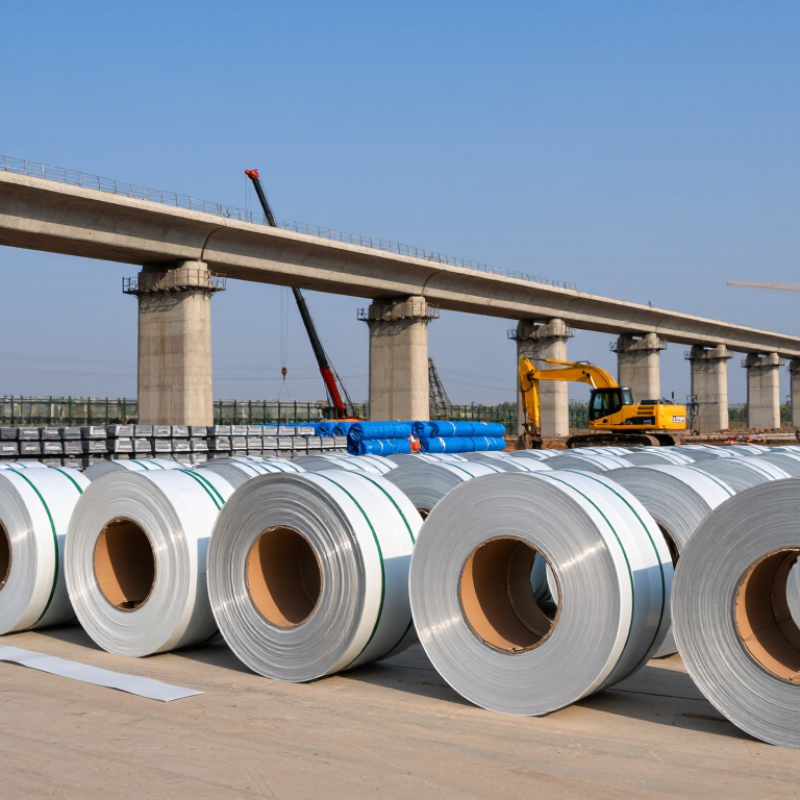
Geotextile tape is a reinforced adhesive strip designed to join, secure, or protect geotextile materials. Unlike ordinary packing tape, it is built for contact with soil, moisture, and construction stress. Its backing may use woven fabric, nonwoven fibers, or polymer film. The adhesive must remain stable during installation and service. It is not a universal repair strip. That distinction matters.
In road construction, workers use geotextile tape to hold fabric overlaps before covering them with aggregate. It can also reinforce seams in drainage layers, stabilize fabric edges, and reduce shifting around pipe trenches. On erosion-control slopes, tape helps position filter fabric while anchors and soil provide permanent support. Some products resist ultraviolet exposure and repeated wetting, but performance varies greatly. Tape should not replace designed stitching, mechanical fastening, or waterproof membranes when those systems are required.
Global buyers should examine tensile strength, peel adhesion, temperature range, roll dimensions, and storage conditions. Chemical compatibility with soil, cement dust, and drainage water deserves attention. A practical trial on the actual geotextile can reveal early lifting or residue. Small details matter. A specification may look complete yet omit aging data or installation limits. I would question any supplier claiming one tape suits every climate and substrate. Clear test reports, consistent batch quality, and traceable technical guidance support safer purchasing decisions.
Evaluating geotextile tape suppliers worldwide requires more than comparing unit prices. Grand View Research reports that the global geotextiles market is expected to grow at roughly 6% annually through 2030. This growth increases supplier competition, but it also creates uneven quality. A reliable supplier should provide batch numbers, production dates, material specifications, and traceable test records. A polished catalog is not proof.
Request tensile strength, elongation, peel adhesion, UV resistance, and water absorption data. Compare results with relevant ASTM or ISO testing methods, such as ASTM D4632 and ISO 10319. Ask whether testing occurs in-house or through an independent laboratory. The difference matters. Samples should be tested after heat, moisture, and outdoor exposure, not only when newly manufactured. Some buyers overlook storage conditions; damp warehouses can affect adhesive performance before shipment.
Review production capacity, inspection frequency, packaging, and export experience. Check whether the supplier can maintain the same width, thickness, and adhesive coating across repeated orders. Industry logistics reports continue to show that freight disruption and extended lead times remain practical sourcing risks. Therefore, confirm backup production plans and realistic delivery windows. Video audits help, but they are imperfect. An on-site inspection may reveal loose rolls, unclear labels, or inconsistent packaging. Ask for a small trial order before approving large quantities, especially when the tape will support drainage, filtration, or geomembrane installation.
Top 10 Geotextile Tape Suppliers for Global Buyers
Global demand for geotextile materials is expanding with road, drainage, and erosion-control projects. Grand View Research valued the global geotextiles market at about USD 7.1 billion in 2023. It projects a 6.1% compound annual growth rate through 2030. This growth makes supplier selection more important, especially for buyers managing projects across different climates.
The top 10 suppliers should be compared through evidence, not attractive catalogs. Check tensile strength, peel adhesion, backing material, roll length, and ultraviolet resistance. ASTM-based test reports help verify performance. ISO 9001 certification can support process consistency, but it does not replace product testing. Traceability matters. Ask for batch numbers, production dates, and storage guidance before ordering. A supplier with regional warehouses may reduce delays and moisture exposure during transport.
Smithers’ geosynthetics industry analysis highlights continued demand from infrastructure and drainage applications. Buyers should therefore request samples that match real site conditions, including wet concrete, dusty soil, and temperature changes. Fit beats fame. A ranking can still mislead when products are compared only by price. Some suppliers provide strong documentation but weak technical support. Others respond quickly but lack stable quality records. That contradiction deserves attention. Choose the supplier that can explain failure limits clearly, not merely promise long service life.
Anonymized supplier profiles organized by product capability, compliance readiness, and international purchasing requirements.
| Rank | Supplier Profile | Primary Material | Tape Type | Typical Width Range | Common Applications | Testing and Standards | Key Buyer Verification Points |
|---|---|---|---|---|---|---|---|
| 1 | Profile A High-volume woven tape producer |
Polypropylene (PP) | Woven reinforcement and seam tape | 50–150 mm | Geotextile joining, drainage layers, erosion-control systems | ISO 10319; ASTM D4595; width and mass checks | Production capacity, tensile strength by direction, roll length consistency |
| 2 | Profile B Heavy-duty industrial tape supplier |
High-tenacity polypropylene | Heavy woven structural tape | 75–200 mm | Geocontainers, reinforced liners, containment and civil works | ISO 10319; ASTM D4595; seam-strength testing | Load-bearing performance, UV-stabilizer documentation, batch traceability |
| 3 | Profile C Polyester-focused technical textile supplier |
Polyester (PET) | High-strength woven tape | 25–100 mm | Geogrid connections, soil reinforcement, engineered composite systems | ISO 10319; ISO 9862; dimensional stability testing | Elongation at break, hydrolysis resistance, compatibility with adjacent geosynthetics |
| 4 | Profile D Nonwoven bonding tape supplier |
Polypropylene or polyester staple fiber | Needle-punched or thermally bonded tape | 50–300 mm | Filtration, drainage, protective layers, localized repairs | ISO 9862; ISO 12956 where applicable; mass-per-area testing | Bond uniformity, thickness tolerance, permeability, resistance to installation damage |
| 5 | Profile E Coated geotextile tape specialist |
Woven PP or PET with polymer coating | Coated sealing and reinforcement tape | 50–200 mm | Water-control structures, pond liners, landfill and canal systems | ASTM D751 for coated fabrics; ISO 10319; peel and adhesion tests | Coating thickness, adhesion strength, chemical resistance, temperature range |
| 6 | Profile F Custom-width conversion supplier |
PP, PET, or polyethylene (PE) | Slit tape and narrow-width reinforcement tape | 20–100 mm | Edge reinforcement, geobag fabrication, bespoke panel assembly | ISO 10319; ASTM D4595; width and edge-finish inspection | Minimum order quantity, slit-edge quality, custom widths, packaging format |
| 7 | Profile G UV-stabilized outdoor tape supplier |
UV-stabilized polypropylene | Outdoor woven tie and reinforcement tape | 25–150 mm | Temporary erosion control, slope protection, exposed geosynthetic installations | ISO 4892-3 or equivalent accelerated weathering; ISO 10319 | Carbon-black or UV-additive declaration, retained strength after exposure |
| 8 | Profile H Thermal-lamination tape supplier |
Polypropylene or polyester | Heat-bondable composite tape | 50–250 mm | Factory fabrication of geotextile panels, composite drainage products | Peel strength; tensile testing; thermal-bond process validation | Activation temperature, bonding window, liner compatibility, production repeatability |
| 9 | Profile I Low-temperature installation supplier |
Flexible polypropylene or polyester blend | Cold-flexible reinforcement and repair tape | 50–150 mm | Road construction, winter installation, remote infrastructure projects | Low-temperature flexibility; ISO 10319; abrasion resistance | Flexibility below 0°C, handling performance, roll protection, storage requirements |
| 10 | Profile J Export-ready project supplier |
PP, PET, and PE options | Standard and customized geotextile tape formats | 25–300 mm | International civil engineering, mining, coastal and hydraulic projects | ISO 9001 quality system; ISO 10319; project-specific testing | Export packaging, documentation, Incoterms, lead time, sample approval process |
Supplier Comparison: Products, Quality, Capacity, and Service
The global geotextiles market is expanding with infrastructure, drainage, and erosion-control projects. MarketsandMarkets estimated the market at about USD 8.3 billion in 2023, with growth toward USD 11.2 billion by 2028. This demand makes supplier comparison more important than price ranking.
For ten shortlisted suppliers, product range should cover woven, nonwoven, coated, and reinforced geotextile tapes. Buyers should check tensile strength, elongation, peel adhesion, UV resistance, and thickness consistency. Laboratory reports should reference relevant ASTM or ISO test methods. A low-cost tape can fail at the seam. That creates expensive field repairs.
Production capacity needs practical evidence, not only a factory statement. Ask for monthly output, extrusion-line details, quality-control records, and backup production plans. Service quality also matters. Response time, sampling speed, packaging accuracy, and technical support often reveal operational maturity. The 2024 Grand View Research outlook also links geotextile demand with road construction and water-management investment, but market estimates vary between reports. That difference deserves attention. No supplier is perfect. Some provide excellent testing but limited customization. Others offer strong capacity yet weak documentation. I would require batch traceability, pre-shipment inspection, and clear claims procedures before approving a long-term order.
When comparing the top 10 geotextile tape suppliers, global buyers should examine more than price. Product performance depends on polymer type, tape width, tensile strength, and UV resistance. Ask for current technical datasheets and independent test reports. Samples should match the stated specification, not a special production batch.
Compliance requires careful documentation. Confirm material declarations, safety data, quality certificates, and destination-market requirements before placing an order. Customs descriptions must be accurate. Packaging should show batch numbers, dimensions, production dates, and storage guidance. A reliable supplier can explain testing methods clearly and provide traceable records. Still, certificates alone do not prove consistent factory control. Buyers should request recent inspection evidence and, when practical, arrange third-party checks.
Delivery planning deserves equal attention. Compare production lead times, minimum order quantities, port options, carton protection, and replacement procedures for damaged rolls. Include buffer time for seasonal congestion and customs reviews. Small details matter. A missed sailing can delay an entire construction phase.
Tips: Request three samples from different batches, then compare thickness, tear resistance, and winding quality. Use a written approval sheet before mass production. Confirm the agreed shipping term, insurance responsibility, and payment milestones in the contract. Some suppliers answer quickly but provide vague evidence; that is a warning sign. I would not ignore it.