China Top 10 Woven Membrane Manufacturers?
Woven Membrane is becoming more visible across filtration, separation, construction, and industrial textile applications. Yet the market term remains inconsistent. Some suppliers describe coated woven fabrics as membranes. Others mean porous woven polymer structures. This difference matters when comparing Chinese manufacturers.
Recent reports support the wider opportunity. MarketsandMarkets projects continued growth in the global membrane filtration market, driven by water reuse, stricter discharge standards, and industrial wastewater treatment. Grand View Research also identifies water treatment as a major membrane technology application. However, these reports rarely isolate Woven Membrane products. A precise “top 10” ranking therefore requires careful interpretation, not a simple sales list.
Professor Richard W. Baker, a widely cited membrane technology expert, wrote that “membrane technology is becoming increasingly important in the chemical and pharmaceutical industries.” His observation remains relevant for woven products, where pore size, tensile strength, coating adhesion, and chemical resistance determine real performance. A laboratory sample may look uniform under bright light. It can still fail after months of pressure, cleaning chemicals, or repeated folding.
This article evaluates China’s leading Woven Membrane manufacturers through practical criteria. These include material consistency, production capacity, testing equipment, customization ability, export experience, and after-sales support. Certifications also matter, but they should not replace independent performance data. A polished brochure is not proof.
The ranking may contain judgment calls. Product categories overlap, and public revenue data is limited. Readers should verify specifications directly before purchasing. Suppliers deserve comparison under the same conditions, including thickness, permeability, operating temperature, and expected service life.
What Are Woven Membranes and Where Are They Used?
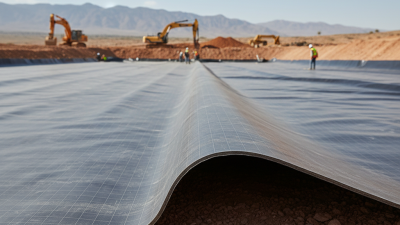
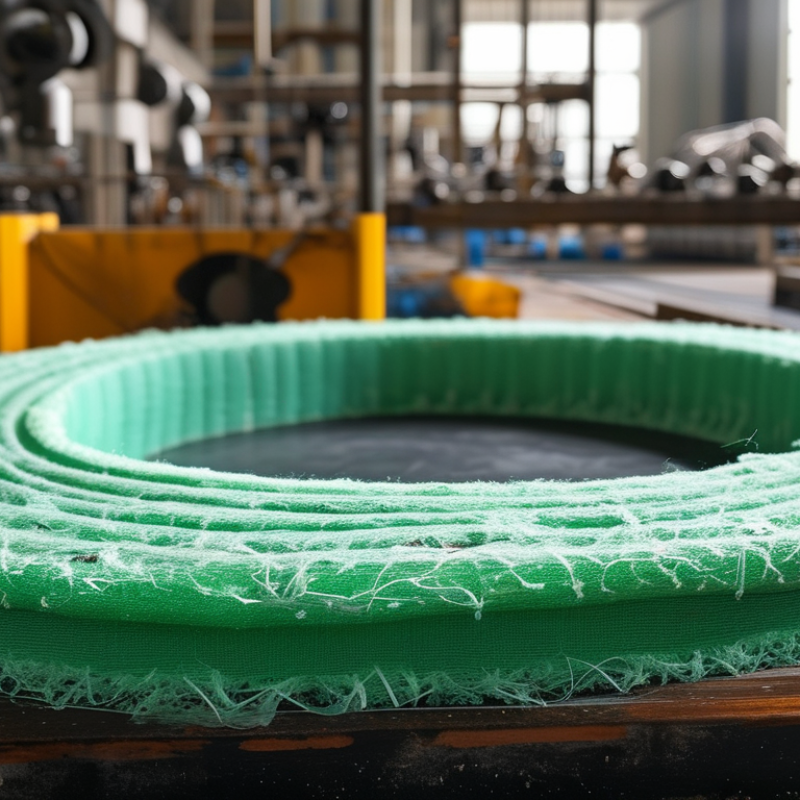
Woven membranes are engineered fabrics made by interlacing yarns, then coating or laminating them for protection. Common yarns include polyester, glass fiber, and aramid. Coatings may use PVC, PTFE, or silicone. The weave provides tensile strength, while the coating controls water resistance, air movement, light transmission, and chemical durability. In practical terms, the material feels flexible but behaves like a lightweight structural skin.
They appear in sports stadium roofs, warehouse canopies, transport shelters, agricultural buildings, and temporary exhibition spaces. Some woven membrane systems also support industrial filtration, where textile structures help separate solids from liquids or gases. Grand View Research reported that the global membrane filtration market was worth roughly USD 18 billion in 2023, with continued growth expected through 2030. MarketsandMarkets has also identified water treatment as a major demand area for membrane technologies. These figures cover several membrane types, not woven fabrics alone.
That distinction matters.
When comparing China’s top 10 woven membrane manufacturers, buyers should examine yarn strength, coating thickness, welding quality, fire performance, and outdoor aging data. Factory experience is useful, but test reports matter more. I would not accept a bright surface as proof of durability. Project location changes everything: coastal salt, intense ultraviolet exposure, snow loads, and repeated folding can produce very different results. Some specifications look impressive on paper. Real installation records can still reveal weaknesses.
How to Evaluate Woven Membrane Manufacturers in China
When evaluating woven membrane manufacturers in China, start with evidence, not polished catalogs.
Ask how long they have produced the exact membrane structure you need. A supplier may have decades in textiles but limited coating experience. Request sample rolls, production photos, and project references with verifiable contacts. Inspect yarn selection, weave density, coating uniformity, and edge treatment. Small defects often appear near seams. This is where practical experience matters.
Review the manufacturer’s quality controls in detail. Ask for test reports covering tensile strength, tear resistance, coating adhesion, dimensional stability, and weather exposure. Confirm testing methods, equipment calibration, and report dates. Reliable factories should provide batch records and clear material traceability.
Visit the production site if possible. Check clean storage areas, inspection stations, and rejected-material procedures.
A perfect sample can mislead. I have seen strong laboratory results fail to reflect inconsistent factory handling.
Communication also matters. Technical answers should be specific, not copied from a sales sheet.
Tips:
Compare at least three suppliers. Request identical samples. Test them independently. Clarify tolerances, packaging, lead times, and after-sales support before signing. Keep written records of every specification. If a manufacturer avoids questions, pause. A lower price is not useful when replacement rolls disrupt installation. Consider whether the factory can scale production without changing yarn, coating, or inspection standards. Ask for a controlled trial order first. Mistakes can still happen, so build inspection points into the purchasing plan.
China’s Top 10 Woven Membrane Manufacturers
China’s Top 10 Woven Membrane Manufacturers are often judged by more than production scale. Reliable suppliers control yarn selection, weaving density, coating thickness, and final inspection. In practical sourcing work, these details affect tear resistance, dimensional stability, and service life. A clean factory floor helps, but documented testing matters more.
The strongest manufacturers usually support several material structures, including polyester, polyethylene, and coated technical fabrics. They can provide tensile strength data, hydrostatic pressure results, UV exposure records, and seam performance reports. Their laboratories should test samples before mass production. Ask for batch traceability. It reveals whether quality remains stable across different orders.
Not every published ranking deserves confidence. Some companies share impressive figures without explaining test methods or sample conditions. That weakness should be questioned. Buyers should compare independent inspection, production capacity, delivery records, and technical support. Factory visits can expose storage problems, uneven coating, or poor edge finishing. Small defects become expensive later. The top ten should therefore be viewed as a practical shortlist, not a permanent order. Audits, trial production, and clear specifications still matter.
Products, Technologies, and Industries Served by the Top Manufacturers
China’s top woven membrane manufacturers supply coated polyester, PTFE-glass, and high-strength architectural fabric systems. Their products include roofing membranes, façade panels, tensile canopies, and modular shelters. Some also provide steel fittings, edge cables, welding, installation drawings, and maintenance guidance. This broader service matters. A membrane is not only fabric.
Experienced factories use computer-controlled cutting, high-frequency welding, and digital form-finding for complex roofs. Production teams inspect coating thickness, seam strength, color consistency, and dimensional accuracy. PTFE-glass fabrics suit long-life public buildings and transport terminals. PVC-coated polyester often supports sports halls, warehouses, and temporary event structures. ETFE cushion systems serve lightweight façades and daylight-focused enclosures. However, they require different engineering. Wind, snow, ultraviolet exposure, drainage, and fire performance need site-specific checks. Testing reports help. Field experience still reveals problems.
These manufacturers serve stadiums, airports, exhibition centers, agricultural facilities, commercial atriums, and outdoor leisure spaces. They often coordinate with architects, structural engineers, contractors, and local inspectors. Reliable suppliers explain load assumptions, warranty limits, cleaning methods, and replacement procedures before production. Some quotations look attractive. Yet cheaper fabric may increase welding repairs, glare, or cleaning costs later. Buyers should compare samples, test data, project references, and after-sales response. Even capable factories can miss details when site measurements change. Independent review remains worthwhile.
How to Select the Right Chinese Woven Membrane Manufacturer
Selecting a Chinese woven membrane manufacturer requires more than comparing export prices.
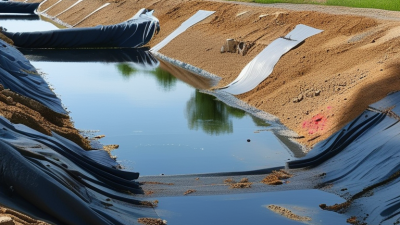
Grand View Research valued the global geotextiles market at approximately USD 8.4 billion in 2023. Demand is rising, but product quality remains uneven. Buyers should define the membrane’s use, soil conditions, temperature range, and expected service life before requesting quotations.
Ask for measurable evidence. Review tensile strength, puncture resistance, mass per unit area, pore size, seam performance, and ultraviolet resistance. Request recent third-party test reports, not only internal certificates. The supplier should identify test methods, laboratory names, production dates, and batch numbers. MarketsandMarkets forecasts continued growth in the geosynthetics sector through 2028, increasing pressure on factories to scale quickly. Fast expansion can weaken process control.
Visit the production site, physically if possible, or use a qualified auditor. Check raw-material storage, weaving tension, coating uniformity, roll inspection, and packaging protection. Confirm whether the quoted specification matches the delivered sample. A low price may reflect thinner material or inconsistent polymer content. I have seen purchasing teams overlook this detail. It later caused installation delays. No checklist is perfect. Leave room for independent retesting after shipment, especially for large infrastructure projects. Reliable manufacturers explain failures openly, maintain traceable records, and provide clear corrective actions instead of promising flawless performance.